Inner Mongolian ‘Men Mian’ Noodles
焖面
English: Inner Mongolian Braised Noodles
Chinese: 焖面
Pinyin:men mian
Literal: Braised/covered pot noodles
My favourite restaurant in Beijing was a smoky, steamy, noisy space above a bank, that was almost impossible to find and always packed with Inner Mongolians coming to eat the best men mian in the city. Unfortunately, it didn’t make it through the Covid years, but it will always be in my memory.
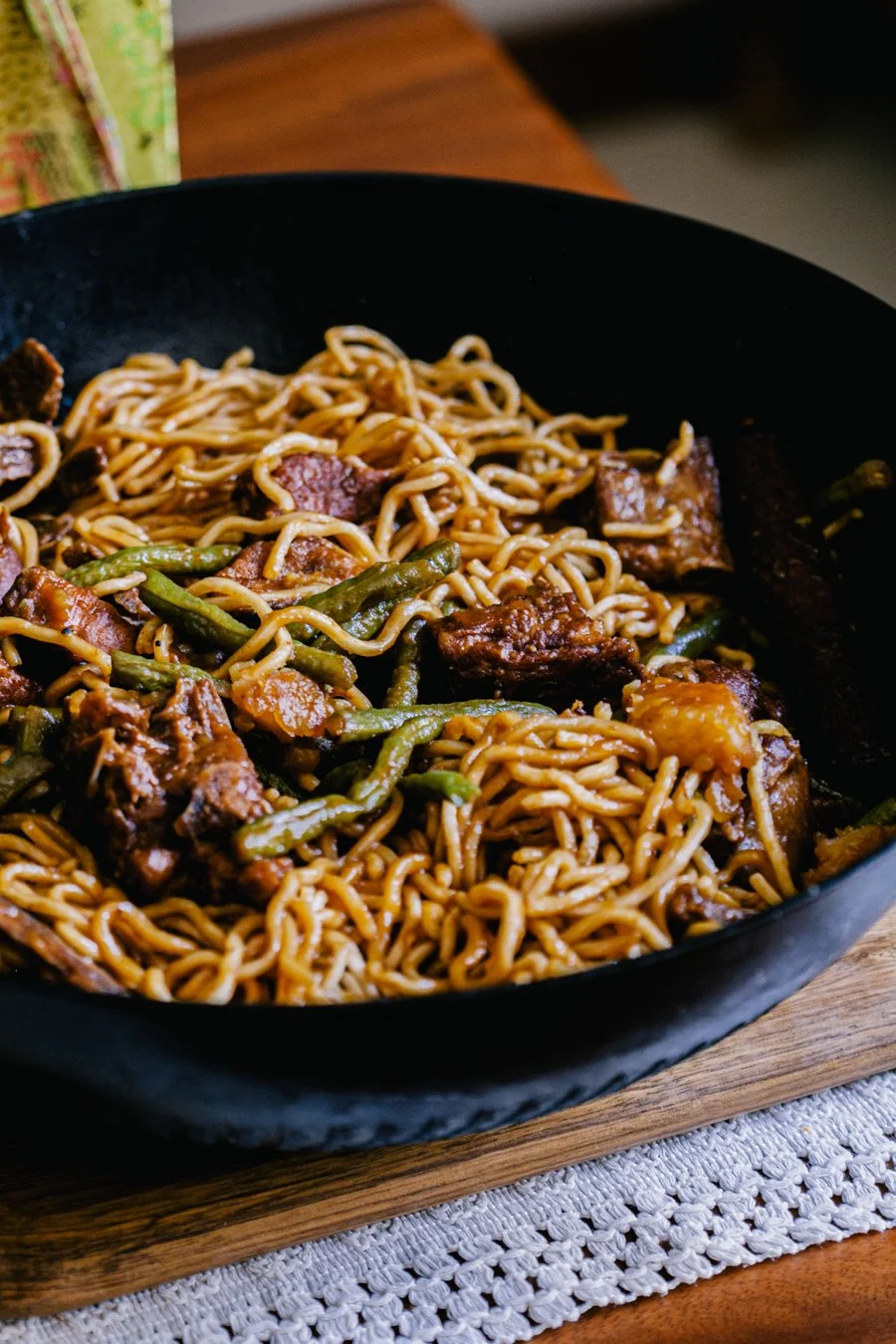
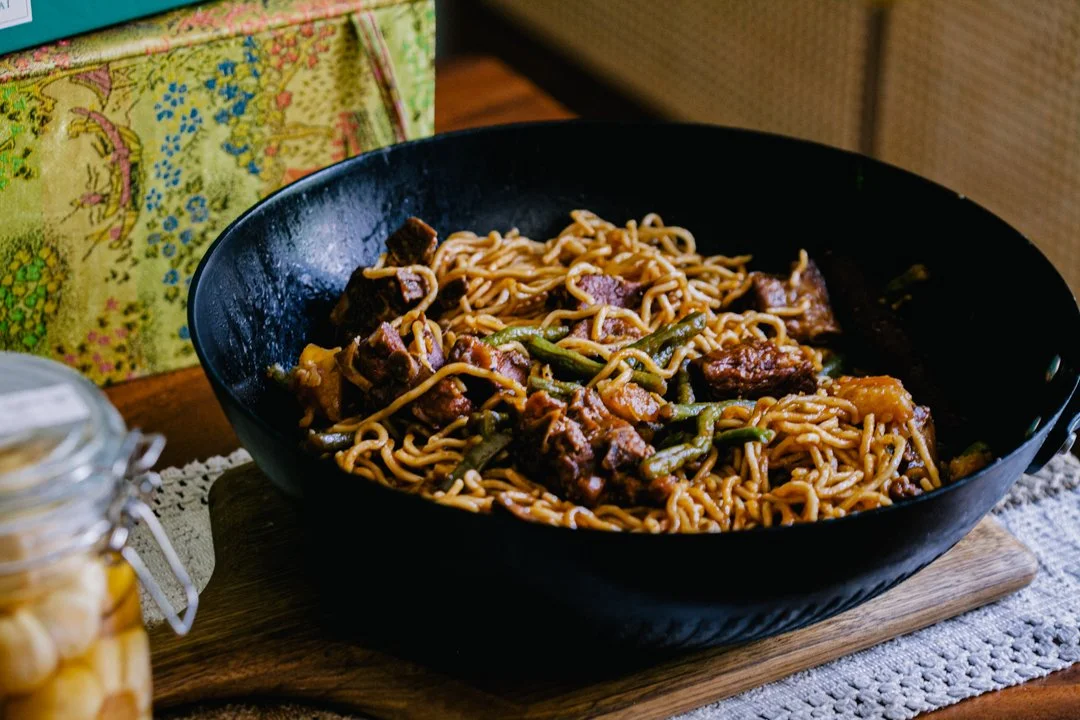
Today, men mian isn’t an easy dish to find, even in Beijing. It’s a true Inner Mongolian classic: a rich, meaty sauce is braised for hours before fresh noodles are laid on top. The wok is then sealed with a lid, allowing the noodles to steam gently, absorbing the deep flavours of the braise below. Steaming gives the noodles a chewy texture, and because they soak up just enough of the sauce without becoming wet, every bite is concentrated and intensely satisfying.
Many recipes treat men mian as just another noodle dish, but it’s something entirely unique, capturing Inner Mongolia’s love for chunks of meat and hearty carbs. If I could choose only one noodle dish from Northern China to eat for the rest of my life, this may well be it.
Serves 2-3
Ingredients
For the ribs & braise
700g-1kg pork spare ribs (cut into 2-inch pieces)
4 slices ginger - no need to peel
4 cloves garlic - smashed
2 star anise
1 small cinnamon stick
2 tbsp Shaoxing wine
1 tbsp light soy sauce
2 tbsp dark soy sauce
1 tsp sugar (or rock sugar)
800ml - 1 litre (3 to 4 cups) of hot water or pork broth
For the vegetables
2 medium potatoes - peeled and cut into 3-4cm chunks
250 g green beans, snapped into 2-inch lengths
For the noodles
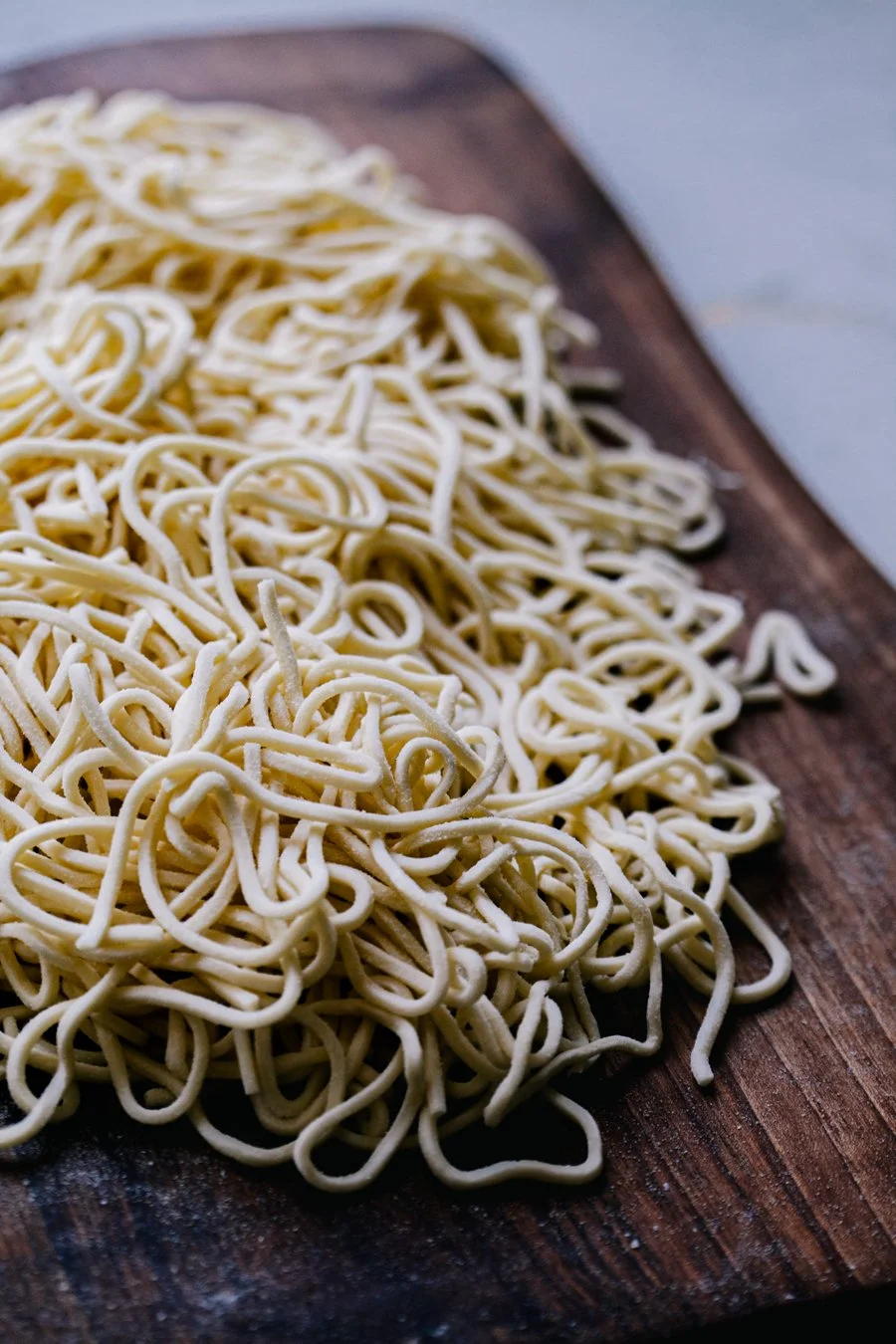
400-500g fresh wheat noodles
Note: Dried noodles will not work for this recipe, so if you cannot find fresh, make your own with this recipe.
Method
Place the rib pieces in a pot of cold water. Bring to a boil and let them boil for 2–3 minutes. Skim off any scum that rises to the surface. Drain, rinse the ribs clean under warm water, and pat them completely dry with paper towels. Note, they have to be completely dry otherwise they won’t brown.
Heat a wok over medium heat (make sure your wok or pan has a tight-fitting lid for later). Add 2-3 tablespoons of oil and then add the ribs and fry them until they are deeply golden-brown on all sides—about 5–7 minutes.
Push the ribs to one side, toss in the ginger, garlic, star anise, and cinnamon. Fry for 30 seconds until fragrant. Add the Shaoxing wine, light soy, dark soy, and sugar. Stir everything well, then pour in the water or stock. Bring to the boil, then reduce the heat to low, cover and simmer for 40 minutes. You want the ribs to be tender, but not falling off the bone.
By this point the liquid should have reduced by a third. Add the potato chunks and simmer uncovered for 20 minutes or until the potatoes are soft. Add the beans and and cook for another 5-10 minutes.
This is the crucial step to men mian. Make sure the liquid level is just below the top of the vegetables—you should see the liquid peeking through, but the vegetables should be high enough that the noodles can rest on them. Now, lay the fresh raw noodles evenly over the top of the vegetables and ribs. Do not stir them into the liquid! Cover the pot with the lid, turn the heat to low, and let them steam for 12-15 minutes. Do not lift the lid during this time.
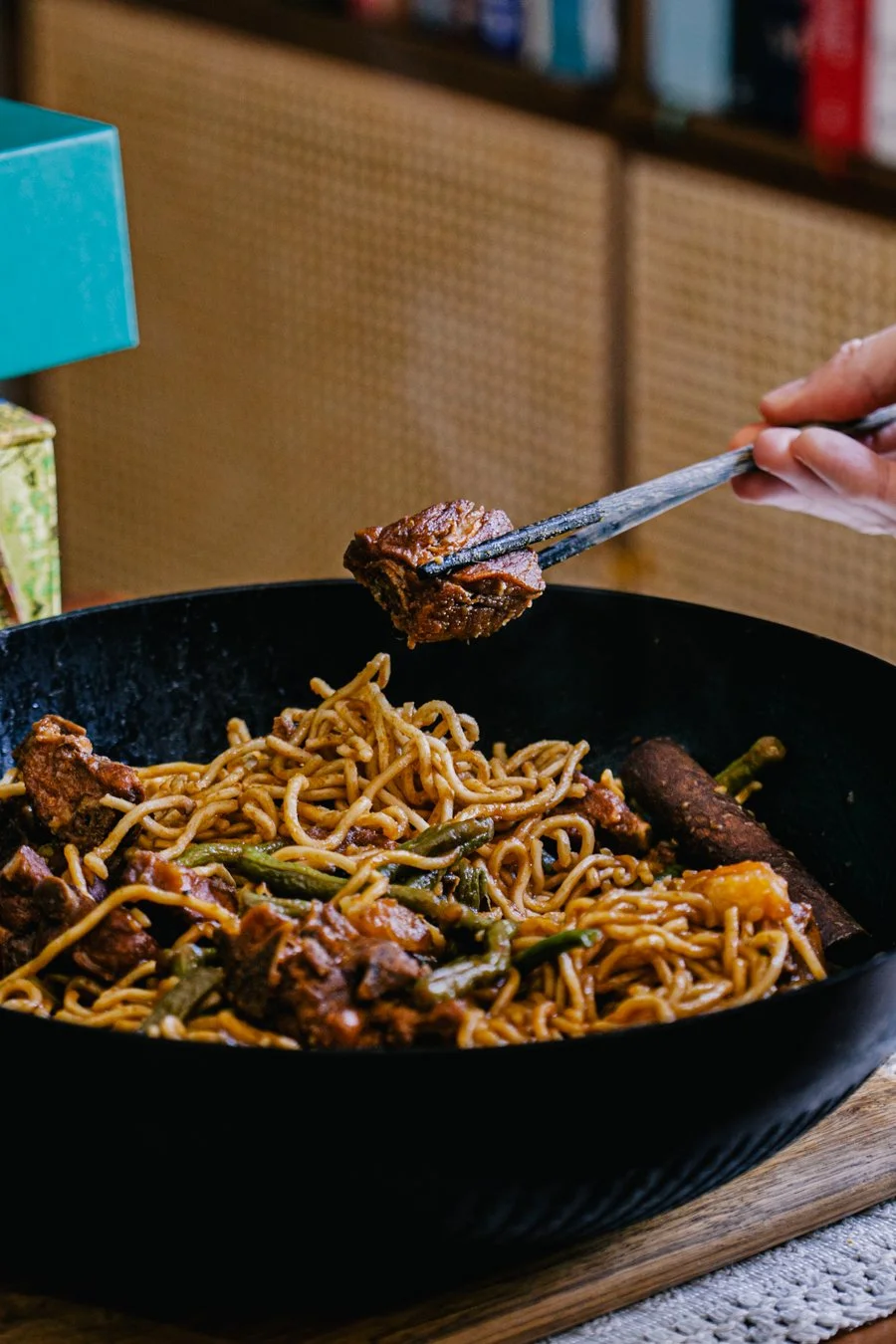
Turn off the heat and lift the lid. Use two forks or chopsticks to gently fluff the noodles and toss together with the vegetables, ribs and any sauce. The steam will have cooked the noodles and they will have absorbed that rich broth.