
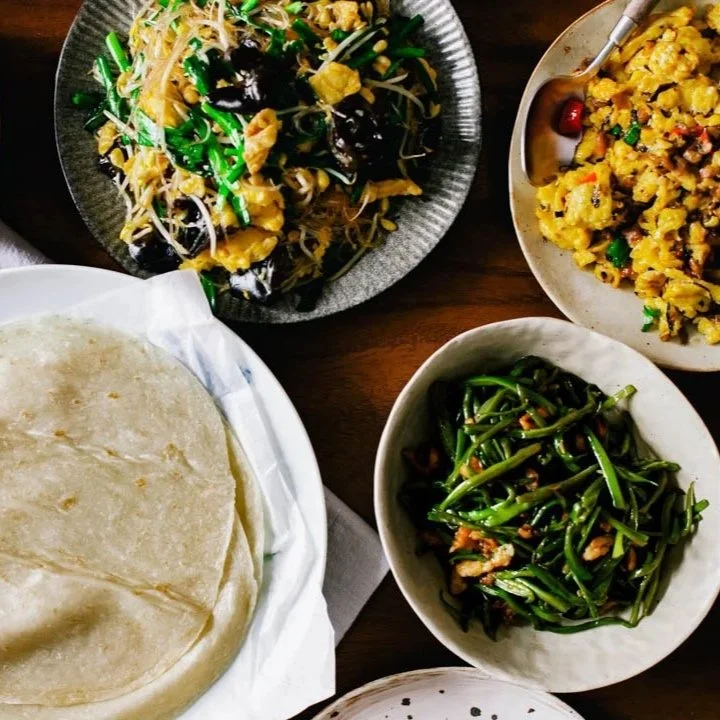
How to Make Beijing-Style Spring Rolls (Chun Bing) - A Complete Chinese Pancake Meal
A chun bing (or Spring Roll) meal is a distinctly Beijing way to eat. It’s a long way from the deep-fried spring rolls we all know in the West. Instead, the spring rolls are served as flat steamed pancakes to guests who then stuff them with an array of stuffings from braised meats to cold cuts to stir-fries or veggies. In this post, I’ll teach you exactly how things are done Beijing-style so you can make your own easy Beijing chun bing meal.
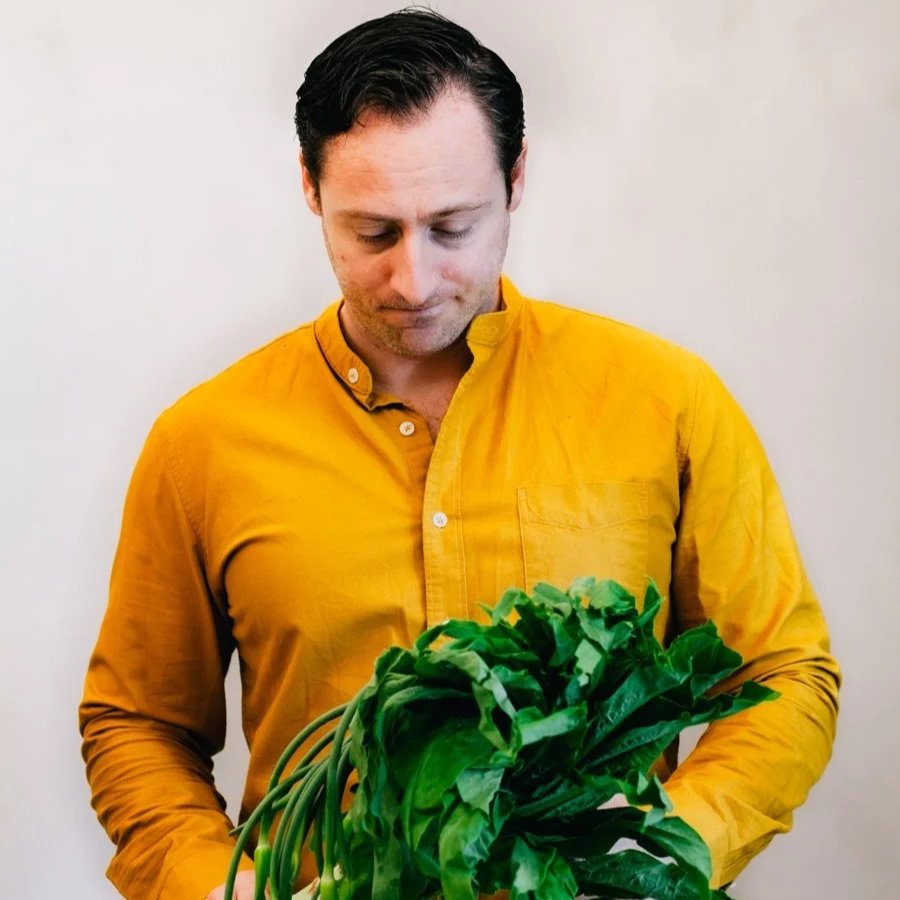
Ingredients I Didn’t Know Before Moving to China
When I first moved to China, any trip to a wet market was inspiring, there are hundreds of raw ingredients that I'd never come across in the UK - from the thousands of varieties of mushrooms, to unique vegetables and fruit. In this post I share the ingredients I didn't know when I first moved to Beijing ten years ago.
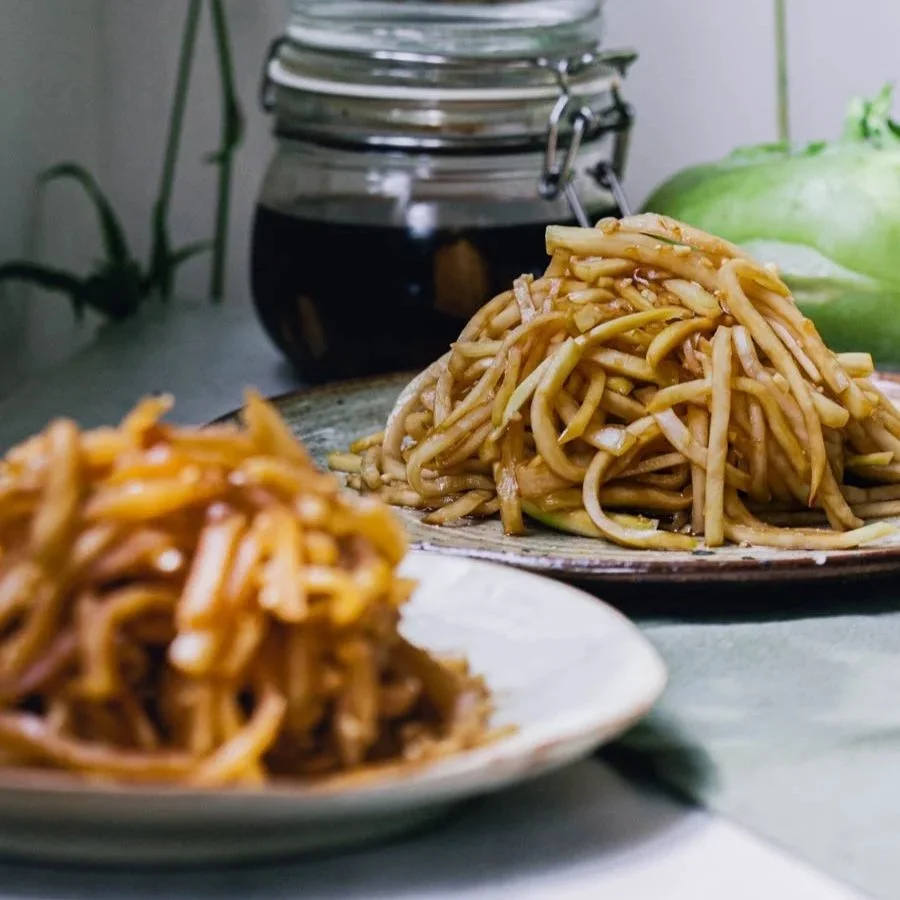
12 Tips from A Year of Newsletters
In July 2025, I started my Tea & Oranges’ monthly newsletter. A super short, 5-minute wrap-up of what I had been up to over the past month. Each month I present a quick tip a quick tip I’ve picked up from the Chinese kitchen, and pick the best dish I ate that month and share what I am reading. This week, I compile all the tips from the last year.
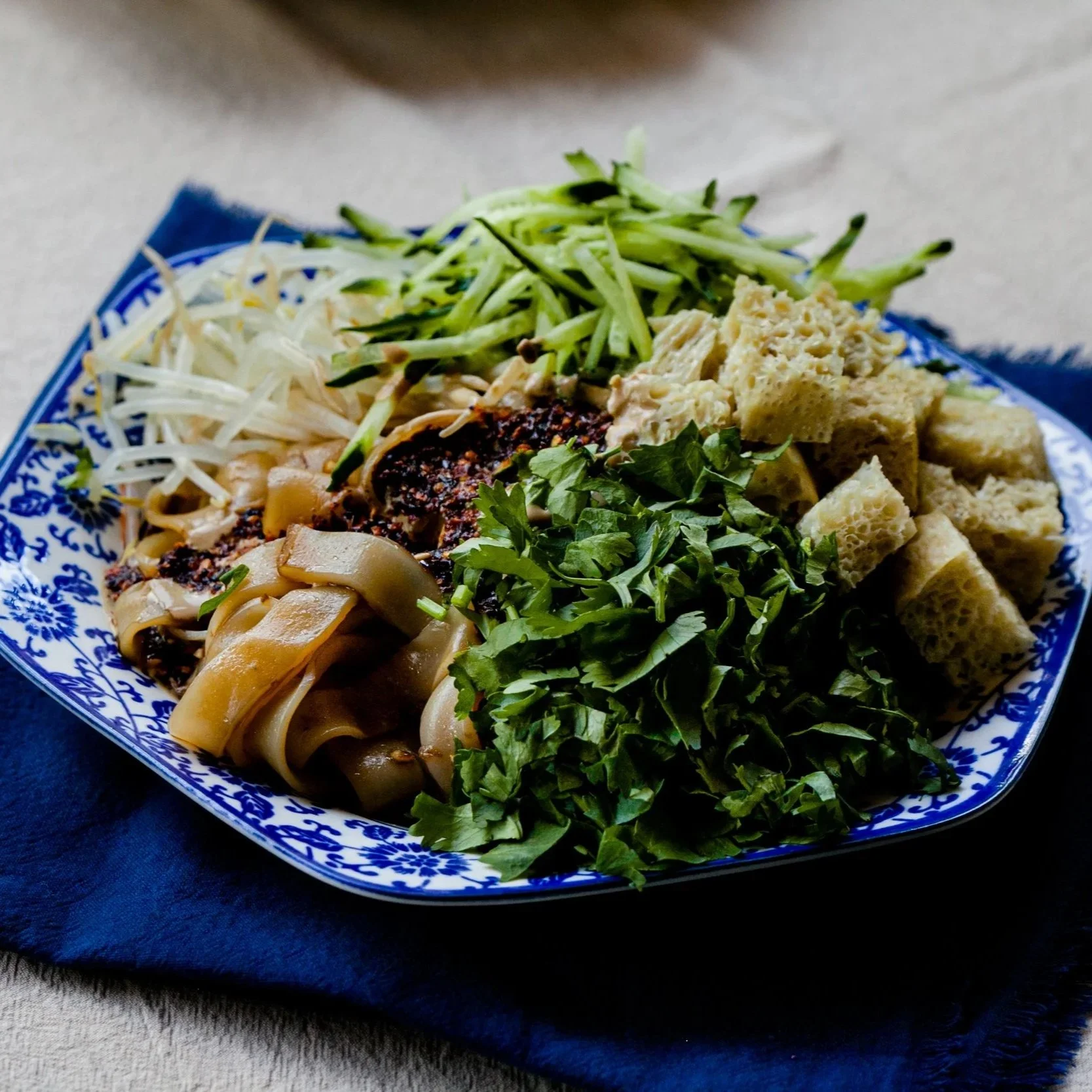
What is Liangpi? Understanding China's "Cold Skin Noodles"
Liangpi is not one dish but a family of foods found across Northern China. It includes everything from wheat-based noodles made by washing dough to rice sheets steamed from finely ground rice batter, from translucent ribbons of potato starch to wobbly pea jelly dressed in spicy sauce.
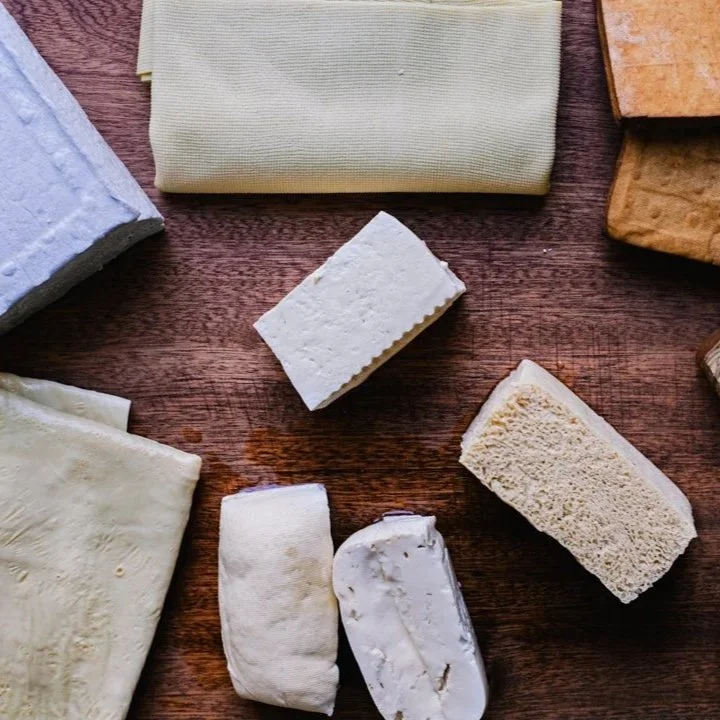
Chinese Tofu Explained: Types, Textures & How to Use Them
The soybean is a shape-shifter; a vegetable with more tricks up its sleeve than almost any other. It gives us milk, sauces, pastes, fragile skins, springy knots, puffs that collapse in a broth, funky fermented bricks, and a hundred textures in between. In this guide, I’ll explore the most common types of tofu in China.
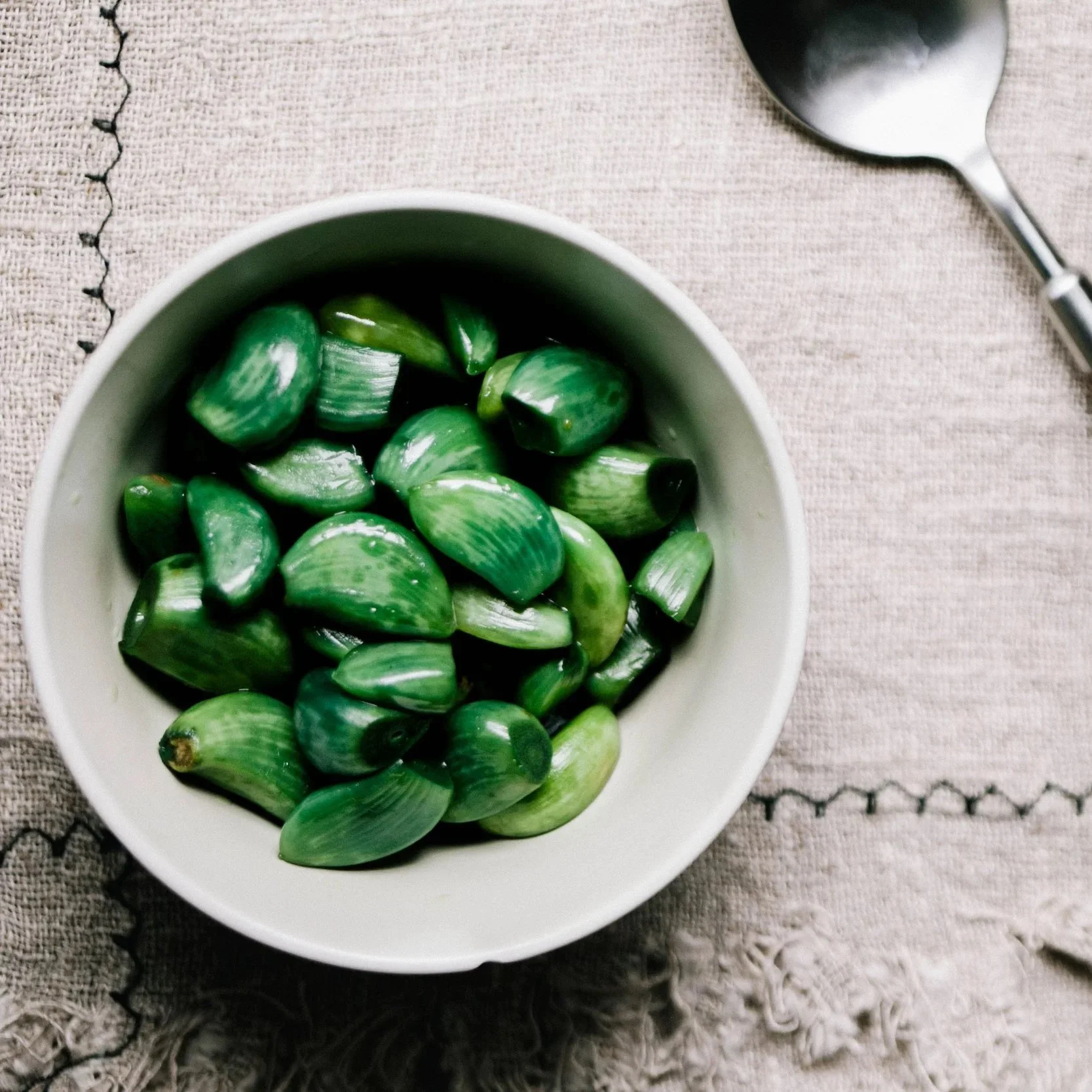
Fermented Foods of Northern China
Fermented foods are having a moment. It was Sandor Katz’s book The Art of Fermentation that opened my eyes to the power of pickles. More recently, epidemiologist Tim Spector has been pushing it forward, and helping to bring the importance of the gut microbiome into mainstream conversation. However, if you really want to know about ferments, China is the place to look. For thousands of years, this cuisine has relied on fermentation. Long before refrigeration, fermentation was both necessity and craft: a way to preserve vegetables through bitter winters, to coax flavour from humble grains and beans, and to transform simple ingredients into something deeper and more complex.

Gansu: The Forgotten Silk Road Cuisine
Gansu’s cuisine is one of the most distinctive in Northern China, shaped heavily by Hui Muslim communities rather than the Uyghur culture more commonly associated with northwestern food. Pork is largely absent. Instead, beef and lamb dominate. Wheat is king. Chillies are used, but sparingly compared to neighbouring Shaanxi. Flavour comes from clarity, fermentation, spice blends, and exceptional technique.

10 Essential Tips for Cooking Chinese Food at Home
Recently I was reading Meera Sodha’s Fresh India, where she shares “Ten Ways to Raise Your Game in the Kitchen” for Indian cooking. It’s a brilliant guide for anyone starting their journey, and it got me thinking: Chinese food deserves its own version.

20 Store Cupboard Essentials for Northern Chinese Cuisine
Looking at the recipe lists for Chinese food, you might easily be convinced you need a pantry the size of a small restaurant to get started with this cuisine. However, I’ve stripped it right back to the 20 essentials you need for Northern Chinese food.

Huǒ |火 | Fire
Explore the powerful role of fire in Northern Chinese meat cookery, from smoking and roasting to braising and stir-frying. Learn how traditional techniques reveal the region’s resourcefulness and flavor philosophy.

Ròu | 肉 | Meat
Discover the rich history of meat in Northern China — from Muslim influences and the rise of lamb, to the impact of the Yuan Dynasty and beyond. This deep dive explores how regional, religious, and historical forces shaped a meat-loving culture.
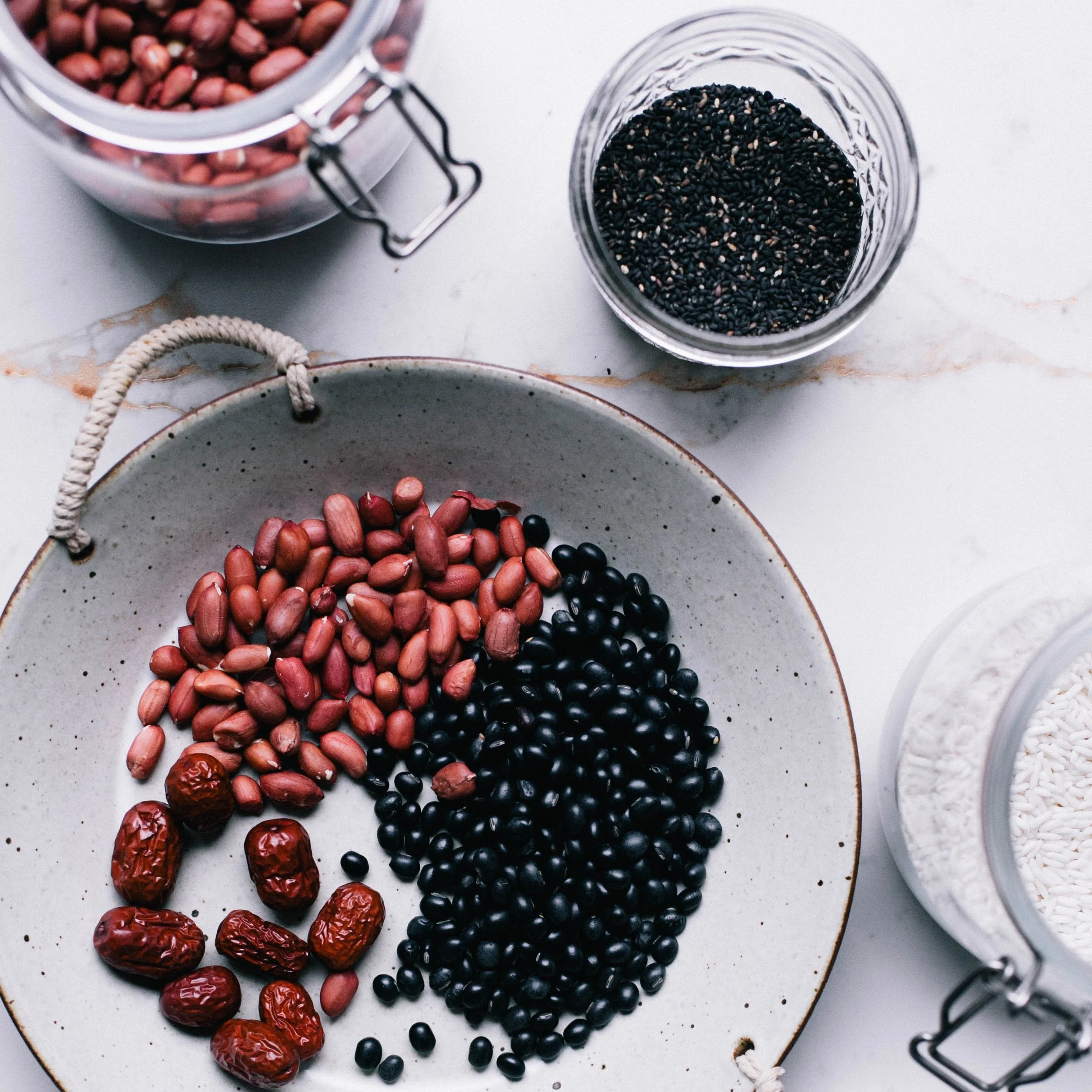
How to Cook a Chinese Meal
Cooking Chinese food can be overwhelming at first. It begins with a long shopping list of unfamiliar bottles, pastes, and vegetables, a trip to the Chinese supermarket, and hunting down ingredients often labeled without English. If you manage to get this far, the next challenge is adapting to a completely different cooking approach. And we haven’t even got to the kitchen yet.

Explained: Ginseng
Ginseng is known as the 'king of herbs' in Traditional Chinese Medicine (TCM). In this explainer, we'll look at ginseng's health properties and how to use it in cooking.

Explained: Wheat Gluten
Wheat Gluten, known as mian jin in Chinese - what is it exactly, how is it made, and how to cook with it? In this explainer, I run though the essentials.

The Past and Future of Lapsang Souchong
Lapsang Souchong (Zhengshan Xiaozhong) is beloved among many tea fanatics in English, but in China, it’s virtually unheard of. Tea Masters in the know scoff at such an adulterated tea. Lapsang Souchong is a Chinese black tea, smoked over Chinese Red Pine leaves until the flavour resembles a peaty Islay whisky more than a delicate tea.

Xinjiang - My Best Food Discoveries
There is so much more to Xinjiang food than lamb and naan. I travelled to the Western province to explore everything on offer, from da pan ji (big plate chicken) to fresh yogurt to pilafs and apricot coffee.
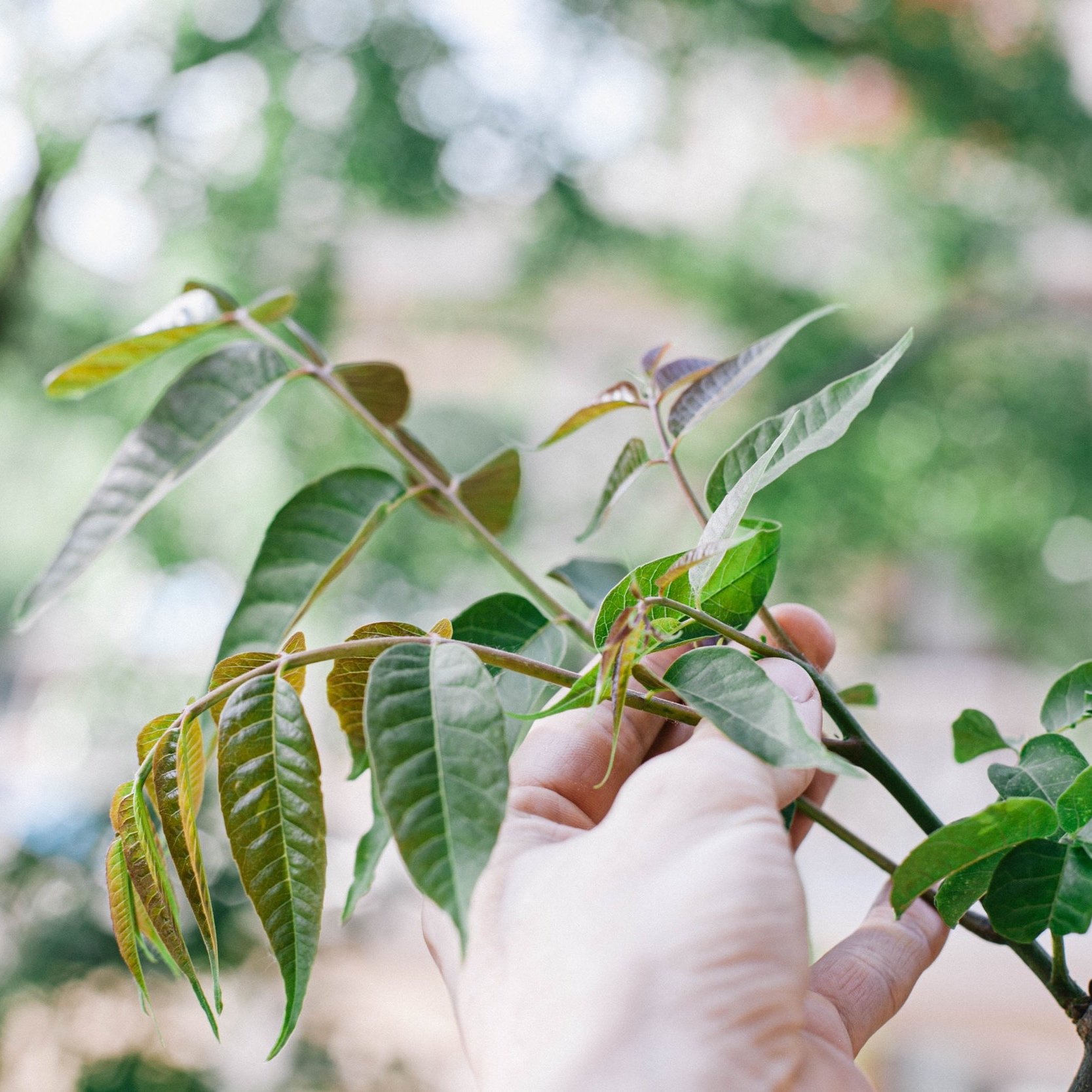
Picking Xiangchun: A May Holiday Tradition
The season for Chinese Toon (or Xiangchun as it’s known in China) is short. The first shoots arrive in early April, and by May, they’re too big and no longer tender. Xiangchun is the only tree in Northern Asian with edible leaves, and thus, the arrival of the shoots in Beijing is one to be celebrated, marking the end of cold weather, as the city bursts into life.

The Three, Five, Seven or Eight Cuisines of China
More often than not we tend to discuss ‘Chinese food’ as one cuisine. But with a country the size of Europe, it seems obvious that Chinese food is varied and diverse. Indeed, depending on who you ask, there are three, five, seven or eight cuisines of China (and many more if you ask me).

Why China Uses Chopsticks
Why does China use chopsticks and other utensils completely different from the West? It all comes down to fire. Fire is fundamental to cooking, but creating that fire was not always as easy for China as it was for other countries.

A Simple Guide to Chinese Alcohol: Baijiu & Moutai
Chinese alcohol is largely unknown in the West, and it’s almost impossible to know where to start. In this guide, we unpack the world of baijiu and the importance of Moutai in China.