
Chinese Tofu Explained: Types, Textures & How to Use Them
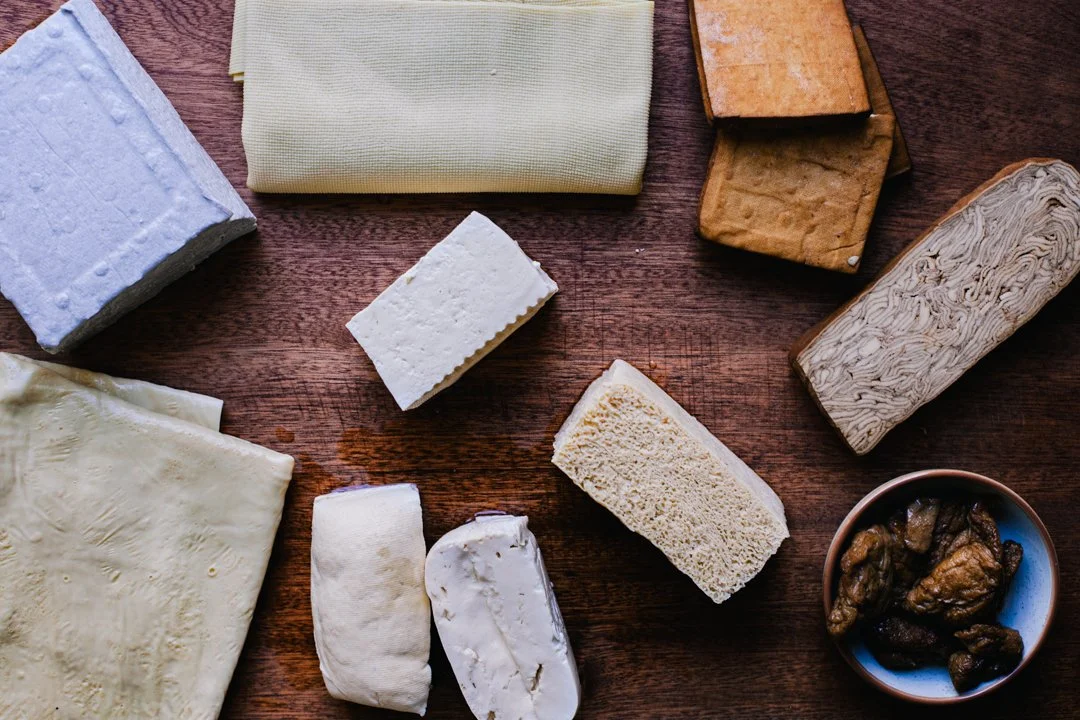
Before I moved to China, my only brush with tofu came via an Anna Jones recipe, asking me to pan-fried a bit of the stuff. I hit the supermarket (there were no Asian grocers), and found a cardboard UHT-milk-style packet silken tofu. At home, I tore into the stubborn box, mangling the delicate block inside, and watched it plop into the pan, turning to instant mush.
I had no idea there were different types of tofu, how to use it, or even what it was. I was supposed to use a block of firm tofu, not that any supermarket stocked that anyway.
So when I arrived in China, tofu was a mystery but quickly became an obsession. My first year was spent pointing at ingredients in my dishes, asking, What’s this? and getting tofu as the answer, over and over. At first, I thought friends were using tofu as a reply when they didn’t know the English. It seemed like half the things I asked about couldn’t possibly be the same ingredient: some chewy, some paper-thin, some custard-soft, in shades of white, grey, green or black. But they were. All of them tofu. China, I learned, is home to more kinds of tofu - and more soy-based products - than anywhere else on earth.
The Many Shapes of the Soybean
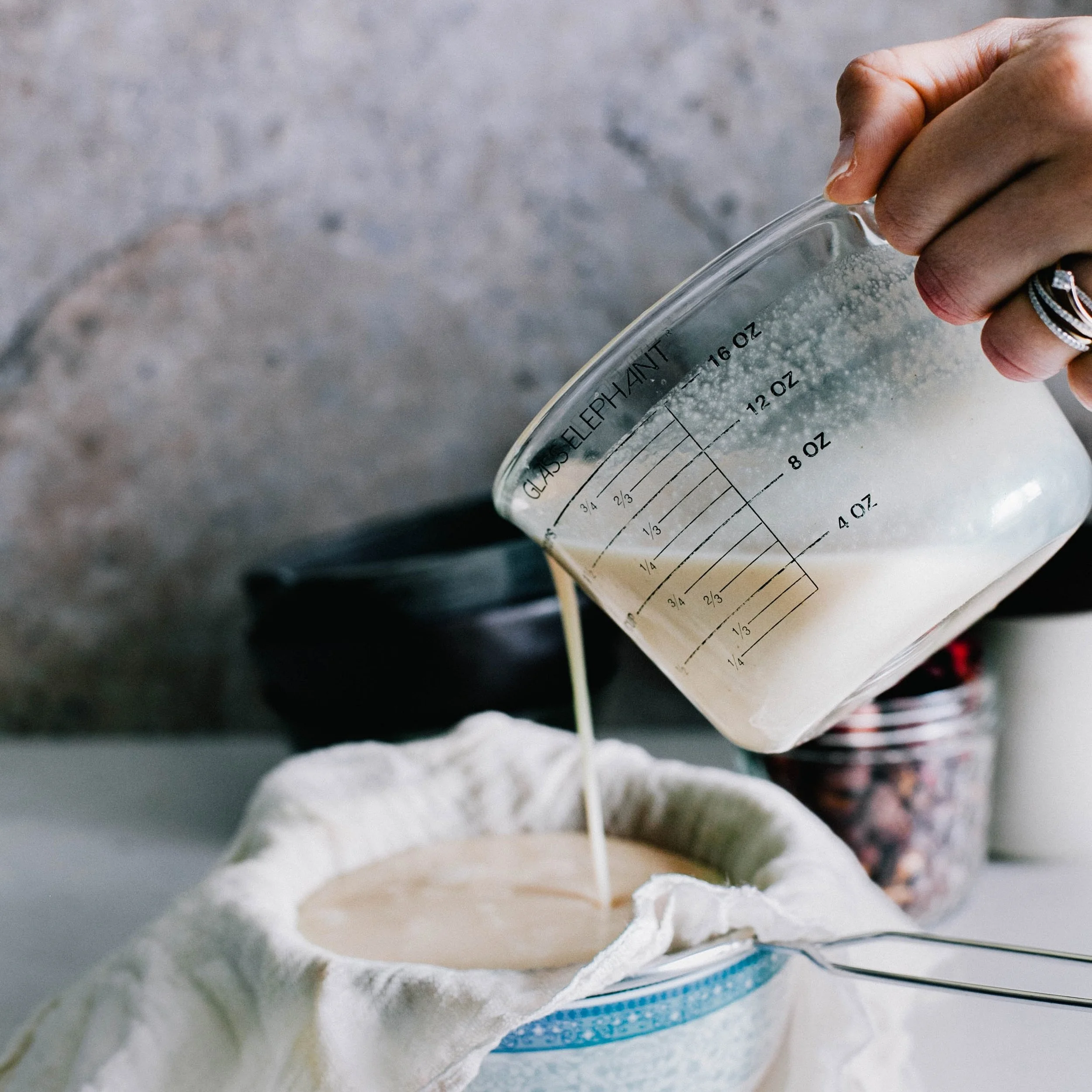
The soybean is a shape-shifter, a vegetable with more tricks up its sleeve than almost any other. It gives us milk, sauces, pastes, fragile skins, springy knots, puffs that collapse in a broth, funky fermented bricks, and a hundred textures in between.
Tofu is often called Asia’s answer to cheese, but really it is cheese, just made from soy milk, not animal milk. Both begin the same way: add a coagulant to milk and let the curds separate. For cheese, it’s rennet. For tofu, calcium sulfate (gypsum) or magnesium chloride (nigari) usually do the job.
For anyone starting out in Chinese cooking, one recipe might call for firm, another for Northern style, another for tofu skin, tofu knots, smoked or puffs. It’s easy to get confused between the difference. This guide is here to help.
I’ve divided the world of tofu into four parts: Fresh Tofu, Tofu Products, Fermented & Aged Tofu, and Speciality Tofus.
FRESH TOFU
Silken Tofu | 嫩豆腐 | nendoufu
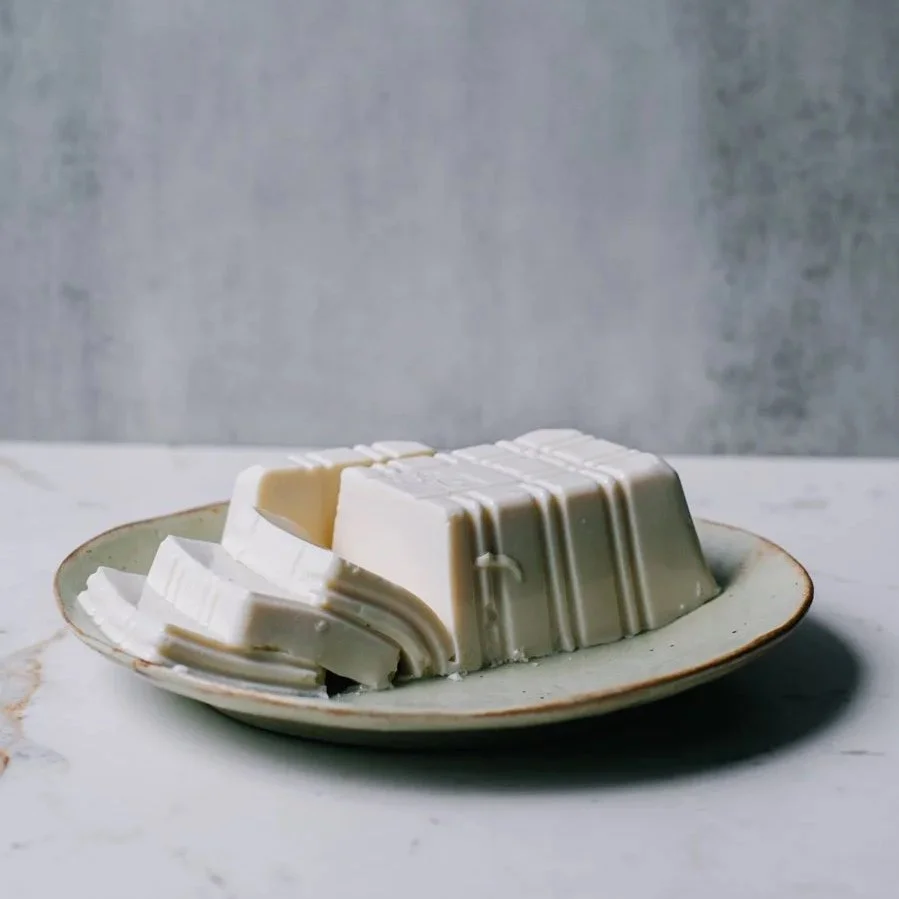
Silken tofu is the most delicate member of the tofu family - soft and wobbly with the texture of a underset crème caramel. Its flavour is mild and milky, its colour a clean, opaque white. Unlike firmer tofus, silken tofu is not pressed or drained; it sets directly in its container, which gives it that smooth, custard-like texture. It needs treating as carefully as an overfilled water-ballon if you want it to remain in one piece. In Northern Chinese cooking, silken tofu often appears chilled with a simple dressing of soy sauce, vinegar, and spring onions; paired with punchier flavours like century eggs, garlic, or chilli oil; or slipped gently into soups, where it turns silky but holds its shape if handled with care.
Soft Tofu | 软豆腐 | ruan doufu
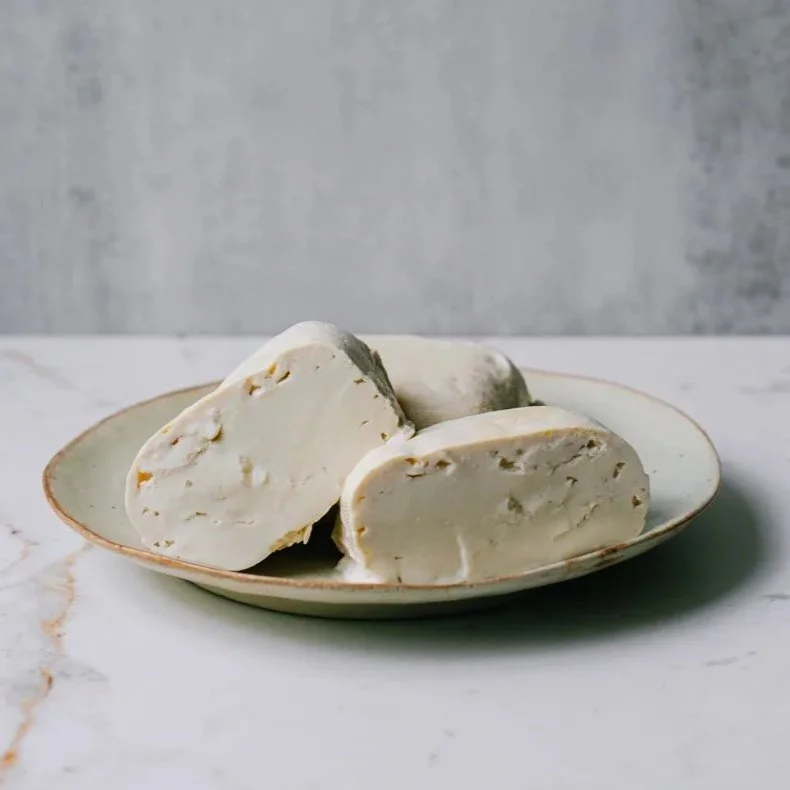
More commonly labeled as ‘southern tofu’ (南豆腐), soft tofu sits halfway between silken tofu and the firmer styles. It’s lightly pressed to remove some of the water, which gives it a little more structure but not quite as smooth and creamy as silken. It still breaks easily but stands up to gentle cooking. Soft tofu is ideal for soups and stews where the tofu is ladled, not tossed, giving you creamy pieces that melt into the background rather than chew.
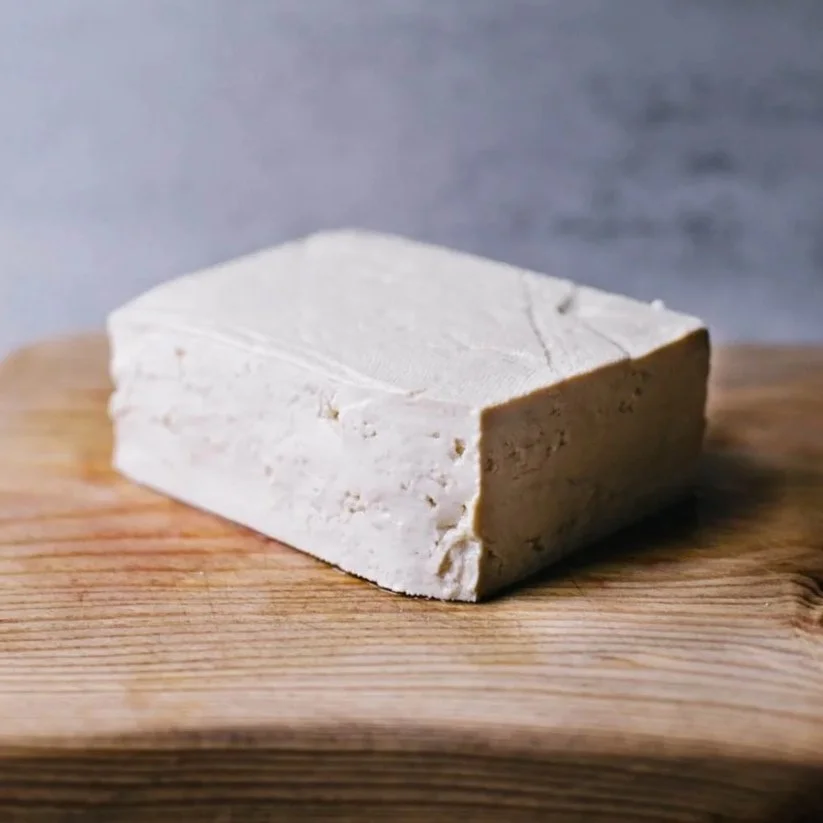
Firm Tofu | 老豆腐 / 北豆腐 | lao doufu / bei doufu
The most commonly used tofu in Northern China (if not all of China). This is the tofu you’ll find in braised tofu dishes of the North, the classic Sichuan dish mapo doufu or pan-fried tofu dishes. It is pressed for longer than soft tofu, loosing more water, and giving it a denser texture. It’s referred to as North Tofu (北豆腐) or Old Tofu (老豆腐)- distinguishing it from the ‘southern’ (softer) variety mentioned above. Because of its firmer and springier texture, it’s perhaps the most versatile tofu: it can take a gentle stir-fry, a simmer, pan-frying or deep-frying all without loosing its shape. If a recipe asks for ‘tofu’, it’s likely firm you’ll need.
A Note on Extra-Firm Tofu | 硬豆腐 | ying doufu
Tofu firmness can feel like a rabbit hole. One brand’s firm might be another’s extra firm, or even someone else’s medium. There’s no universal standard, thus you’ll find a whole range of tofus with descriptors from ultra-soft to semi-firm to regular to super-firm to super-pressed. The firmness refers simple to how long the tofu has been pressed. The longer and harder the pressing, the more water is expelled. Less water means a denser texture (and a higher protein content by weight). The more aggressive your cooking technique, the firmer tofu you will probably want. Silken works best without heat, firm works for braises, extra-firm can take a stir-fry or deep-fry. The truth is, there’s often little difference between firm and extra-firm tofu, it’s more of a house-style. In most home cooking, they can be used interchangeably, so it’s best to buy whatever your local shop carries rather than hunt for a specific label.
PRESSED TOFU
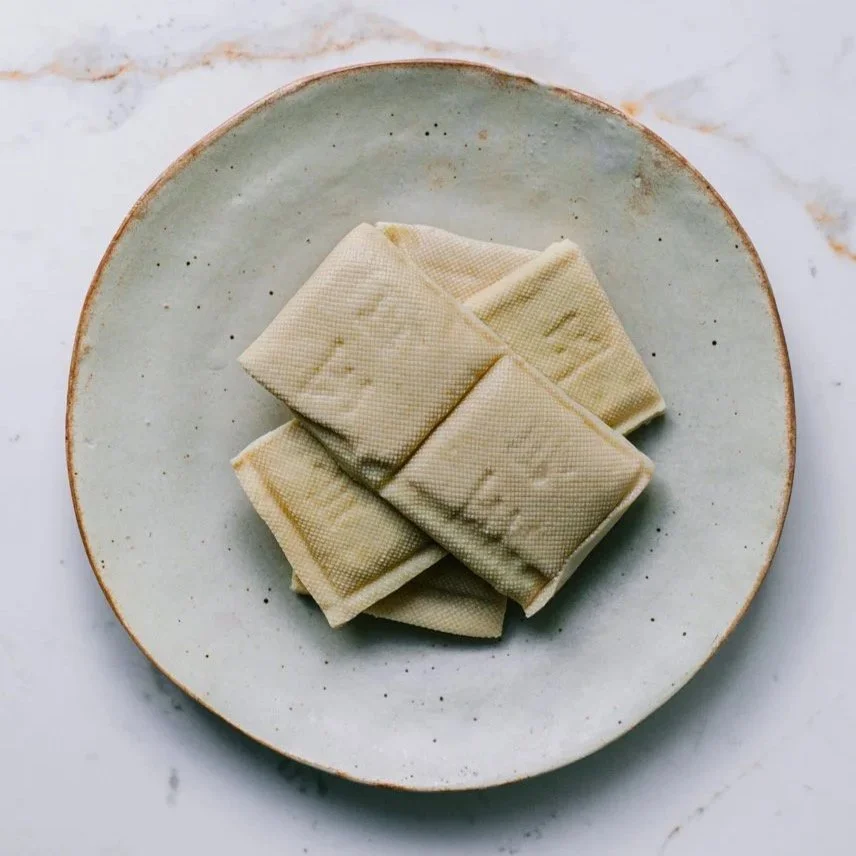
Pressed Tofu | 豆腐干 | doufu gan
Once tofu is pressed beyond the point of ‘extra-firm', it becomes something else entirely. Almost all the moisture is expelled, leaving a compact, springy block with a pale creamy colour. Uncooked, it feels a little like halloumi in your hand: dense and squeaky. Pressed tofu is usually sliced into thin slabs or cut into matchsticks before cooking. It holds its shape when stir-fried and the texture when cooked is similar to a big firm mushroom, something between a porcini and a shiitake. In fact, it’s easy to mistake it for a mushroom in a stir-fry. In northern China, one of the most common preparations is a simple stir-fry with green peppers or Chinese chives, sometimes with a few slivers of carrot, wood ear mushrooms of pork belly for richness. Pressed tofu also features in cold salads, tossed with soy sauce, garlic, and sesame oil for a chewy, savoury bite.
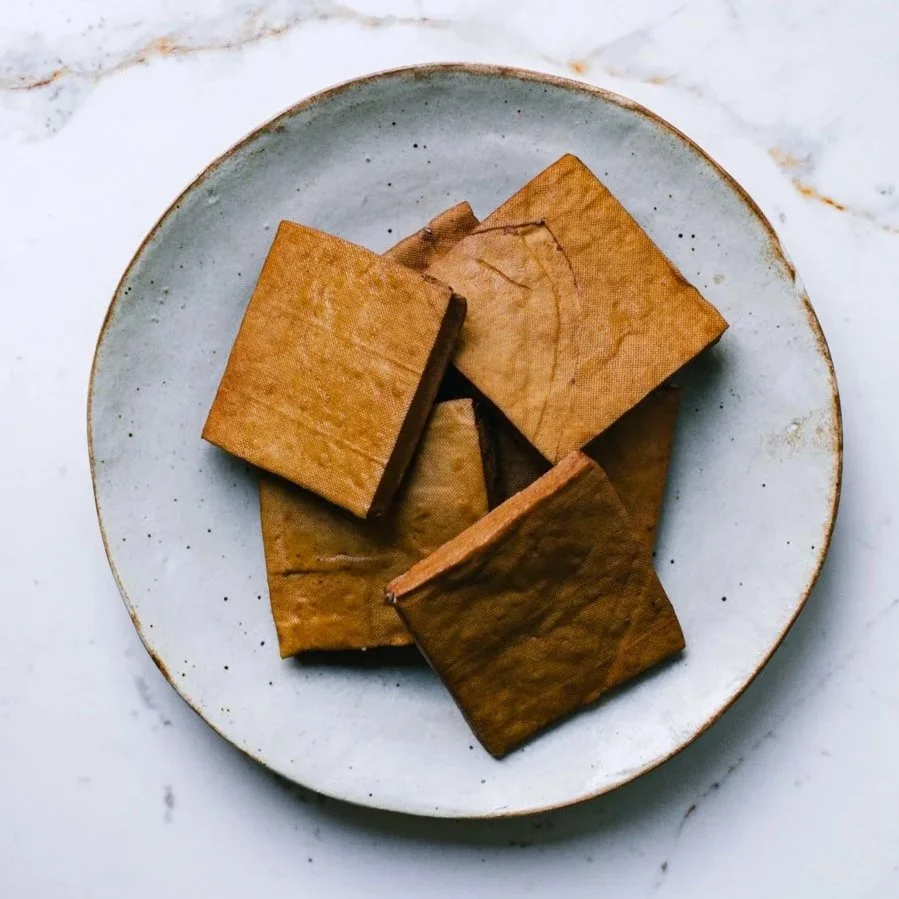
Five-Spice Tofu | 五香豆腐干 | wuxiang doufu gan
Pressed tofu is a blank canvas, and so it’s sometimes flavoured before sold. The common choice is five-spice, where the blocks of tofu are simmered in a fragrant broth of soy sauce, ginger, spring onion, sugar, and the five spices - star anise, cloves, cinnamon, fennel, and Sichuan pepper - that give the dish its name. Each producer has their own recipe, so flavours can range from sweet-savoury to intensely spiced, but the result is always a deeply seasoned tofu with a satisfying, meaty chew. It can be sliced and stir-fried like plain pressed tofu, eaten cold in salads, or served as a snack with drinks.
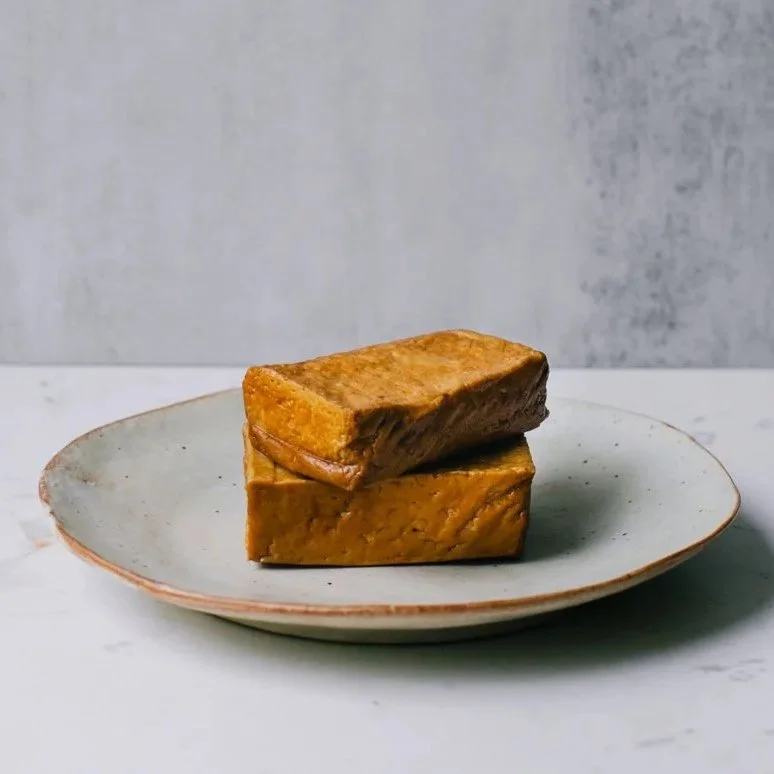
Smoked Tofu | 熏豆腐 | xun doufu
Smoked tofu is still pressed, often braised first and then smoked over tea leaves, rice husks, fruitwood, or a mix of wood chips and sugar. The smoking adds a layer of savoury depth and a faint sweetness, transforming the tofu into something with the complexity of cured meat. In Northern China, smoked tofu is often cut into thin strips and tossed with stir-fried celery, wood-ear mushrooms, or slivers of green pepper. It can even be added to scrambled eggs, where the smoky aroma perfumes the whole dish. Like all pressed tofu, it makes an excellent meat substitute - chewy, flavourful, and satisfying.
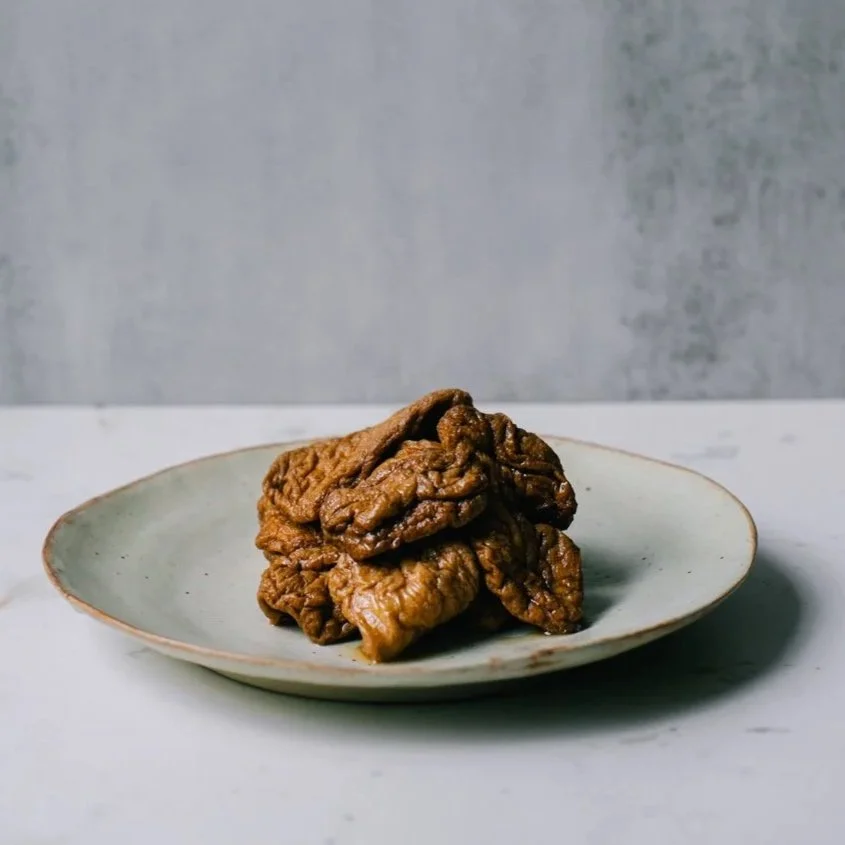
Vegetarian “Meat” Tofu | 素肉豆干 | si rou dou gan
This one will confuse you. I was certain I was eating chunks of lamb, but it turns out it was tofu. The name is a bit confusing, but it’s a relatively new creation, designed to replicate the texture of meat. This is done repeatedly pressing layers of tofu to create a dense, fibrous texture, and at the same time, flavoured with spices. The final press is between textures clothes that leave irregular patterns on the surface, giving it the look and feel of meat. It’s a great snack that’s satisfying and healthy.
TOFU SKIN
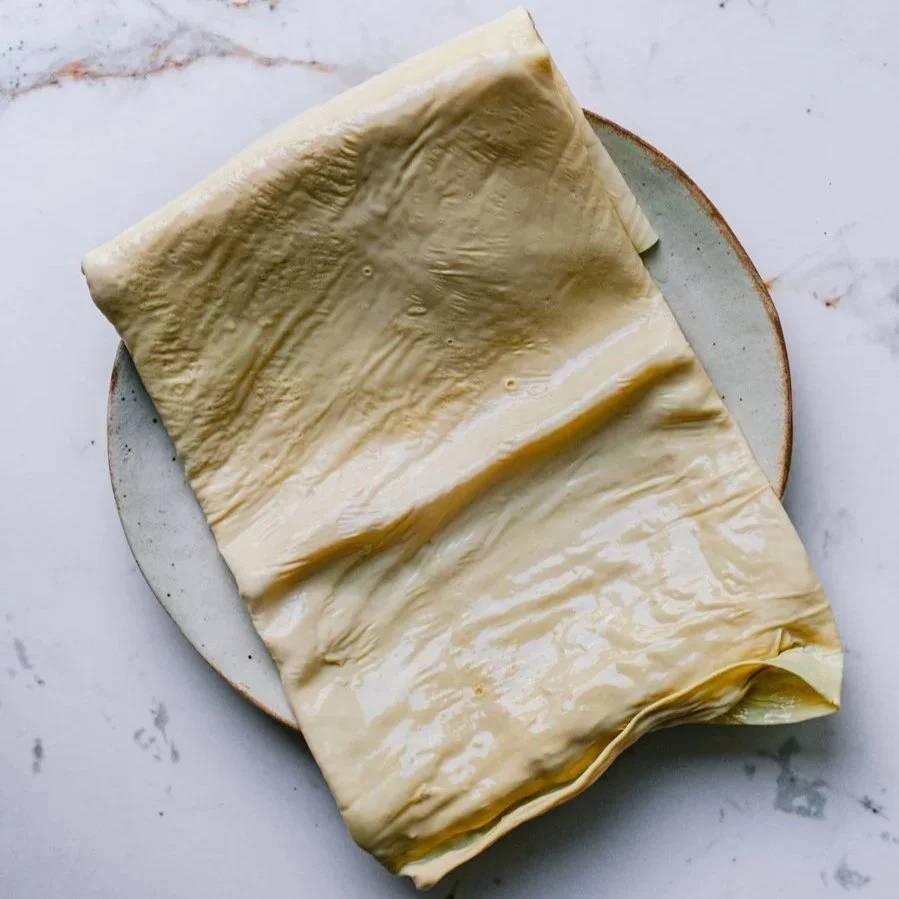
Tofu Skin | 豆腐皮 | doufu pi
Tofu skin is a very different creature from block tofu. As soy milk heats, a thin film forms on the surface, just like the skin on warm milk or custard. This delicate sheet is carefully lifted off and if sold fresh , it’s folded while still tender and silky (called xian doufu pi | 鲜豆腐皮). It can also be hung up to dry into the yellowish sheets and sold in dry form, rehydrated later in the kitchen before cooking. Fresh tofu skin has a soft, slippery texture with a subtle bean flavour. It’s surprisingly underused even in Chinese cooking, but when it appears, it shines in soups, braises, and hotpots, where its tender layers soak up broths beautifully. In southern China, it’s also wrapped around minced fillings to make neat rolls, often steamed or braised until the skins turn satiny and rich with sauce.
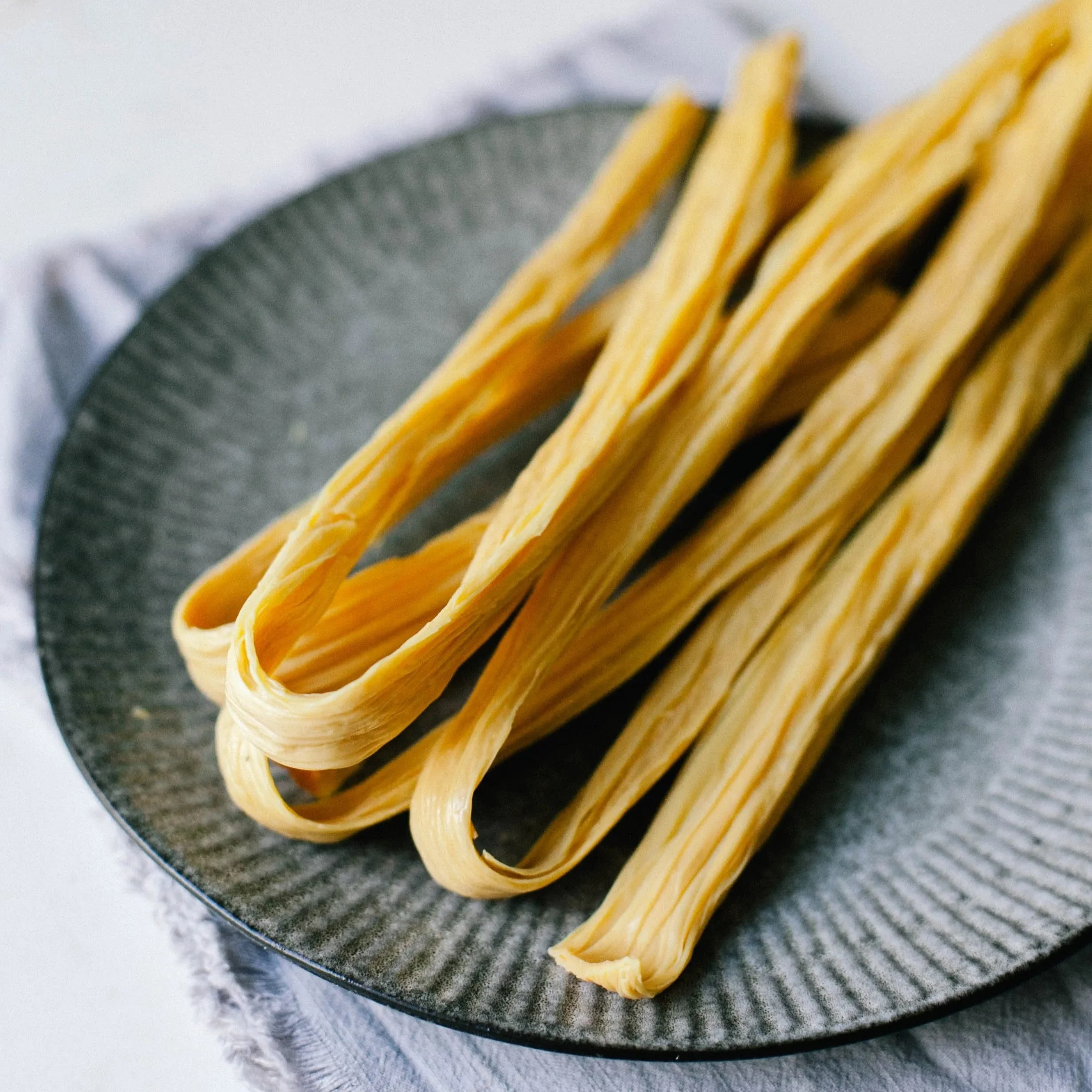
Crinkled Tofu Sticks | 腐竹 /腐皮 | fuzhu / fupi
Crinkled tofu sticks, also known as Yuba in English, is tofu skin that is taken off the soy milk but then bunched up before it dries to create a unusual texture. It can be sold fresh or dried and is known as fuzhu or fupi. The result is a satisfyingly chewy texture that can take centre stage in a dish. Crinkled tofu sticks are a staple in Chinese vegetarian cooking but equally loved by omnivores. In northern China, it’s can be served hot or cold, frequently paired with crisp vegetables like celery or peanuts. Its ridges and folds make it ideal for absorbing dressings, sauces, or braising liquids, giving every bite a burst of flavour. I love adding it to a rich stew, all that sauce seeping into the folds.
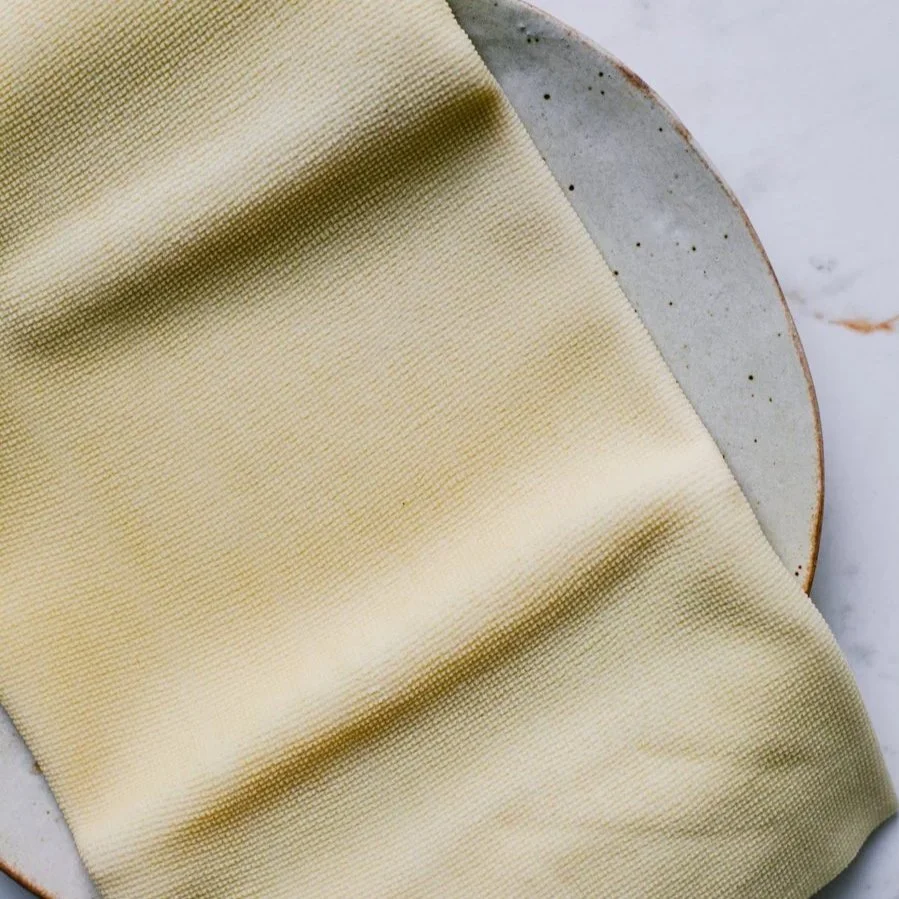
Pressed Tofu Sheet | 千张 | qianzhang
Pressed tofu sheets somewhere between tofu and tofu skin. The process begins much like firm tofu: soy milk is heated, a coagulant is added, and the curds are stirred. But instead of pouring the mixture into deep moulds, it’s poured as a very thin layer into shallow trays and then pressed into smooth, flexible sheets. In Northern China, the pressing often leaves a patterned crisscross texture on one side, that helps sauces and dressings cling to the sheet. Pressed tofu sheets are most commonly used in the North, where one of the most celebrated preparations is a cold salad of shredded sheets tossed with julienned vegetables and a light dressing. They can also be rolled and used like a pancake too or braised and stir-fried making them a versatile yet forgotten ingredients in Northern cuisine. In supermarkets or tofu stalls, you’ll find pressed tofu sheetsprepared in different ways - sometimes big sheets, some small, other times shredded, or sometimes the bottom half is shredded and the top is kept whole, making it look like a squid with a thousand tentacles.
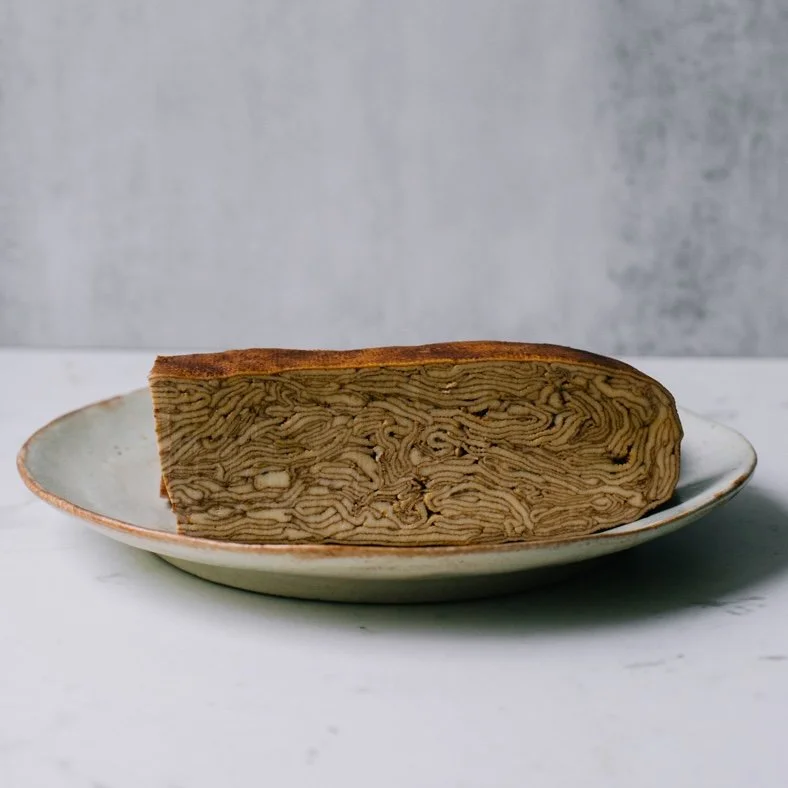
Thousand-Layer Tofu | 千页豆腐 | qianye doufu
This is a modern tofu product made by layering thin sheets of tofu and then pressing to create a kind of “cake” that is sliced and sold. The result is a firm yet bouncy texture, often described in China as QQ, meaning pleasantly chewy. Producers have their own way of making it, sometimes it’s neat, sometimes rustic or sometimes it ends up looking more like the vegetarian meat tofu. In fact, I’ve seen it sometimes sold as 素鸡 or ‘vegetarian chicken’.
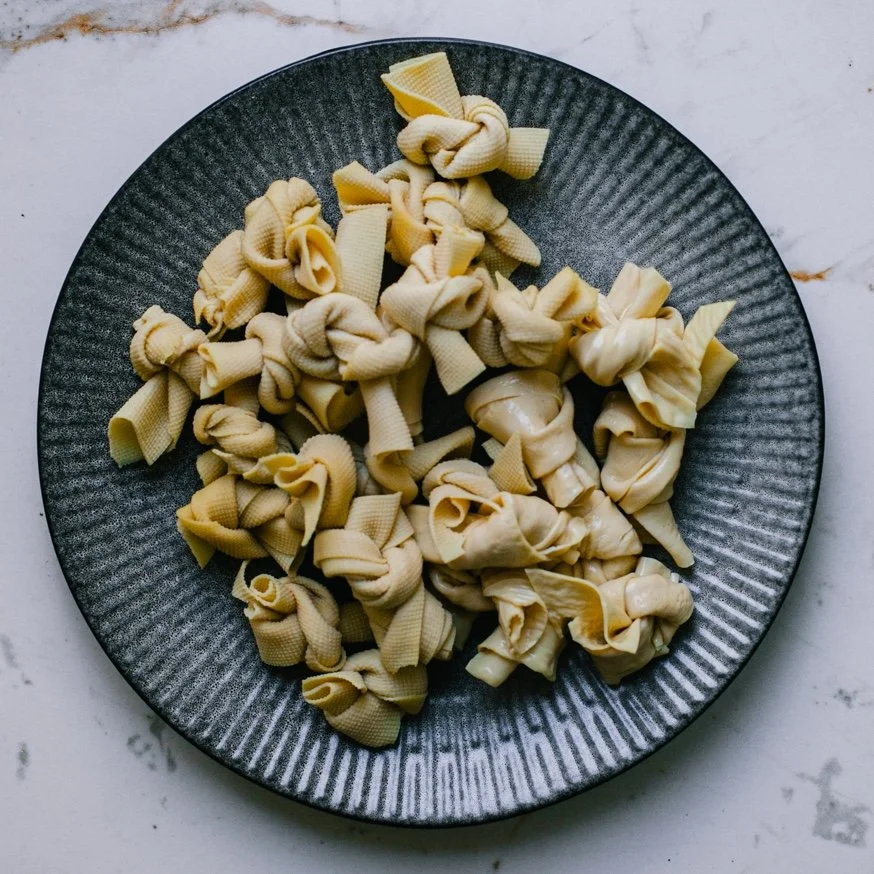
Tofu Skin Knots | 百叶结 | baiye jie
At a quick glance, tofu skin knots resemble an obscure pasta like campanelle or cavatappi, but of course, this is yet another form of tofu. They are made by taking fresh tofu skin and tying it into small knots. These folds and twists give them a chewier, almost meaty bite. This structure makes them perfect for braised dishes or any preparation with a generous sauce - the folds trap and hold the sauce, infusing each bite with flavour, much like a pasta. Pressed tofu sheets can also be treated in the same way and tied into knots.
Fried Tofu Skin | 油皮 | youpi
Fried tofu skin is less common in northern Chinese cooking (so much so, that I couldn’t buy any in the markets), but it has a unique texture and versatility. It begins like fresh tofu skin, lifted from heated soy milk, but is then deep-fried and dried. The result is a golden, crispy sheet that can be added to hot pots, braised dishes, or stir-fries. Even when cooked in liquids, it retains some of its crispiness, providing a contrasting texture that adds interest to soups, stews, and saucy dishes.
FERMENTED & AGED TOFU
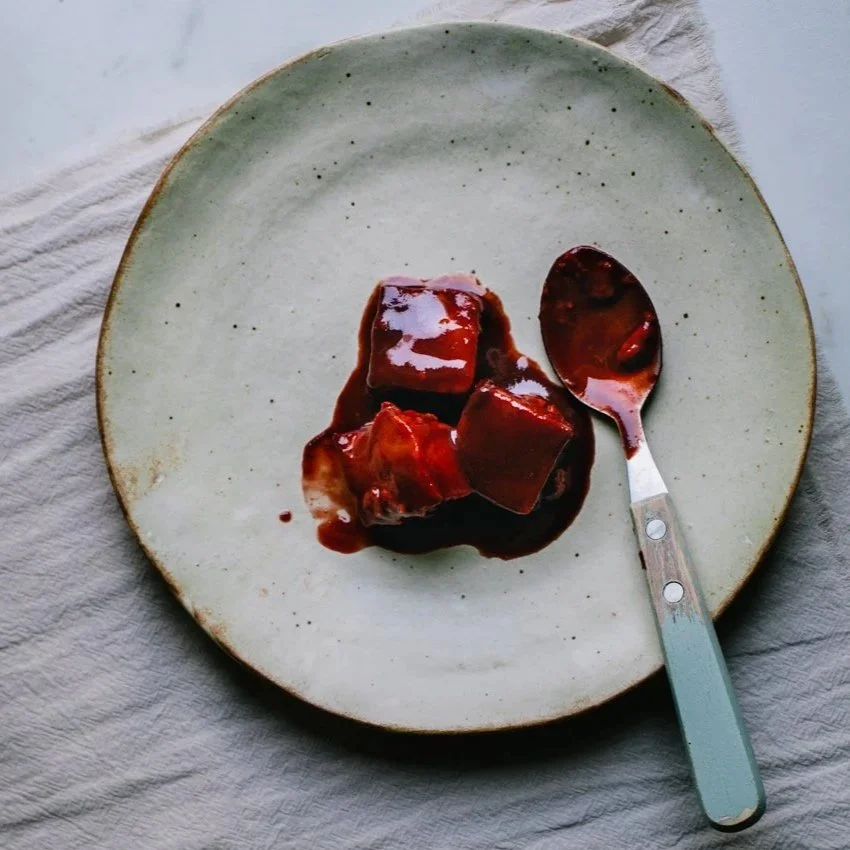
Fermented Tofu 豆腐乳 | doufu ru
Across China, there’s a huge variety of fermented tofus, produced by fermenting firm tofu cubes in brine, rice wine, or a mixture often spiked with ingredients like sugar, chilli oil, spices, or red yeast rice. During fermentation, which typically lasts several weeks, the tofu gradually breaks down into a soft, creamy, almost cheese-like texture with a salty, umami-rich punch. The flavour is often compared to blue cheese because of its pungency and depth.
Different types of fermented tofu have distinct regional identities:
Red fermented tofu (红腐乳 | hong furu) is tinted with red yeast rice and has a slightly sweet, mellow flavor. More common in Jiangnan and Southeast cuisines.
White fermented tofu (白腐乳 | bai furu) tends to be saltier and sharper, and more common in Beijing cuisines, used as a condiment.
Southern-style fermented tofu (南乳 | nanru) often uses rice wine and sugar, resulting in a more fragrant, slightly sweet product popular in Cantonese cooking.
A little goes a long way: just a few teaspoons can transform congee, braised dishes, or stir-fries with its umami complexity. Some chefs even smear it on lamb skewers or grilled meats for a rich, savoury hit.
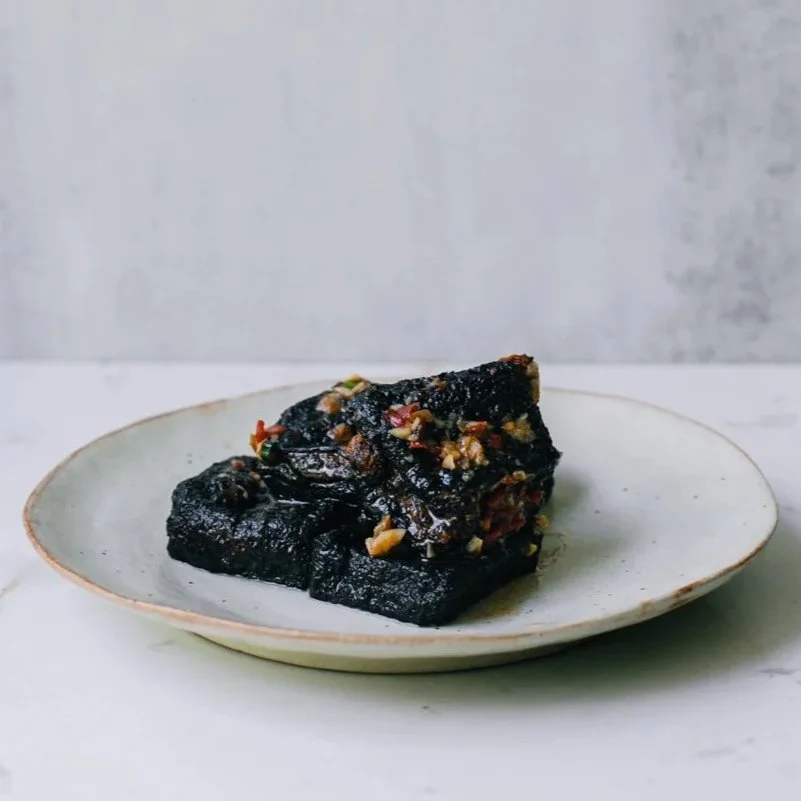
Stinky Tofu | 臭豆腐 | chou doufu
Stinky tofu is the Marmite of Chinese cuisine - people either love it or can’t be in the same room as it. Traditionally sold from street carts, its unmistakable aroma drifts through the air long before you spot the vendor. Unlike regular fermented tofu, stinky tofu is fermented in a “wild” brine - typically a mix of fermented vegetables, rice wine, sometimes dried shrimp or fish, and other secret ingredients. It’s difficult to buy uncooked stinky tofu, as the ferment doesn’t usually last long, and it’s probably not something you’d want to cook at home anyway, unless you’re trying to fumigate your house. When deep-fried, the contrast between the funky, custardy interior and the crispy outer shell wins over many skeptics (it tastes better than it smells).
SPECIALITY VARIETIES
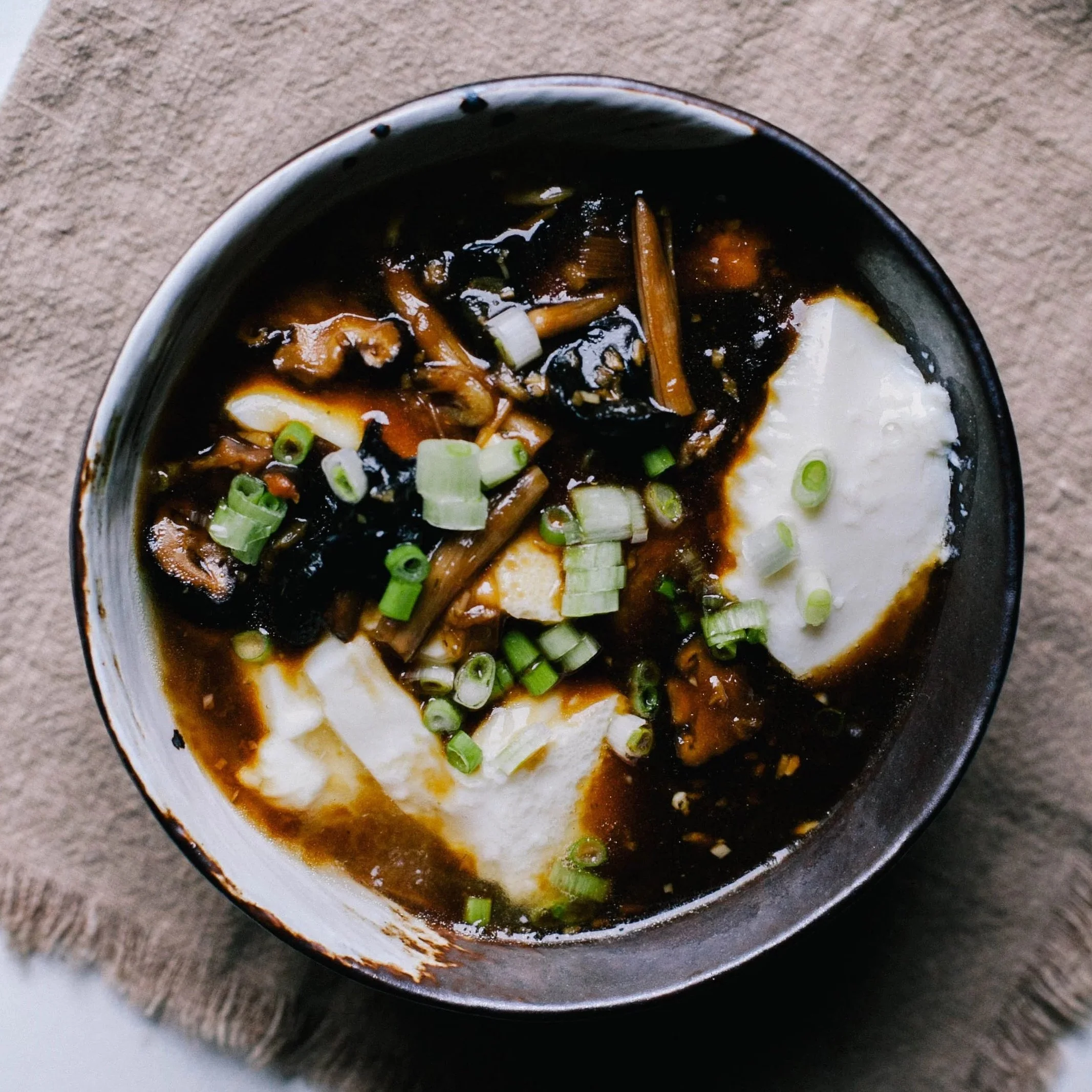
Douhua Tofu & Doufu Nao | 豆花 & 豆腐脑 | douhua / doufu nao
Douhua, literally “tofu flower,” is the most delicate form of tofu. It’s even softer than silken tofu and always eaten fresh, right after it’s made. Unlike silken tofu, which is molded into blocks, douhua remains loose and custardy. It starts the same way as other tofus - with hot soybean milk coagulated until tender curds form - but instead of pressing or shaping, the curds are gently scooped into bowls and served immediately. The result is a silky, pudding-like texture that melts on the tongue. This is the easiest tofu to make at home (find my recipe here).
Douhua or doufu nao has both sweet and savoury traditions across China: in Southern China and Taiwan, it’s often enjoyed as a dessert, paired with sweet ginger syrup, tapioca pearls, taro balls, or even grass jelly, making for a refreshing summer treat. In Northern China, especially Beijing, it takes on a savoury form as doufu nao (豆腐脑), where the soft curds are topped with a rich, salty sauce made from soy sauce, pickles, wood-ear mushrooms, and minced pork. In Beijing and other northern cities, savoury doufu nao is a beloved breakfast dish, eaten with steamed baozi or fried dough sticks (youtiao) for a hearty start to the day.
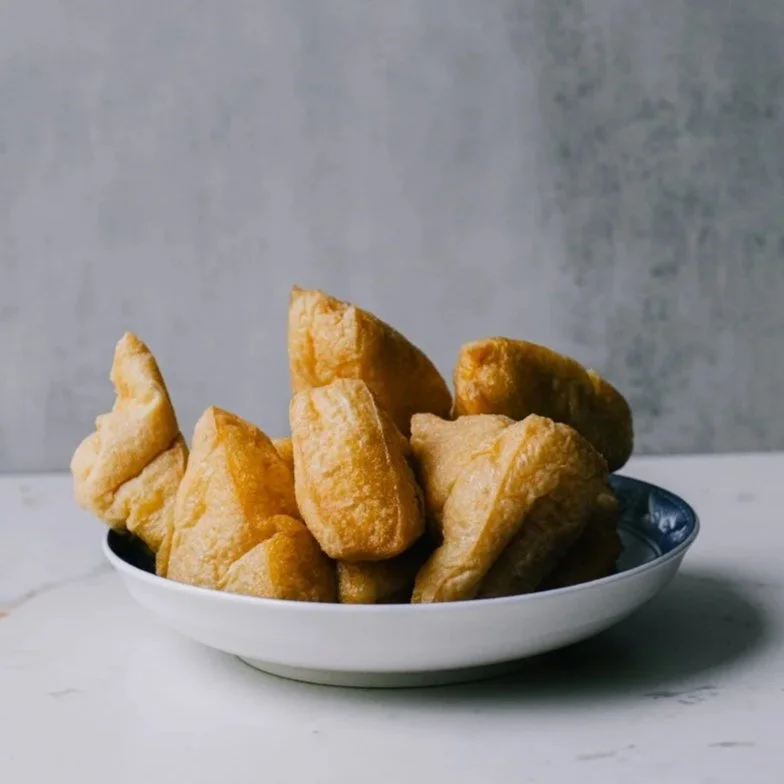
Tofu Puffs | 油豆腐 | you doufu
Tofu puffs are much more common in Southern Chinese cooking than in the North, and they become even more prominent in Southeast Asian cuisines such as Peranakan and Nyonya food of Singapore and Malaysia. To make tofu puffs, producers start with firm or extra-firm tofu, cut it into cubes, and then deep-fry it, sometimes twice, to create its signature texture. The intense heat causes the tofu to puff up in the oil, forming a crisp, golden-brown shell with a light, spongy, hollow interior. This unique structure makes tofu puffs ideal for hot pots, braises, and soups, where they soak up broths and sauces like a sponge while staying pleasantly chewy. In Southern Chinese cuisines, they’re also used in curry dishes and stuffed with fish paste or minced meat before braising.
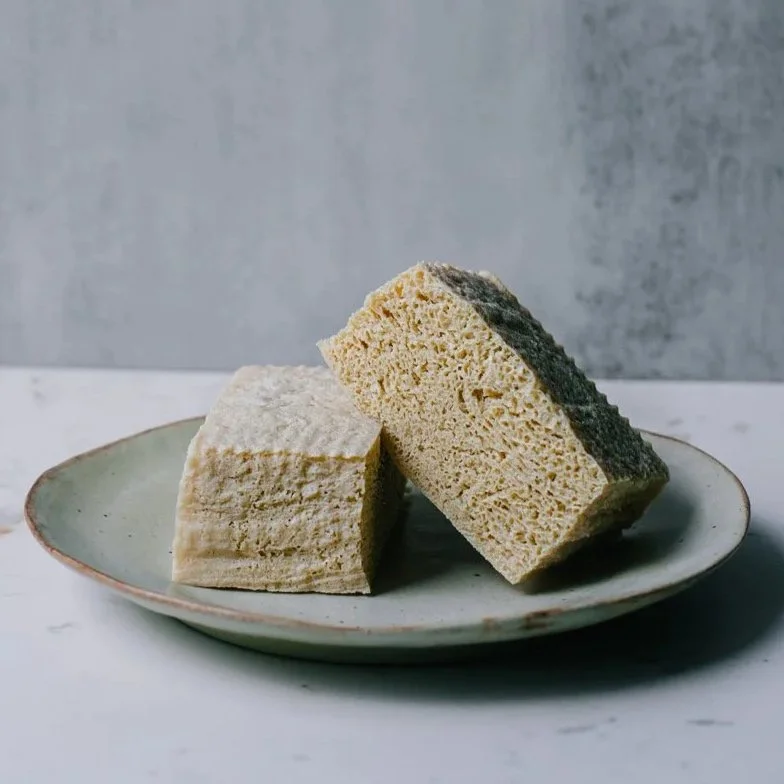
Frozen Tofu | 冻豆腐 | dong doufu
In Northern China, frozen tofu is a traditional winter ingredient. Families would leave fresh tofu blocks outdoors overnight to freeze naturally. As the tofu freezes, ice crystals form inside, creating tiny holes in the texture. When thawed, the tofu becomes spongy and porous, almost like soft wheat gluten or bread.
This unique texture allows frozen tofu to soak up broth and seasonings beautifully, making it ideal for hot pots, soups, and braised dishes. The process also gives it a slightly chewy bite, which Northern diners particularly love. It’s easy to make, just but a block and firm tofu in the freezer, thaw it and you’ve got Frozen Tofu.
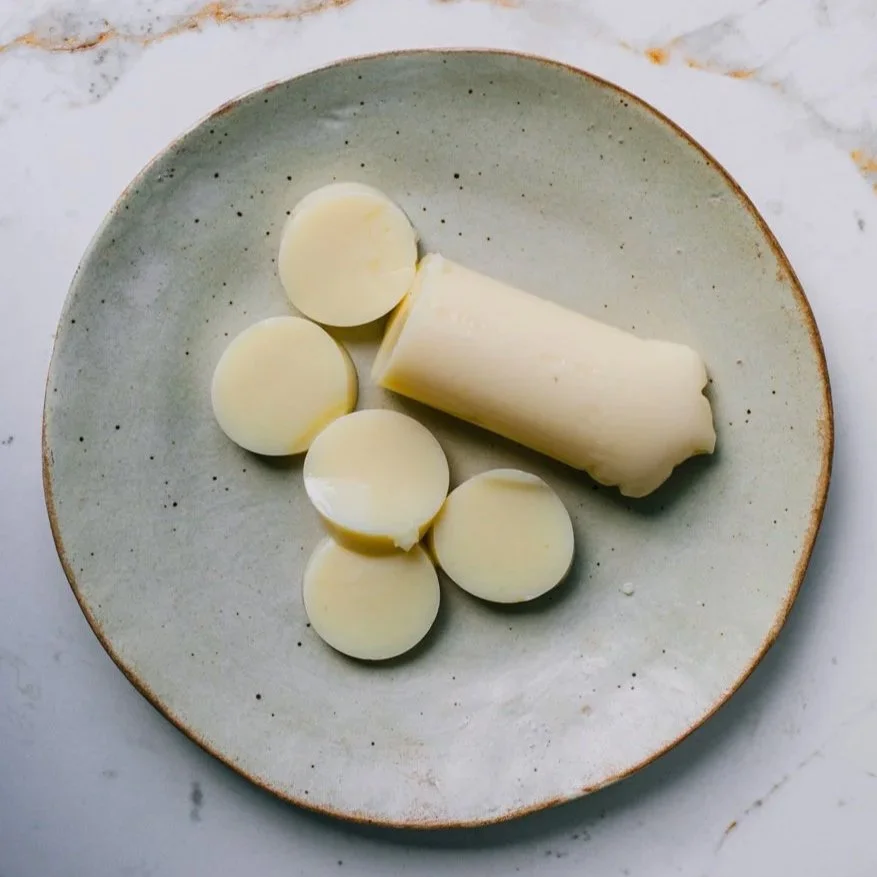
Egg Tofu / Japanese Tofu
鸡蛋豆腐 / 日本豆腐
jidan doufu / riben doufu
Despite the name, egg tofu isn’t strictly tofu since it contains no coagulated soy curds. Instead, it’s made from eggs, soy milk, and cornstarch, then gently steamed until set. The result is a silky, custard-like block with a rich yellow colour and a smooth, creamy texture. It’s usually sold in cylindrical tubes, sliced into rounds, and added to hot pots, soups, or light stir-fries. Egg tofu is especially popular in Japanese and Cantonese cuisines, where its delicate flavour pairs well with light sauces and broths, but I did come across a dish in Xinjiang where it was braised in local spices.
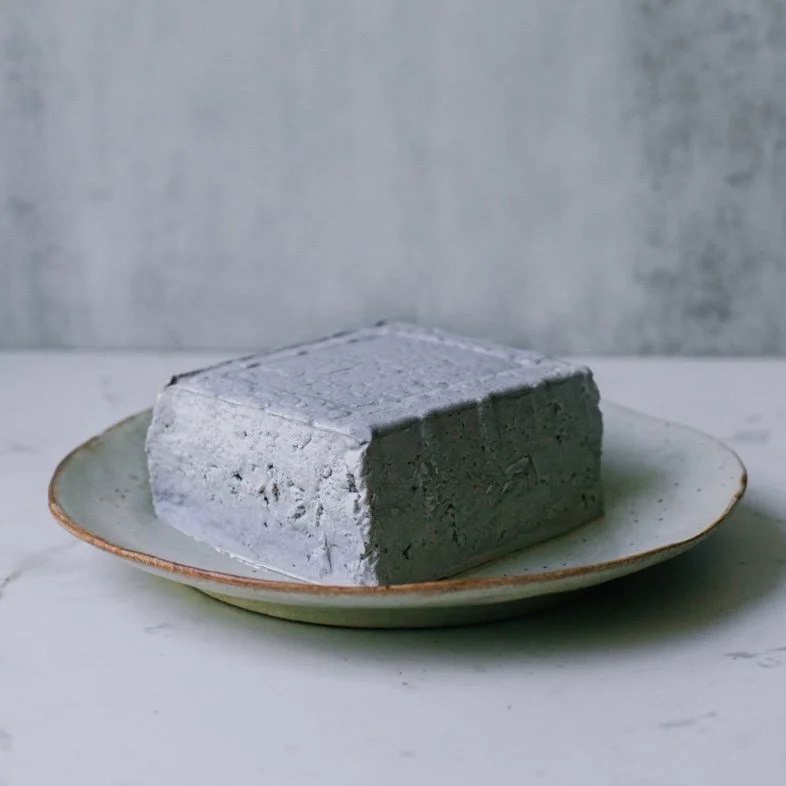
Black Bean Tofu | 黑豆豆腐 |
heidou doufu
Made from black soybeans rather than the usual yellow ones, black bean tofu is a grey/off-white colour and a slightly nuttier, richer flavour. Though less common than regular tofu, it can be used in exactly the same ways - in stir-fries, soups, or braised dishes - while adding a unique depth of flavour and a striking visual contrast to the plate.
FINAL WORDS
These are the most common tofu products I come across day-to-day. Of course, these 20 types only scratch the surface. Across China, tofu-making is endlessly inventive, and there are countless regional varieties too rare or hyperlocal to document fully. In Shandong, for instance, there’s cuidoufu (脆豆腐), a bread-like tofu with a chewy bite; in Anhui, a salted, smoked version takes on the look of honey-glazed ham (腊八豆腐). Yunnan is home to one of my favourites: lava tofu (建水爆浆豆腐), which develops a crispy shell while staying molten inside. Guizhou offers tofu coins (金钱豆腐), paper-thin rounds of firm tofu, as well as qingyan tofu (青岩豆腐) and the wonderfully named exploding juice tofu (爆浆小豆腐).
And then there are the so-called tofus that contain no soy at all. Blood tofu (猪血豆腐) is really coagulated pig’s blood, sliced into neat bricks for soups and stir-fries. Fish tofu (鱼豆腐), popular on skewers and in hot pots, is made from minced fish paste, its tofu-like name referring only to the shape and texture.
What all of this shows is that there’s a whole world of tofu in China remains largely unknown to the West. I am often perplexed by the latest solutions to reducing meat consumption in the west - in vitro meat, plant-based burgers or insect proteins - when China already has an ancient solution.
Cooks in China have been experimenting with soybeans for hundreds of years, and the experimentation continues today with modern producers playing around with texture and flavour, trying to stay one step ahead and ignite the latest street-food trend. Walk down any food street in China and you’ll find tofu snacks unique to the city.
All this starts with a few ground soybeans, the results though, are seemingly endless.