
Fermented Foods of Northern China
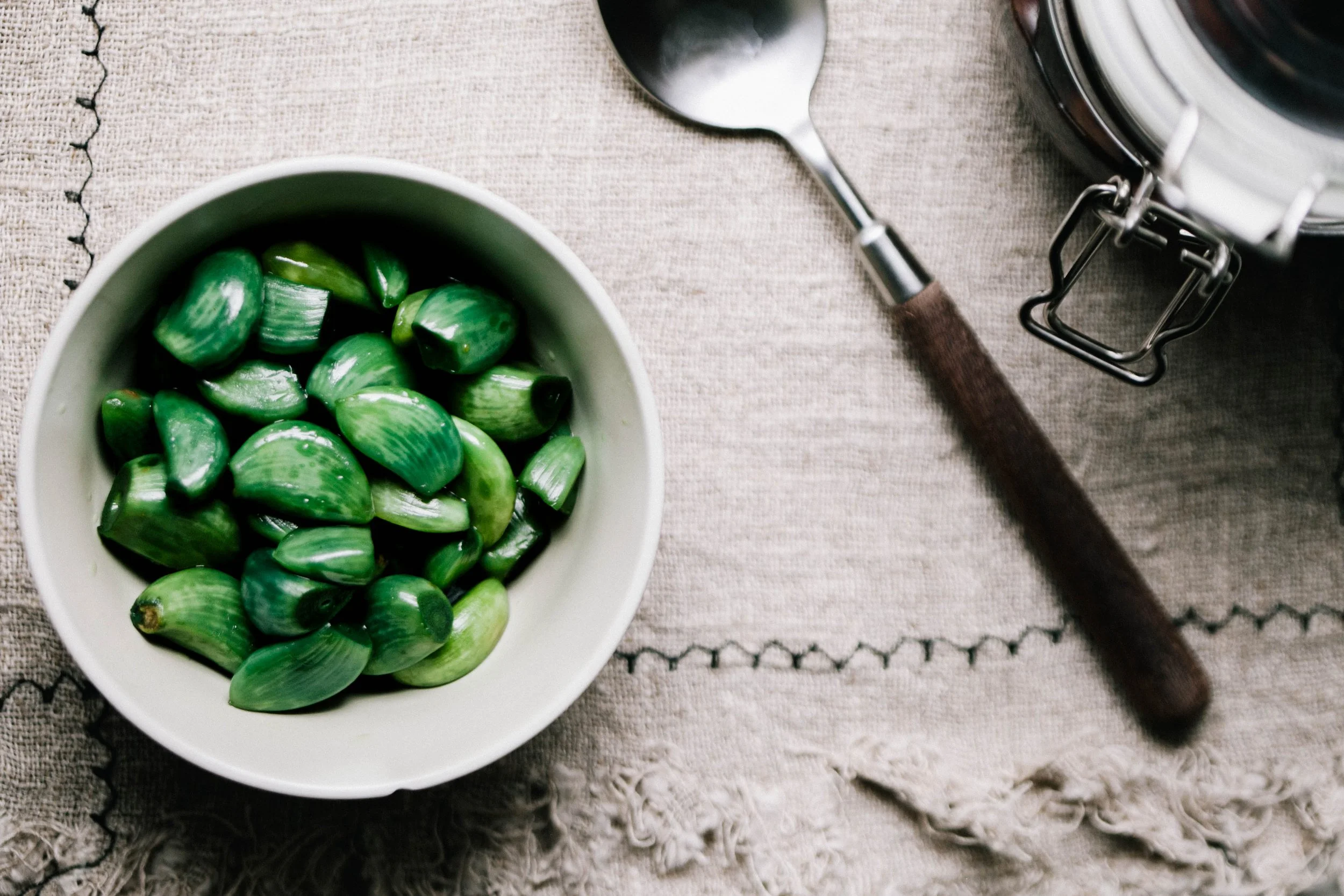
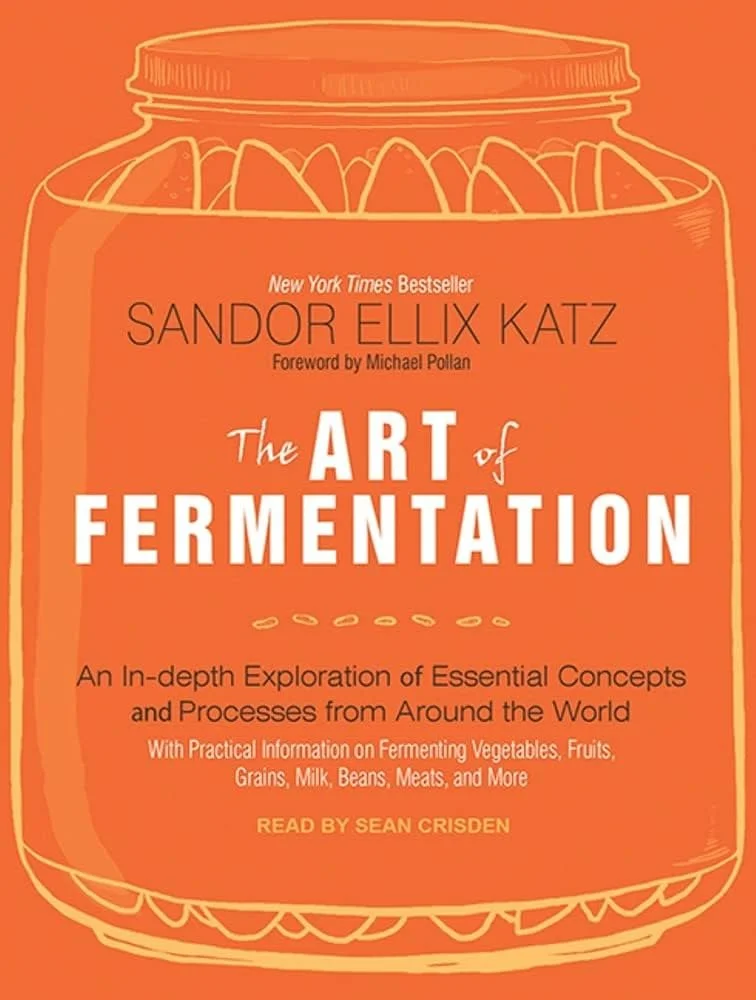
Fermented foods are having a moment. It was Sandor Katz’s book The Art of Fermentation that opened my eyes to the power of pickles. More recently, epidemiologist Tim Spector has been pushing it forward, and helping to bring the importance of the gut microbiome into mainstream conversation. He is a strong advocate for eating a wide range of fermented foods and often recommends incorporating the “three Ks” — kefir, kimchi and kombucha — into the daily diet. His latest book, Ferment, continues this exploration, encouraging readers to broaden their microbial horizons.
However, if you really want to know about ferments, China is the place to look. For thousands of years, this cuisine has relied on fermentation. Long before refrigeration, fermentation was both necessity and craft: a way to preserve vegetables through bitter winters, to coax flavour from humble grains and beans, and to transform simple ingredients into something deeper and more complex. While East and Southeast Asian cuisines are often recognised for their fermented foods, the traditions of Northern China are less frequently discussed, despite being remarkably rich and varied.
Over the years, I’ve come across dozens of Northern Chinese ferments, with many more still to discover. Most are rooted in the staple crops of the region — soybeans, wheat, millet and oats — and reflect a food culture shaped by cold climates, frugality and ingenuity. From gently sour drinks to deeply savoury pastes, these foods bring brightness, depth and character to everyday meals.
Below, I thought I’d highlight some of the most important fermented food from Northern China. It is by no means exhaustive — that would be a much longer project — but it offers a starting point for anyone looking to explore fermentation beyond the familiar trio of kefir, kimchi and kombucha.
Suancai (Fermented Cabbage) | 酸菜
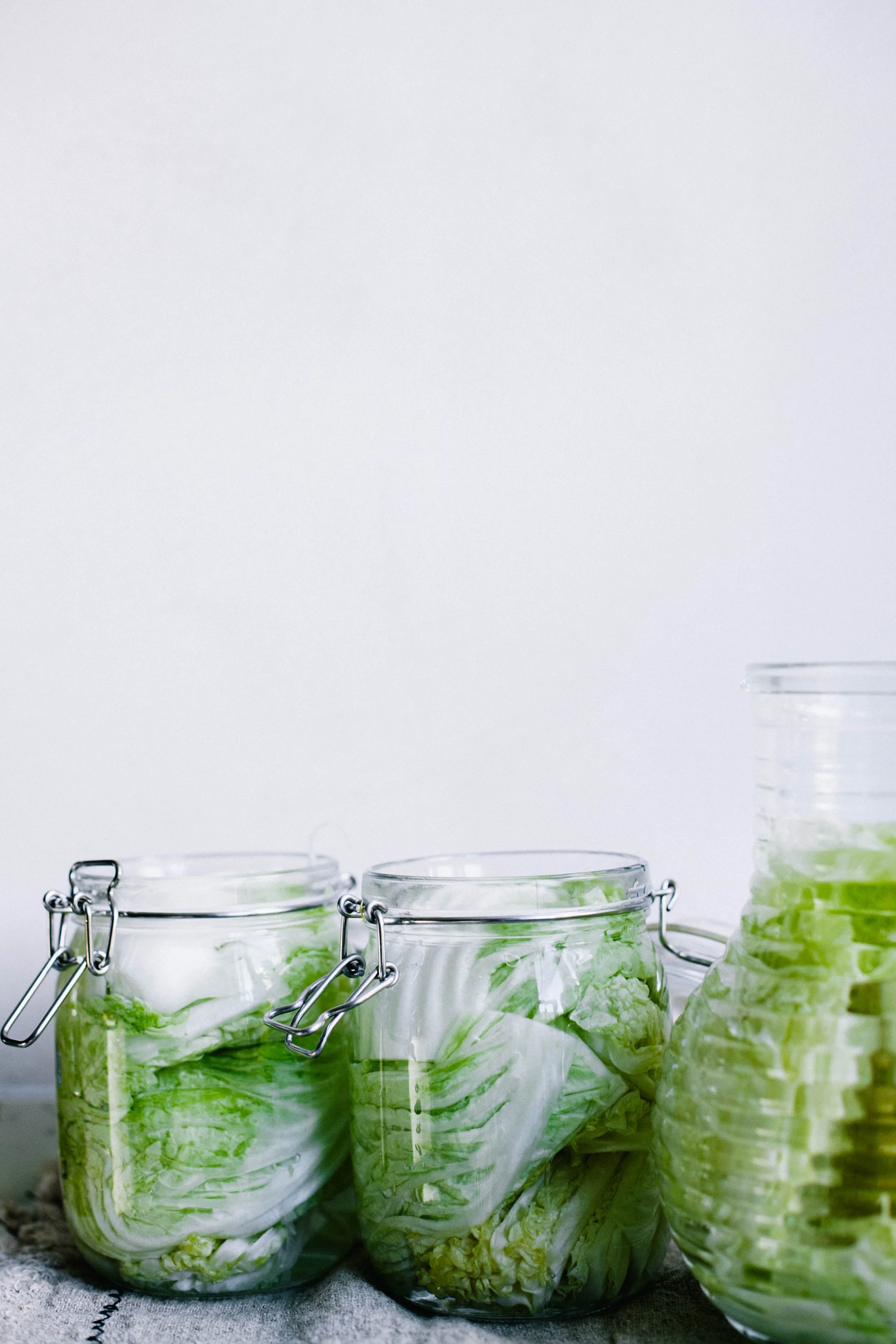
At first, I was surprised to encounter fermented cabbage in Northern China. I had always associated sour cabbage with Eastern Europe and sauerkraut, but it turns out China has a much older tradition of preserving vegetables through fermentation, especially in the cold northern provinces where fresh greens were scarce in winter. In fact, there is some evidence that Northern Chinese fermented cabbage was brought to Europe and adopted there. Suancai can be fermented in large chunks or shredded like sauerkraut. It is not usually eaten alone, but added to soups and stews for a gentle tang, added to stir-fried for a crunch, or, as I discovered this week, can be stuffed into steamed buns for a satisfying filling. Find my recipe here.
Paocai (Kimchi) | 泡菜
Kimchi is so closely associated with Korea that it is easy to overlook how spiced fermented cabbage also features in China’s Northeast. This is perhaps unsurprising: Jilin province borders North Korea and is home to a large Korean ethnic minority known as the Chaoxianzu. In Dongbei kitchens, fermented cabbage, chillies and other vegetables provide brightness and contrast to rich wheat-based staples and slow-cooked dishes.
Shanxi Mature Vinegar | 山西老陈醋
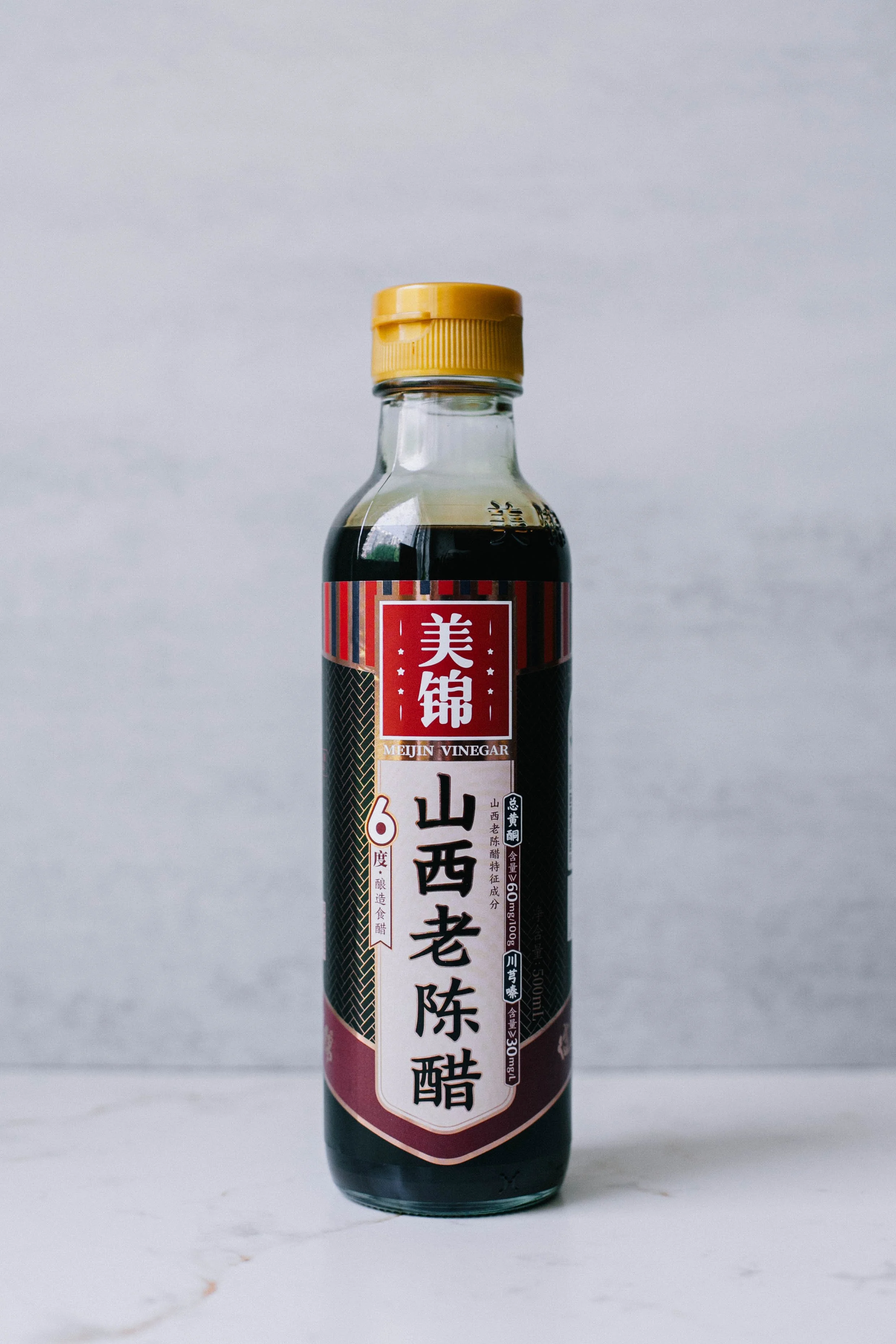
What would Northern Chinese cuisine be without Shanxi’s vinegar? It’s one of the great foundations of Northern Chinese flavour. Made from grains such as sorghum, barley and peas, it is fermented and aged for years, sometimes decades, developing a deep mahogany colour and a complex balance of sourness, sweetness and gentle smokiness. Unlike sharper Western vinegars, Shanxi mature vinegar is rounded and mellow, adding depth rather than sharpness to a dish. It is a dip for dumplings, stirred into braises, or used to brighten cold vegetable dishes.
Soy Sauce | 酱油
Although soy sauce production is concentrated in the Southern provinces of China, where the climate is better suited to fermentation, it has become an essential seasoning across the entire country, including the wheat-growing kitchens of the North. Made from fermented soybeans and grains, soy sauce provides saltiness, colour and a deep savoury richness that underpins almost every dish in China. There are few dishes that do not rely on soy sauce; most household go through bottles of the stuff every month. Along with vinegar and oil, soy sauce is an indispensable part of any Chinese pantry.
Douzhi | 豆汁
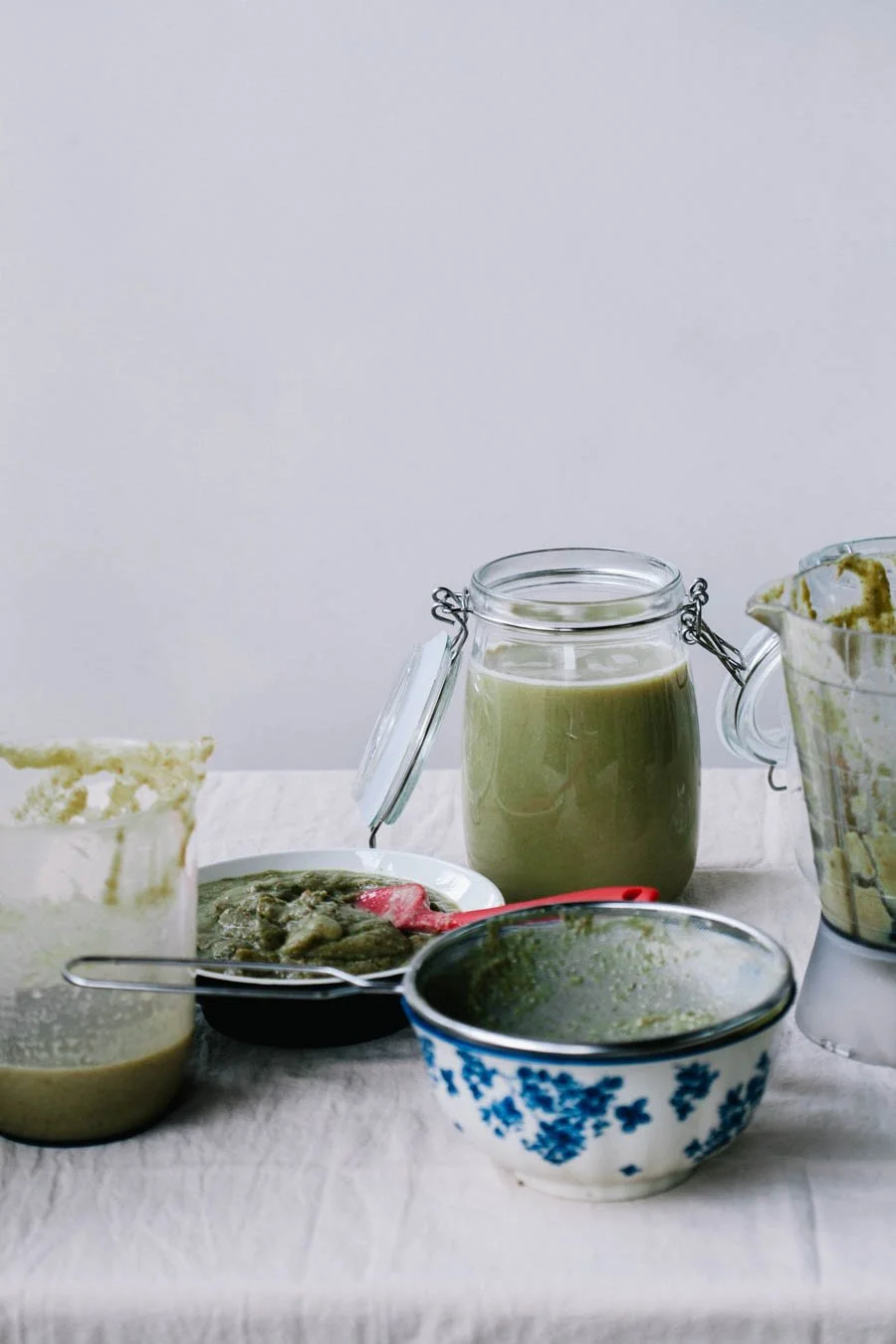
Fermented mung bean juice may not sound immediately appealing. It is famously an acquired taste — tangy, funky and unmistakably pungent, with a cloudy grey-green colour that can surprise first-time drinkers. Yet douzhi has been a beloved part of Beijing’s food culture for centuries, especially as a humble breakfast. Made from the by-product of mung bean starch production, the liquid is left to ferment naturally for several days, developing its distinctive aroma and refreshing sourness. If you’re feeling adventurous, find my recipe here.
Fermented Tofu (Furu) | 腐乳
Fermented tofu, known as furu, is sometimes described as the “cheese of China”. Cubes of tofu are inoculated with mould, then aged in brine, rice wine or chilli oil until they develop a creamy texture and a deeply savoury flavour. There are versions all across China, but Beijing’s local Stinky Tofu (臭豆腐, chou doufu) is loved in the capital city. You’ll smell it before you see it - pungent and funky - but the taste is mild, nutty and creamy, depending on how it’s prepared. You’ll sometimes smell it being deep-fried by street-food vendors, creating a crispy case with a custard-like centre, or there is a creamy, spreadable version often added to porridge or spread onto a steamed mantou bun.
Yellow Soybean Paste (huangjiang) | 黄酱
If there is one flavour that defines everyday cooking in Northern China, it is fermented soybean paste. Huangjiang is made from soybeans that are inoculated with grain cultures and left to ferment slowly, often developing a dark colour and a complex, savoury aroma. It forms the backbone of many dishes, most famously zhajiangmian, but also countless stir-fries and braises where it provides depth, saltiness and a subtle sweetness.
Sweet Wheat Paste (tianmianjiang) | 甜面酱
Despite its name, sweet wheat paste is not particularly sugary, but rather rich, salty, mellow and rounded. Made from fermented wheat flour, it has a smooth texture and a rich brown colour. It is most often served alongside roast meats, brushed onto pancakes, or used as a dipping sauce, where its subtle sweetness balances savoury and fatty flavours.
Laozao (Fermented Rice) | 醪糟
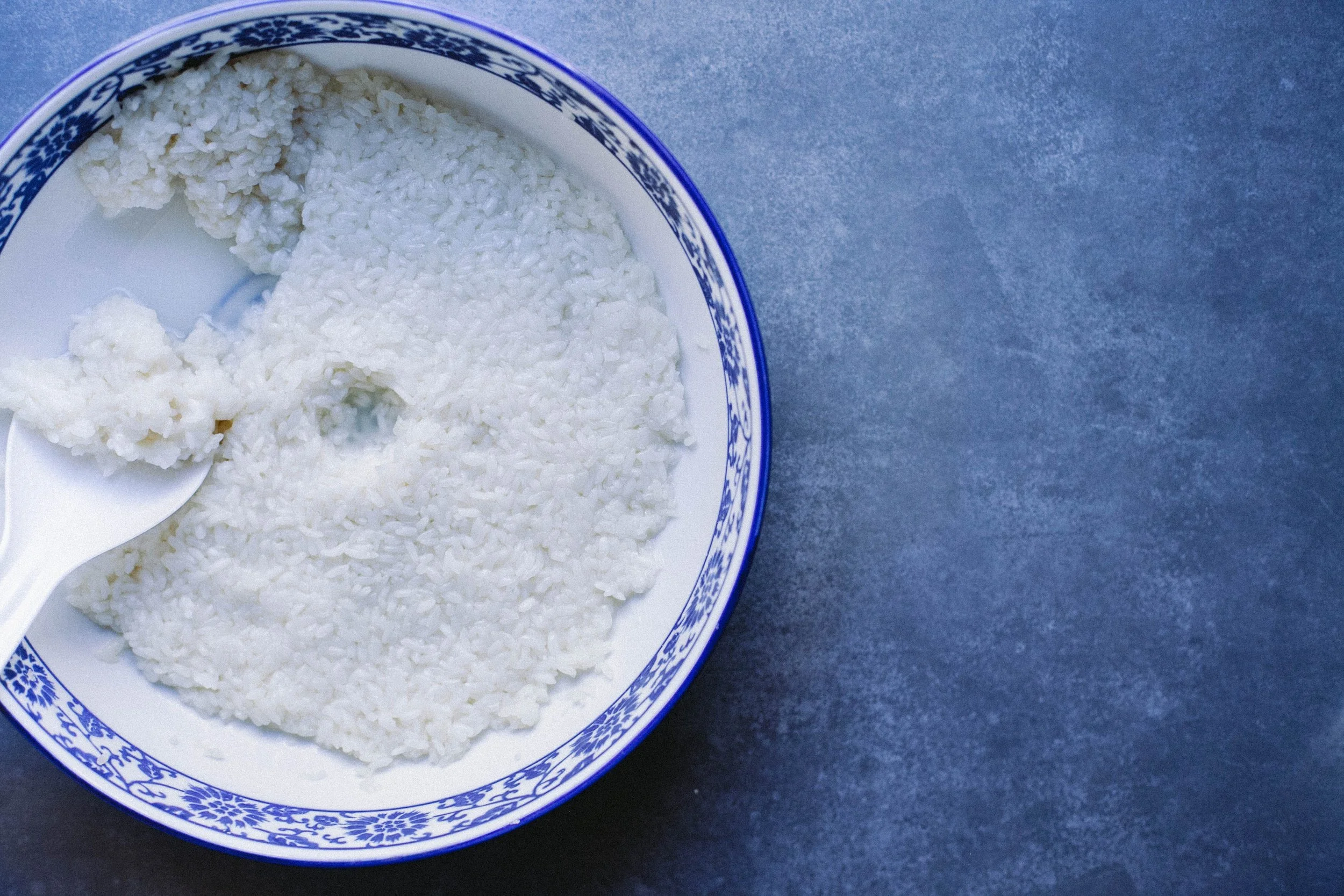
Laozao is made by fermenting glutinous rice with a starter culture known as qu, transforming the grains into something fragrant, lightly sweet and faintly alcoholic. The resulting mixture contains both soft rice grains and a delicate liquid, which can be eaten warm or cold. It often appears in desserts or sweet soups, sometimes paired with eggs or small dumplings, offering a gentle introduction to the world of grain fermentation. Find my recipe here.
Tian Peizi (Fermented Oats) | 甜胚子
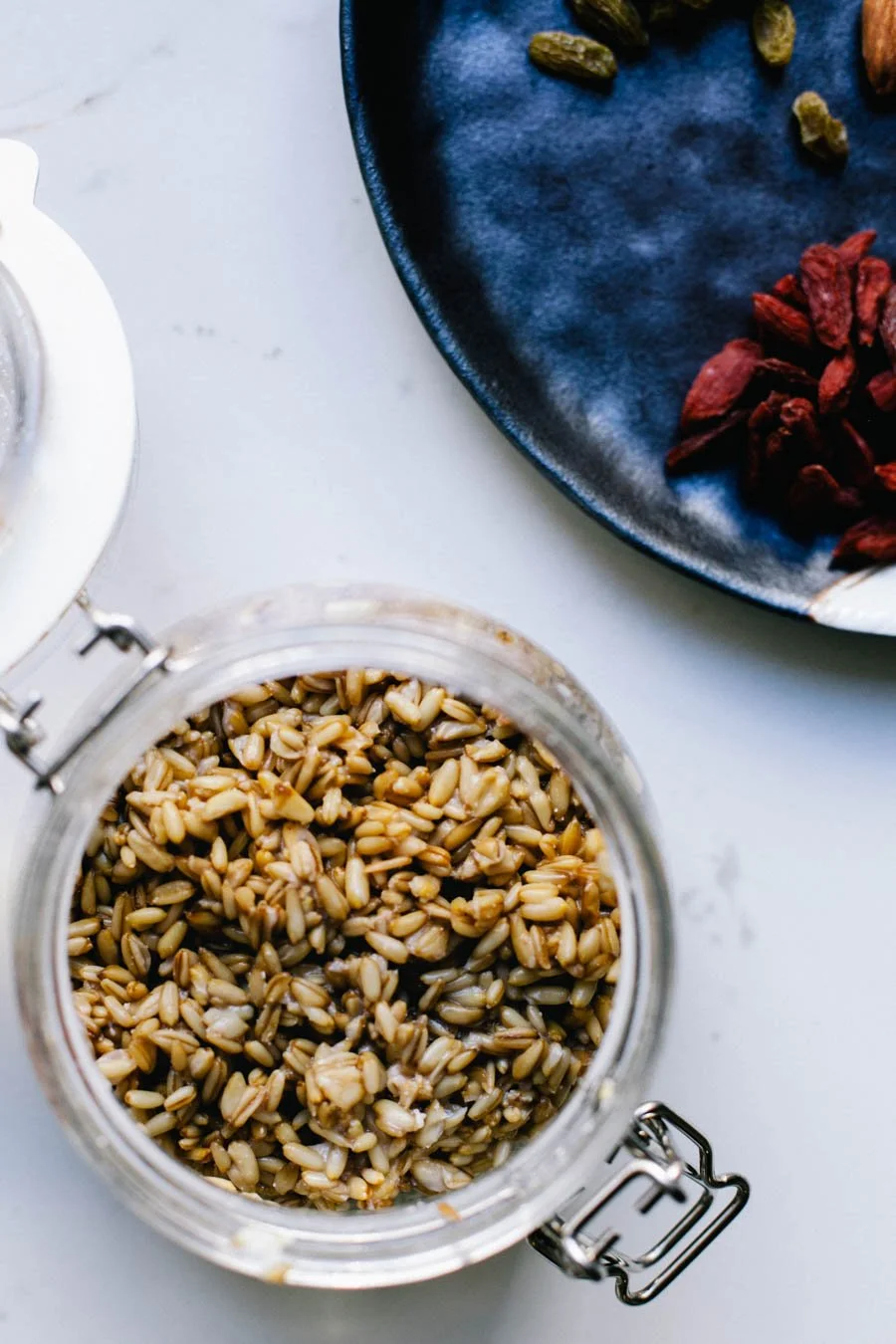
This is my favourite ferment right now. A specialty of Gansu province, particularly Lanzhou, tianpeizi is made by fermenting naked oats until they become softly plump and pleasantly aromatic. Lightly sweet with a subtle tang, it is often served chilled with its fermentation liquid, making it especially refreshing in the hot, dry summers of Northwest China. Its delicate flavour reflects the grain-based food culture of China’s inland regions. Find my recipe here.
Kvass (Gevasi) | 格瓦斯
Kvass, known in Chinese as gewasi, is a lightly fermented drink made from bread, most commonly rye. Though strongly associated with Russia and Eastern Europe, it has also become part of the food culture of Xinjiang in China’s far northwest, reflecting the region’s long history of contact along Central Asian trade routes. Mildly fizzy, gently sour and faintly sweet, kvass has a refreshing, almost malty flavour that makes it particularly appealing in the dry heat of inland summers. I absolutely love it but even in Beijing it’s not so common unless you’re in a real Xinjiang restaurant.