
Ingredients I Didn’t Know Before Moving to China
It was a strange feeling. Walking around the markets, sitting in restaurants or picking up fruit at stands suddenly felt novel again. I was like a curious child asking everyone what’s this, what’s that, how do you make it, how do you eat that?
I had spent more than ten years working in restaurants in the UK, working with local producers, fisherman and farmers to learn all I could about where food came from and how to use it. I knew my ingredients. I knew my techniques. But China is humbling. When I first moved here almost 11 years ago, everything was new, from the roots, stems and wild greens, to the mushrooms, fungus and flowers to sauces, vinegars and ferments. It was a new world of food for me to explore.
Over time, many of them became part of my everyday cooking as I learnt to appreciate new flavours and textures. The diversity of ingredients in China is astounding, there’s no need to rely on the same handful of veggies or flavours and that’s what keeps the food so exciting and keeps me learning, even after ten years.
Below are a few of the ingredients I didn’t know before moving to China that I now lean on in my cooking.
Note
I’ve kept this list to ingredients in their relatively natural form, rather than condiments, sauces or foods that have already been substantially processed. So no soy sauce, tofu or preserved foods — that’s a whole other article.
GREENS & VEGGIES
Chinese Chives | 韭菜
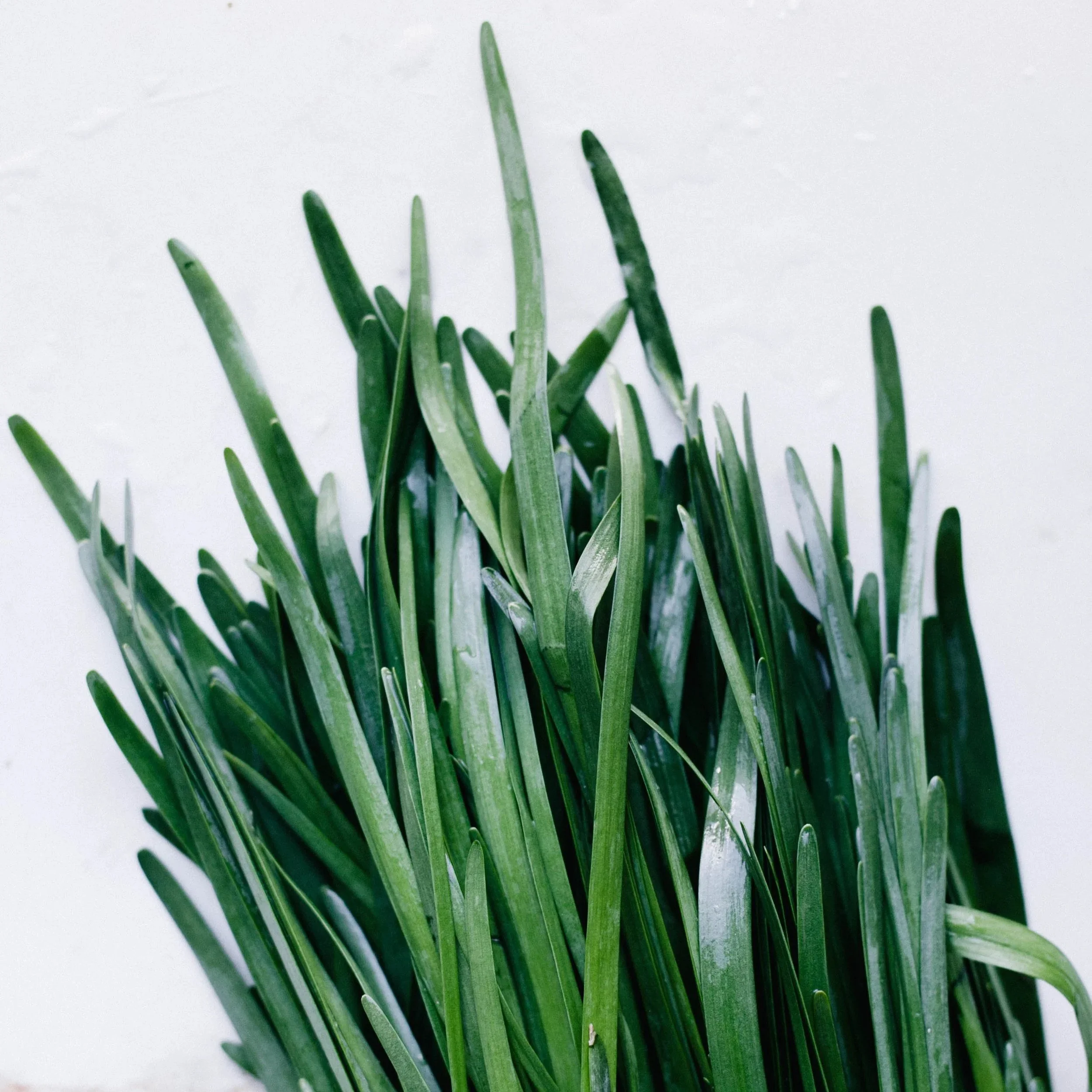
Jiucai, or Chinese chives, were a vegetable I’d never seen in the UK, but in northern China they are everywhere – folded into dumplings, stuffed into xian’r bing or baozi, and stir-fried with egg. They remind me a little of wild garlic: strong, punchy and definitely not for everyone. Their strong flavour is often paired with pork where it can cut through the fattiness.
Garlic Shoots/Scapes | 蒜薹
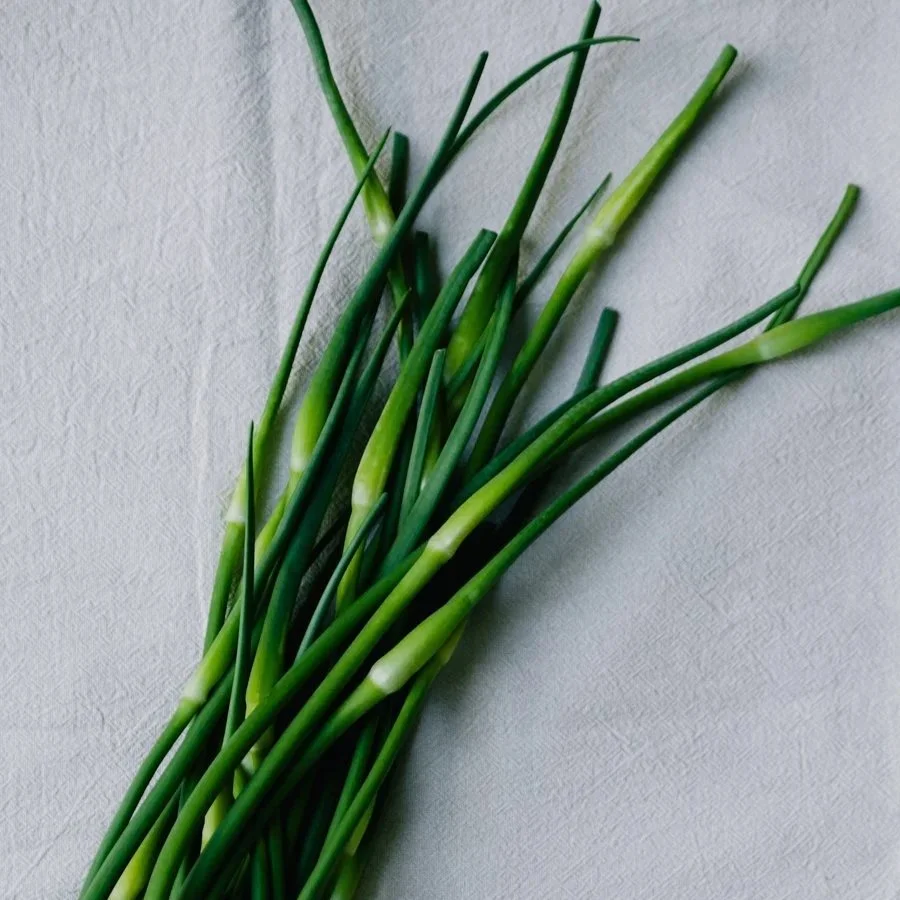
Garlic shoots are much loved and extremely common in China, but still something of a novelty in the UK. They have the texture of a firm green bean, with a hint of sweet garlic. They make a perfect vegetable side dish, simply stir-fried with chilli, soy sauce and vinegar. In Qingdao recently, I had them deep-fried with squid, which worked remarkably well.
Celtuce | 莴笋
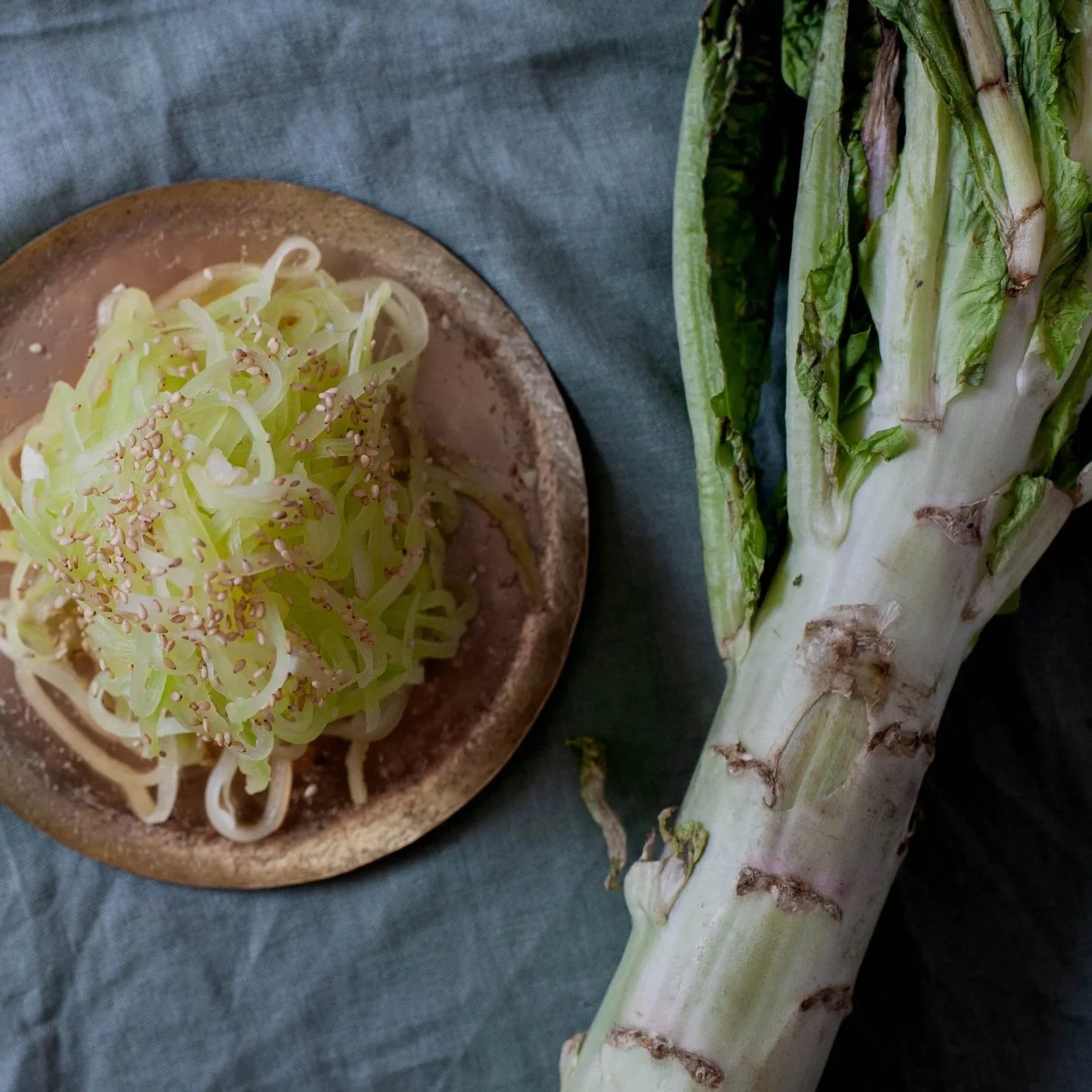
When I first saw stacks of the thick green stems from celtuce (or stem lettuce), I had no idea what they were or how to eat them. Eventually I learnt that the prep is quite easy: simply feel away the thick skin, shred the pale green flesh, dress and eat as a cold side dish. The flavour is subtle and fresh, somewhere between cucumber and lettuce.
Winter Melon | 冬瓜
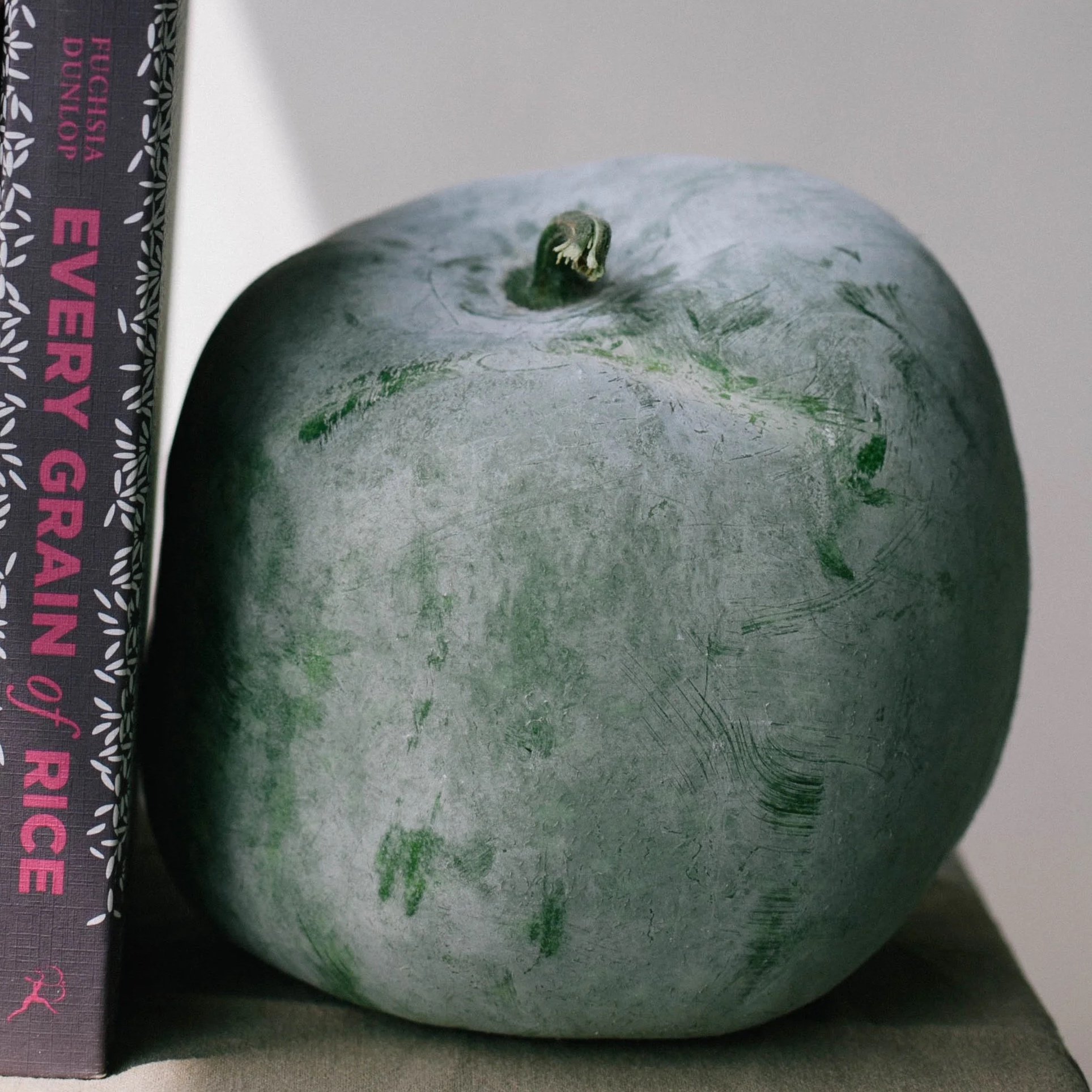
There are hundreds of melons in China that I’d never come across before and even the farmers selling them sometimes don’t know the names. The famers bring them into the city in late summer, selling them out the back of their pick-ups on the road-side. These are usually sweet and syrupy, almost indulgent. But winter melon is in a world of its own. It’s treated as a savoury vegetable that is ready in autumn. Its pale flesh is simmered in soups, broths and stews as we might treat a turnip in the UK.
Sand Onion | 沙葱
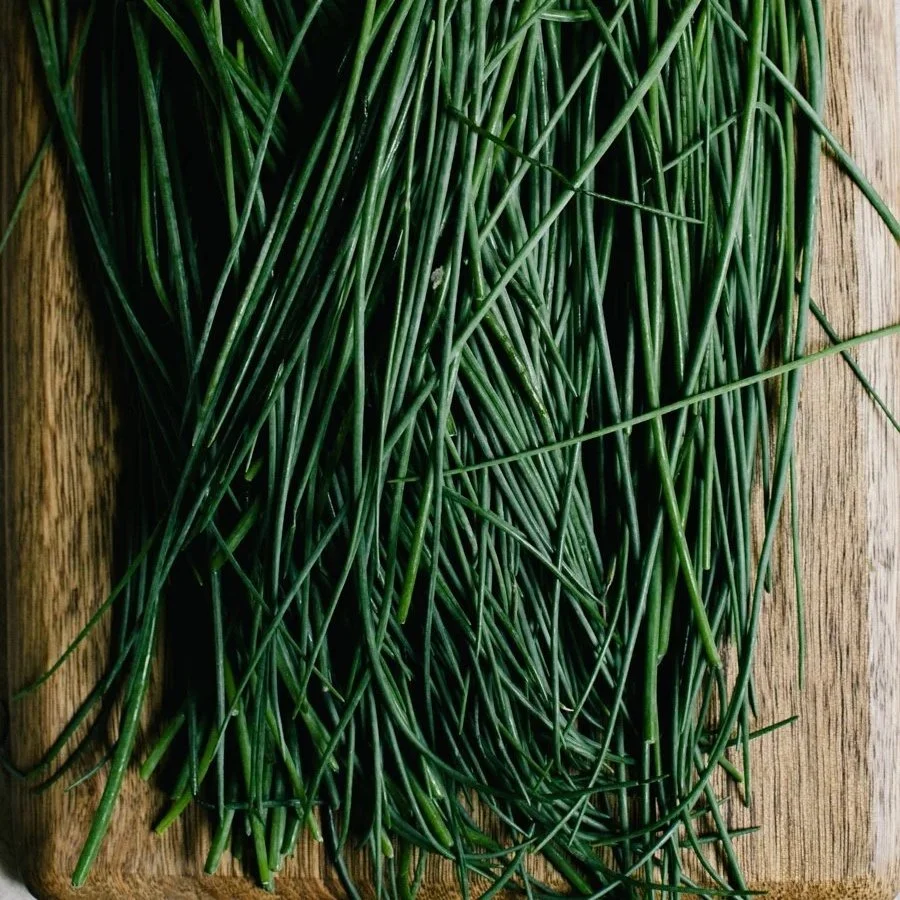
Inner Mongolia’s landscape doesn’t yield many greens, but sand onion is a reliable crop, growing in the sandy edges of the desert. It appears in most Inner Mongolian kitchens, often served cold. I love the flavour: somewhere between chives, onions and wild herbs. But the further away from Inner Mongolia you get, the rarer it seems. I can find it in some veggie stores in Beijing, but by the time you get to Shanghai, it’s all but disappeared.
MUSHROOMS & DRIED PLANTS
Hazel Mushrooms | 榛蘑
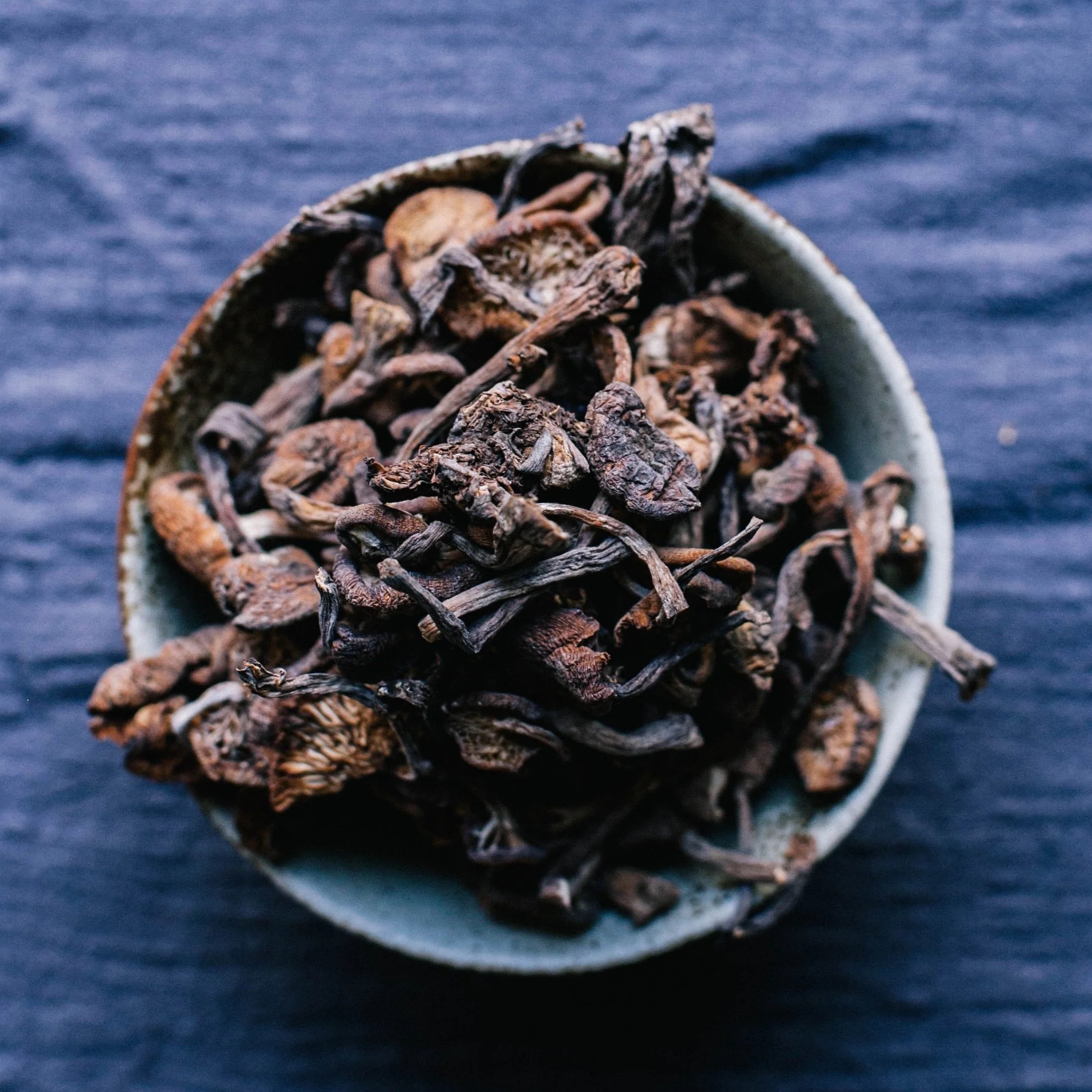
There is a whole world of mushrooms in China that would take a lifetime to explore. Hazel mushrooms come from the forests of northeast China and are commonly dried and used later in stews. For me, there is no other mushroom quite as earthy and umami-rich, it might be my favourite mushroom of all time. They look like small twigs in a stew, but for the curious eater, you’ll be rewarded with a wonderfully chewy and moreish mushroom.
Wood Ear | 木耳
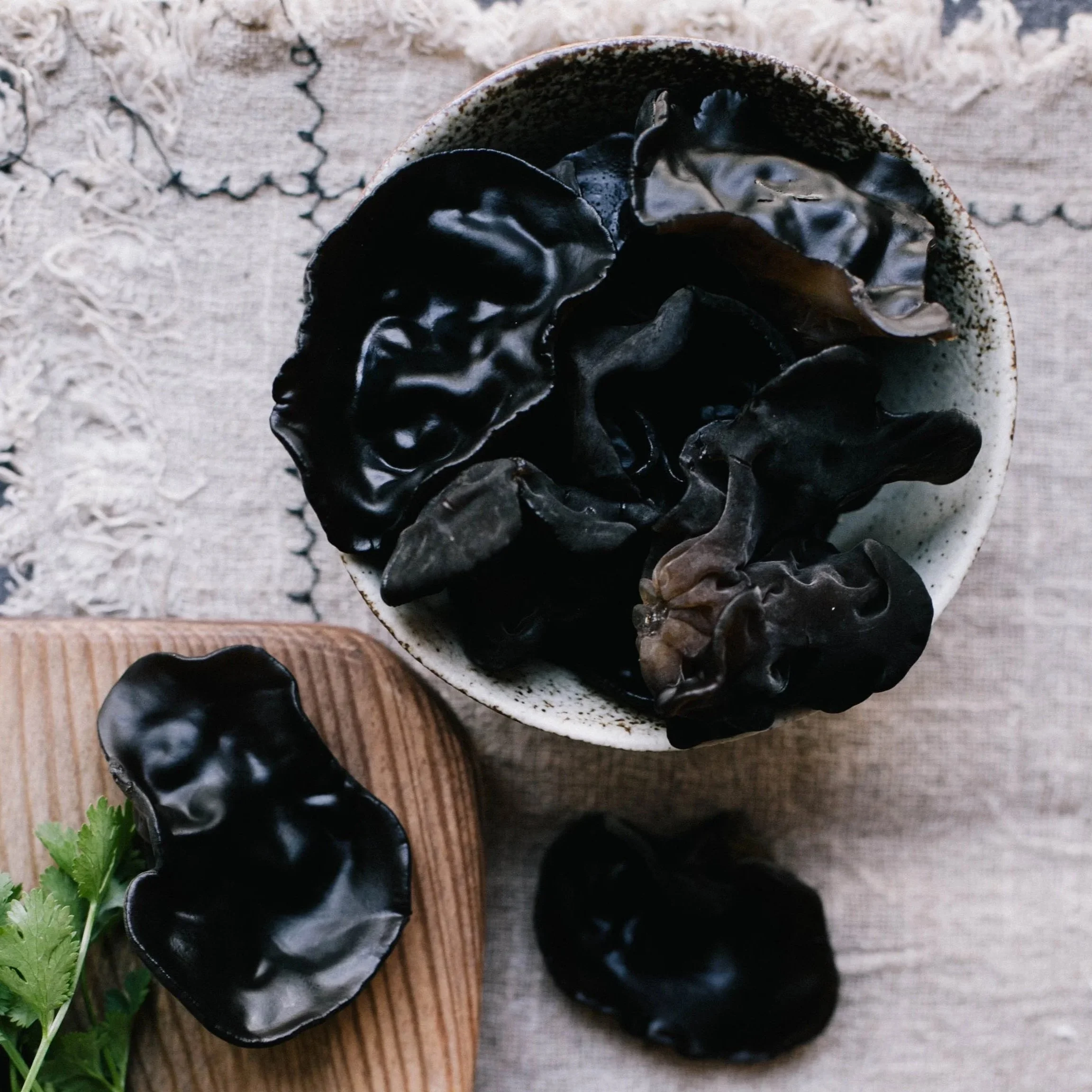
Wood ear mushrooms look like they’re from another planet: shiny and jet black, slippery and rubbery. They don’t have much flavour, but that’s not really the point. Their appeal in Chinese cooking is texture – they are described as cui (脆) crisp and crunchy, hua (滑), smooth and slippery; or nuo (糯), soft and tender. They’re often added to soups, broths and stir-fries for that distinctive mouthfeel.
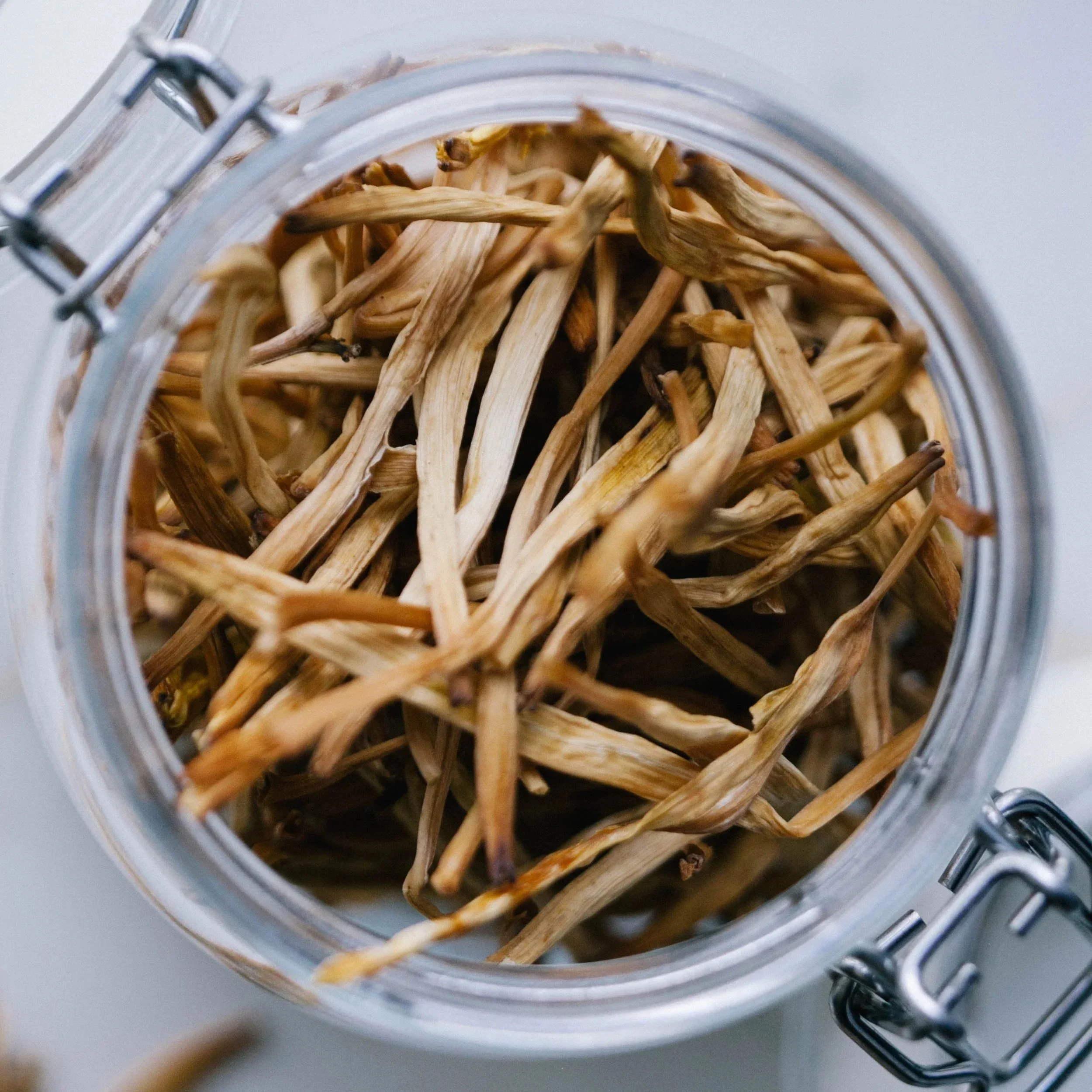
Lily Buds | 黄花菜
These slender, golden dried flowers look quite unusual, and I can’t think of anything remotely similar in Western cooking. Once rehydrated, they become chewy and hold their bite even in long-simmered broths, absorbing the surrounding flavours and adding subtle floral notes. You’ll find them hidden in dishes like da lu mian and Mu Xu Pork, scattered through stir-fries, or simply blanched and dressed with sesame oil.
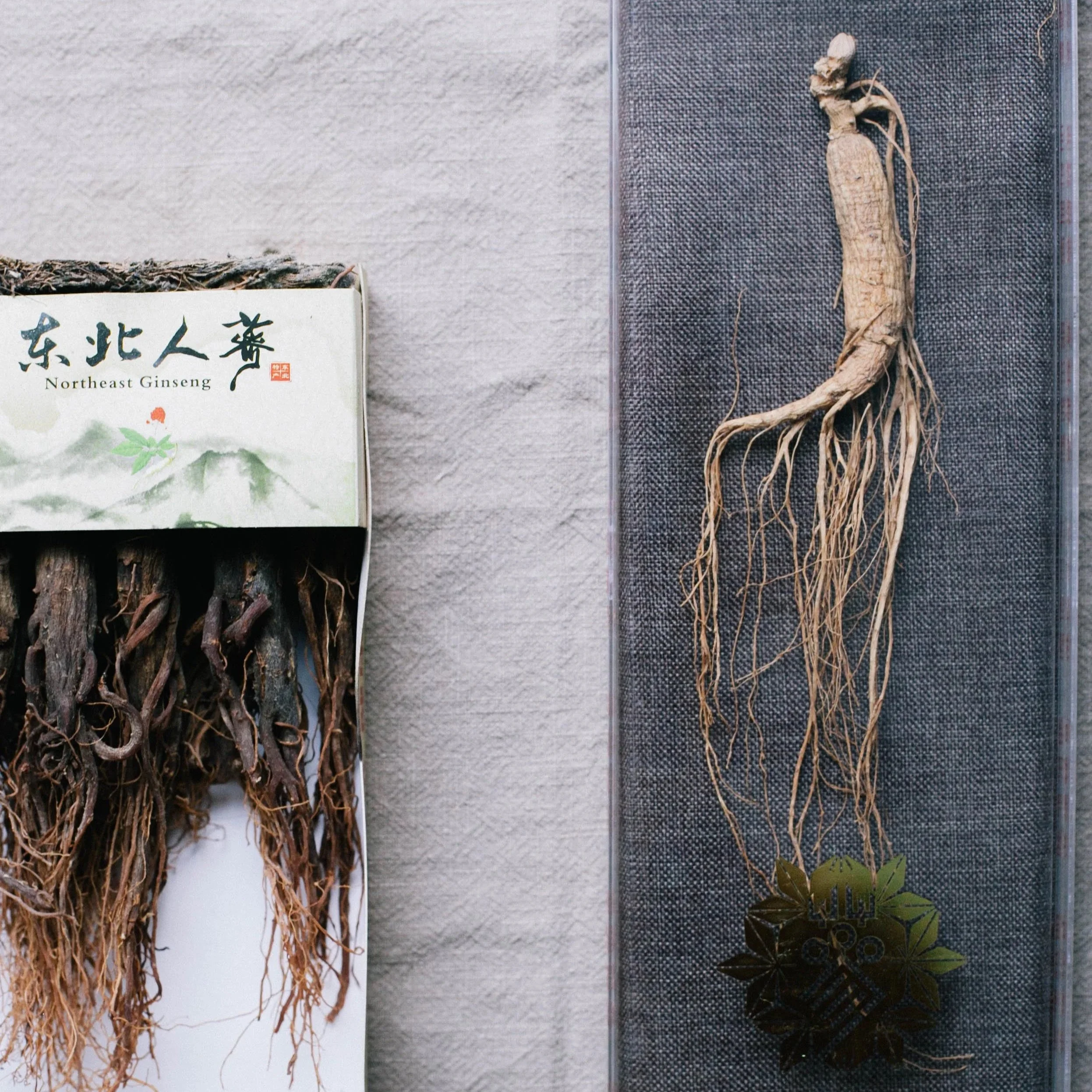
Ginseng | 人参
If there is one root that rules them all in China, it’s ginseng, long prized in Traditional Chinese Medicine. The dried root looks like a little human figure, forked and gnarled, and its flavour is unmistakable: intensely earthy, faintly bitter, with a strange lingering sweetness. It isn’t an ingredient you use casually – a little goes a long way. Simmered slowly with chicken in a soup, it adds a warming, almost medicinal depth. In China, where food and medicine often intersect, ginseng feels less like the supplement Westerners might know and more like an ingredient in its own right.
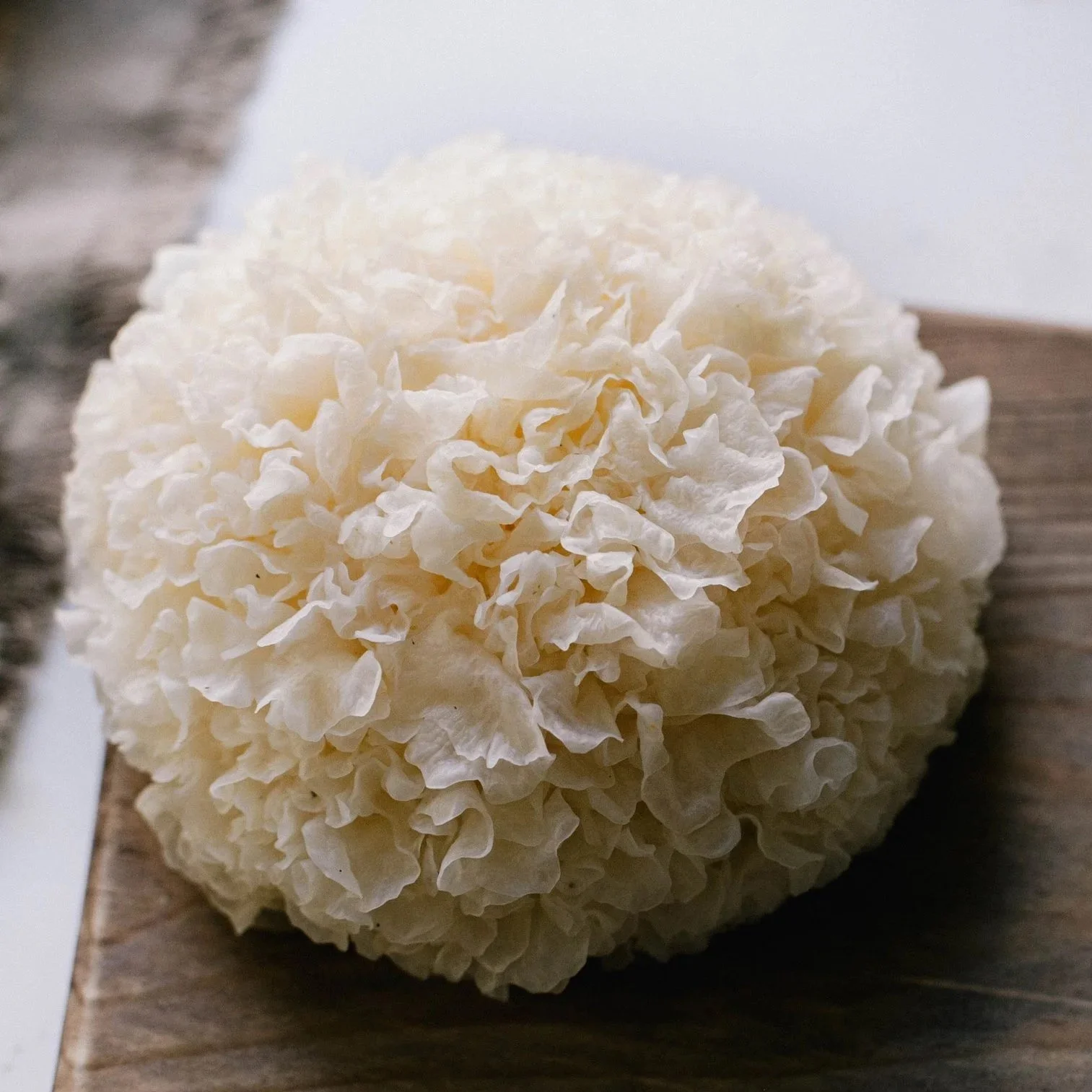
Snow Fungus | 银耳
Where wood ear offers crisp resistance, snow fungus is its opposite: pure softness. Dried, it looks like a pale, crumpled paper flower; soaked, it becomes delicate and gelatinous, with frilly edges that tremble like jelly. It has almost no flavour, but again, it’s prized for texture – a blank canvas for sweet or savoury dishes. I really wasn’t a fan the first time I ate it - it was simply toonovel for me to understand, but I slowly grew to love it, and now enjoy the act of spooning up snow fungus like edible clouds.
FRUITS
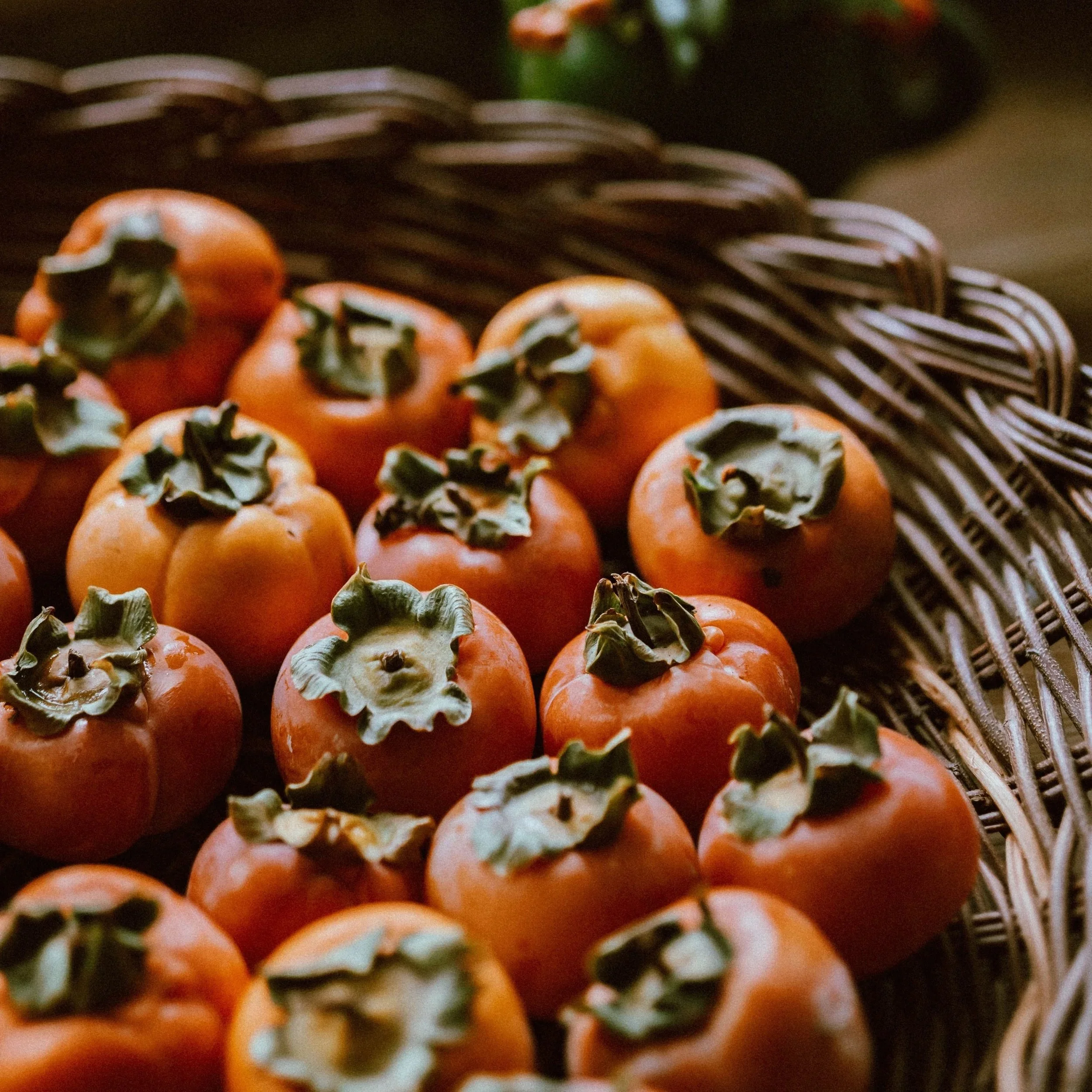
Persimmons | 柿子
You can buy persimmons in most supermarkets in the UK, but what I didn’t know was how many types there are – small, kiwi-sized ones, huge, bell-pepper-sized ones, and everything in between. And then there’s the texture: some crunchy like an apple, others so soft and creamy, the flesh like golden custard that you eat with a spoon, the skin barely holding it together. The first day I arrived in Beijing, I was exploring Ditan Park and the gardener gave me a huge persimmon as he asked me a few questions I struggled to answer. It was so soft I carried it back to the hotel like an overinflated water-balloon and ate it, as it gushes orange juice all over the desk.
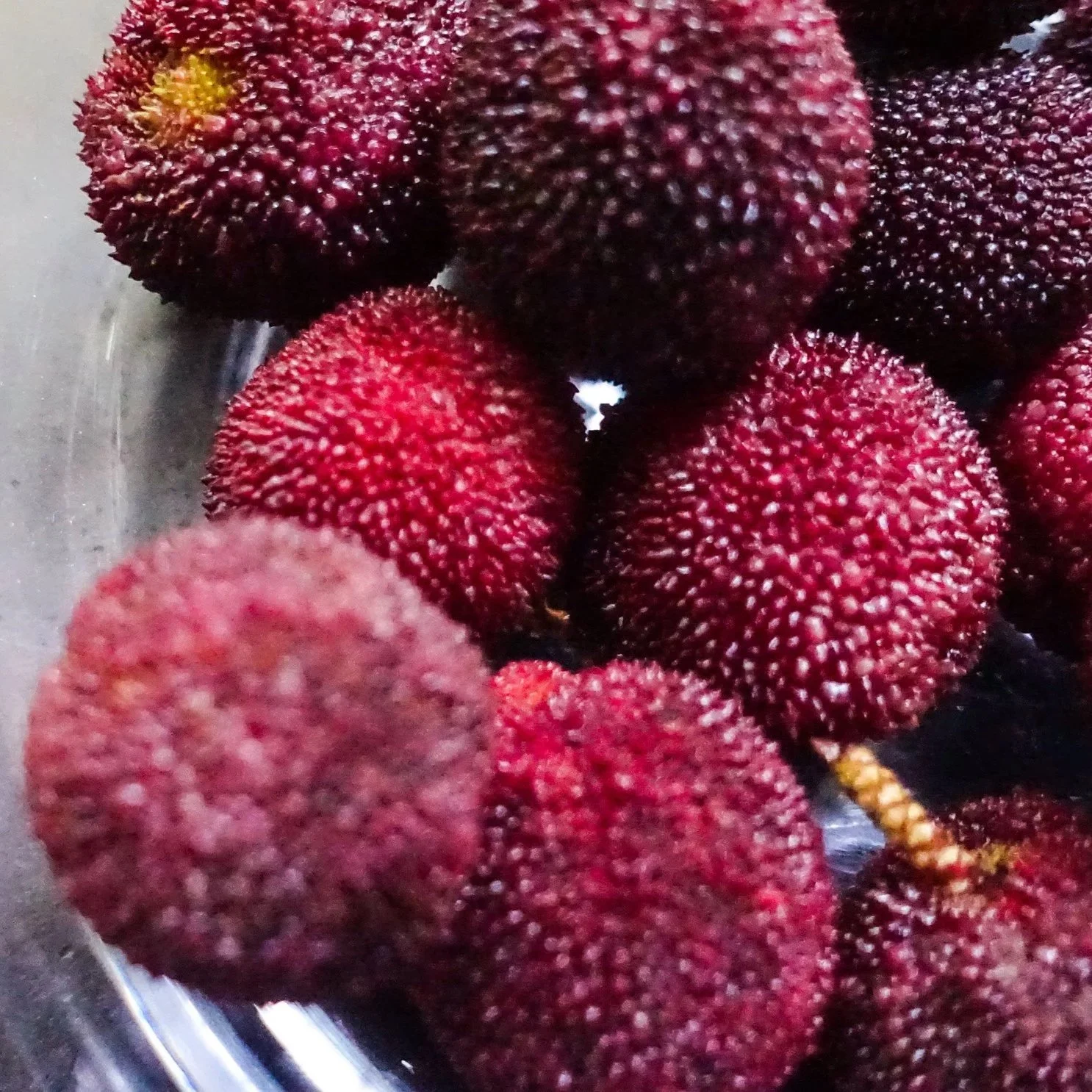
Bayberries | 杨梅
Sweet, tart and incredibly juicy. Bayberries look like tiny crimson pinecones and when you bite into one, it’s like biting through a sponge, in a good way. They are a fleeting pleasure, arriving with the humid rush of early summer and disappearing just as quickly. Eating them is a joy: you pop them whole into your mouth, roll the fruit around to strip the tart-sweet flesh from the large central stone, and spit the seed out.
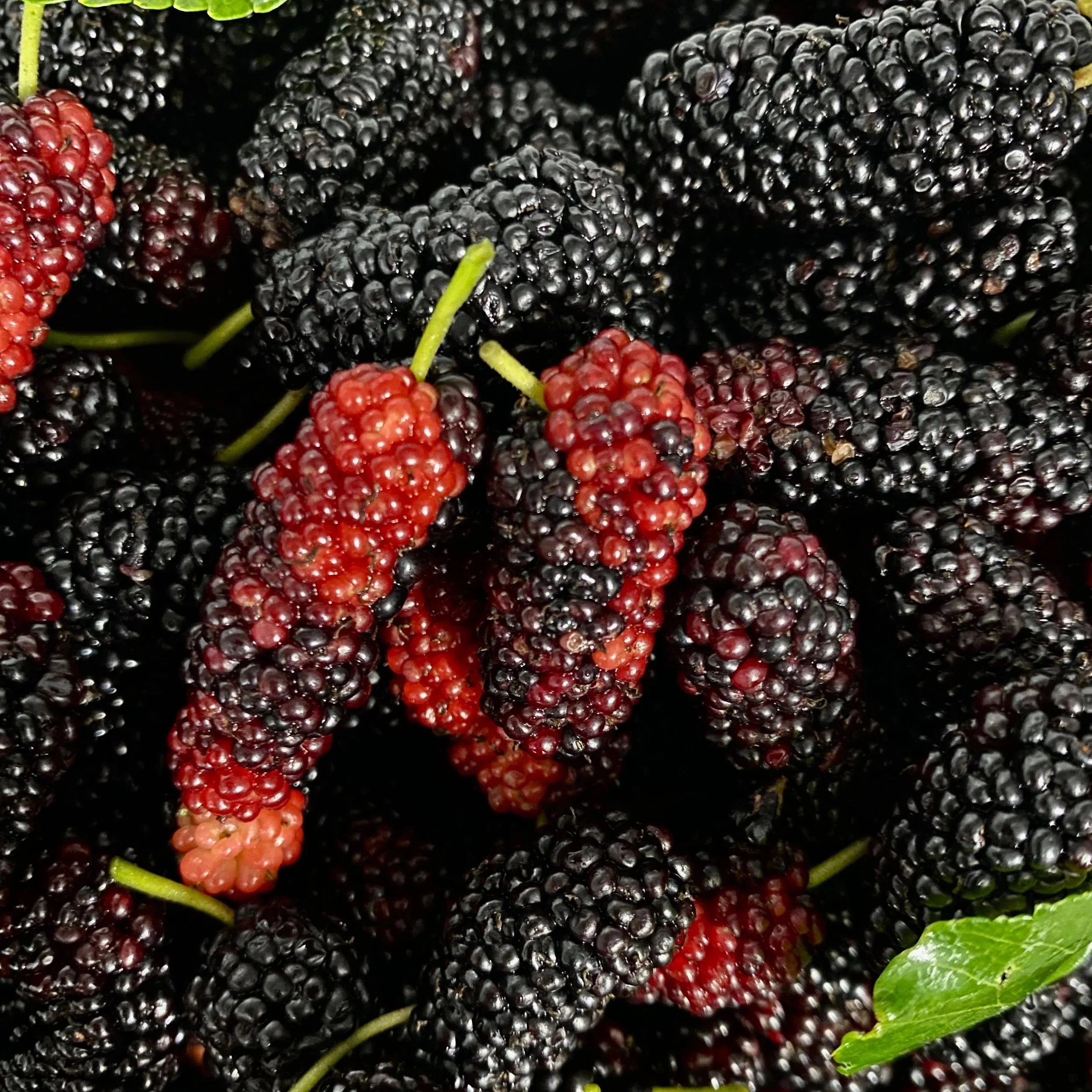
Mulberries | 桑葚
Fresh mulberries are quite rare in the UK; I’d only come across them a few times at farm shops. They look like elongated blackberries, but the flavour is deeper and more wine-like, with a mellow sweetness and none of the sharp acidity. They appear in the summer months in China, transported in small punnets lined with soft sponge as they are incredibly delicate. Their delicacy is both the problem and the pleasure: they bruise almost immediately, and eating them fresh turns your fingers and tongue an inky purple. I bought them dried last time I was in Xinjiang and have been making mulberry kombucha with them ever since.
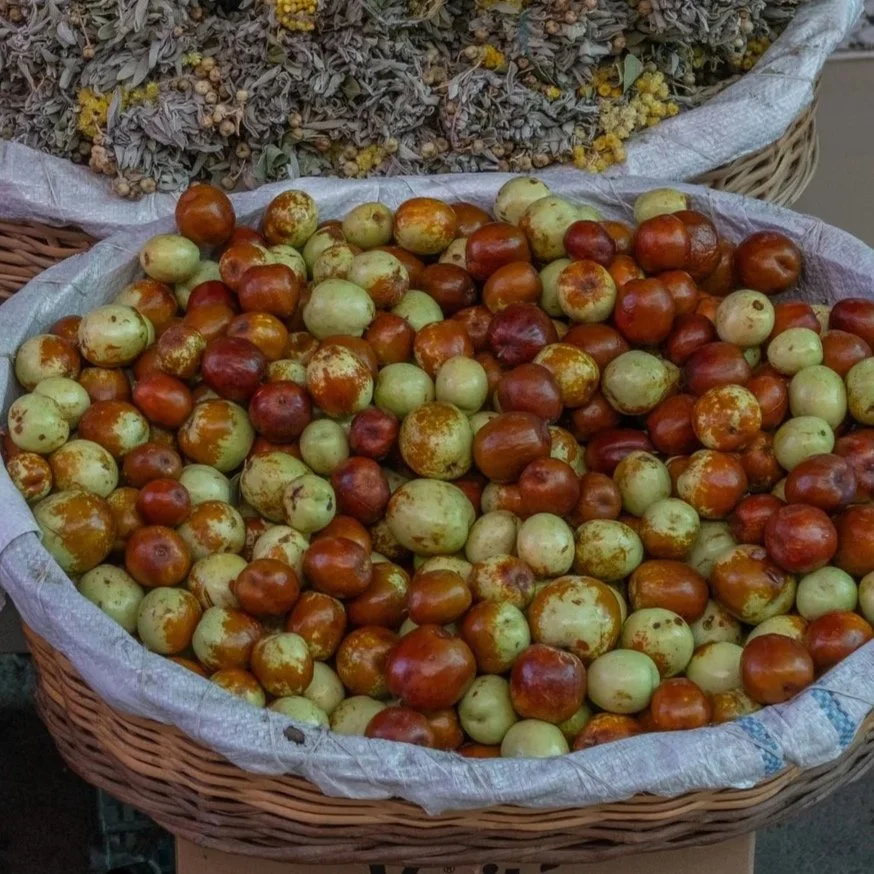
Fresh Jujubes | 鲜枣
The first time I ate these, I thought they were tiny apples. The Chinese sometimes translate them as ‘dates’, which confused me even more. Later I learned they are the fresh version of the often-dried jujube. When fresh, the skin is green with woody-brown spots and the texture is exactly like a firm apple, but the flavour is lighter and more floral, with a subtle honey sweetness. They’re an autumn fruit, piled high in markets, and I find them endlessly snackable.
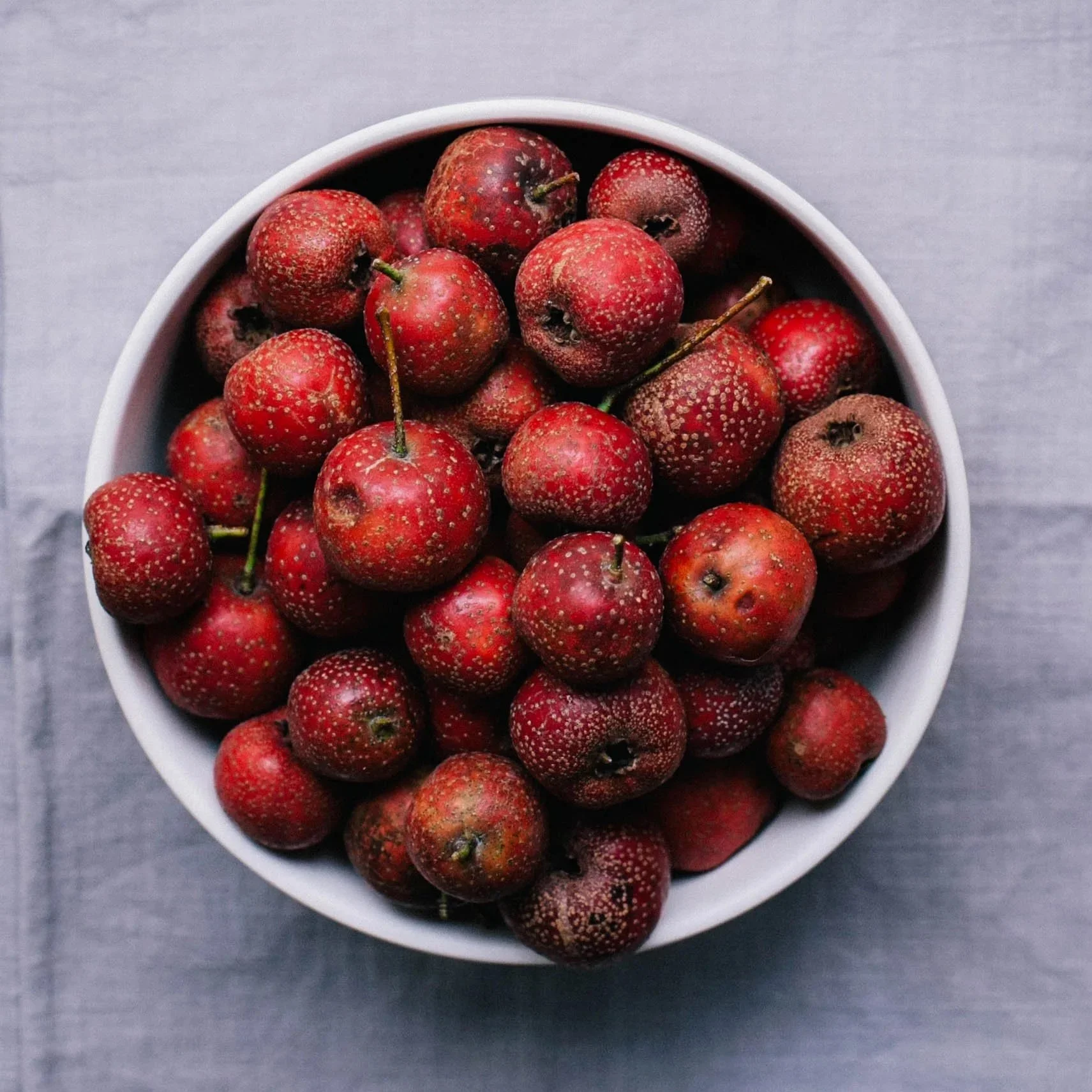
Hawthorn | 山楂
The fresh fruit looks like a bright red crabapple, but bite into one and your mouth floods with an almost violent sourness. It is this intensity that makes hawthorn so beloved in China, where it is often paired with sugar to balance its sharpness. It is a northern fruit, most famously associated with the Beijing street snack tanghulu – whole hawthorn berries skewered and coated in a hard caramel shell, like tiny candy apples.