
12 Tips from A Year of Newsletters
In July 2025, I started my monthly newsletter. A super short, 5-minute wrap-up of what I, as Tea & Oranges, had been up to over the past month. But as I know from experience, newsletters get easily lost, pushed to the corners of our bursting-at-the-seems inboxes.
It makes even my favourite newsletters ephemeral, little snapshots of a place in time, never to be found again. But this week, I thought I would compile my sections together over a couple of weeks. Each month I present a quick tip a quick tip I’ve picked up from the Chinese kitchen, I make a difficult choice and pick the best dish I ate that month and share what I am reading.
Part 1 - 12 Tips from the Past Year
1. How to Cook Glutinous or Sticky Rice
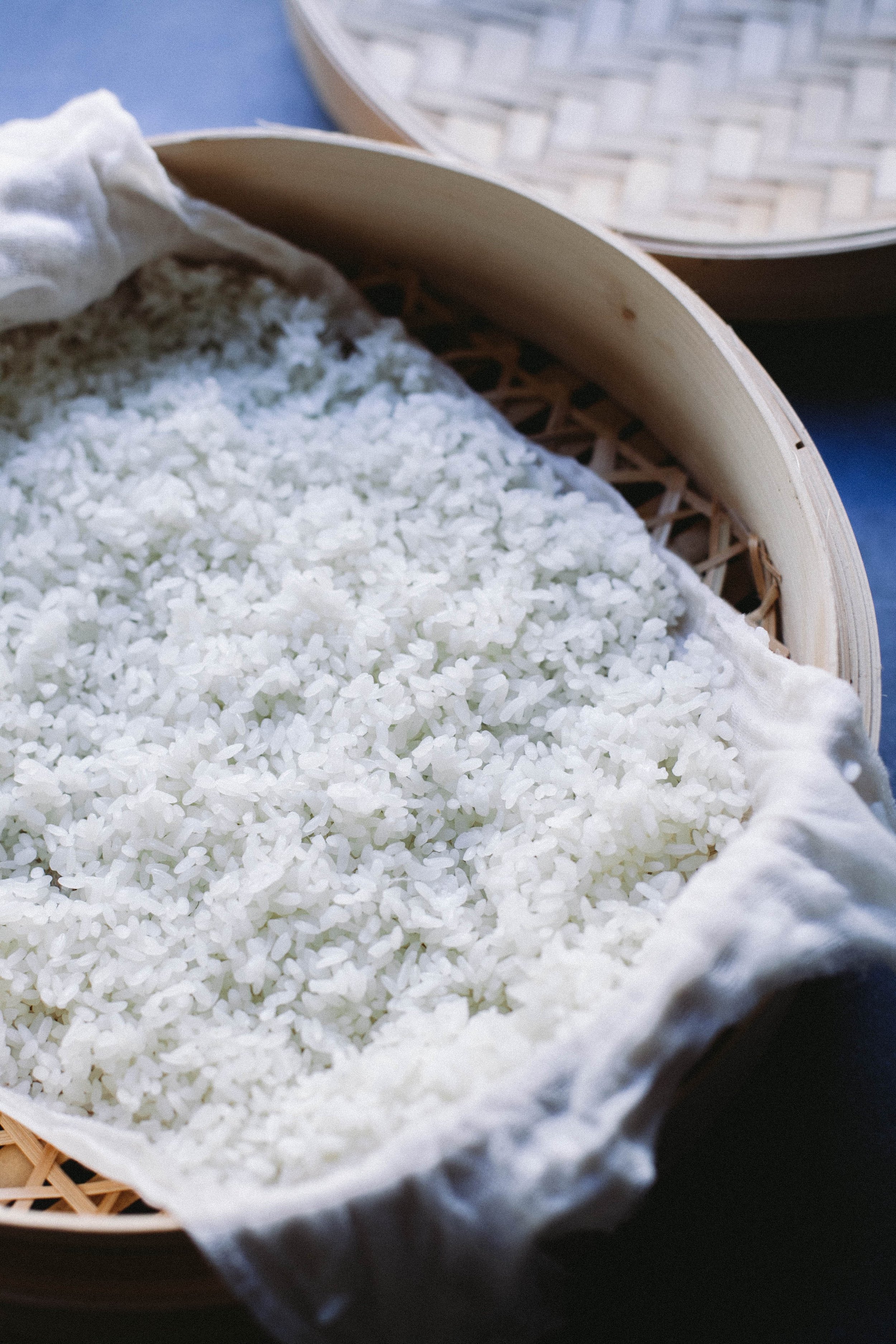
We cannot treat sticky rice in the same way as longer grains. Boiling sticky rice will quickly result in a mush. However, I often find steaming it can result in grains that turn too hard once cooled. My original tip was to soak for 2 hours, parboil for 6 minutes and then steam for 12. However, I since learnt an even better method when recently making the Beijing desert Ai Wo Wo. Soak the rice for at least 4 hours (or overnight). Drain the rice and place in a steamer lined with a damp cheesecloth and steam for 15-20 minutes. Transfer the rice to a bowl, pour over boiling water whilst stirring continuously. The rice will become almost porridge-like. Then steam for another 15 minutes and the sticky rice will remain sticky but not too mushy, once cooled. Perfect for recipes such as my Xinjiang Zongzi.
2. Scallion Oil - The Secret of Flavour
The secret to many Chinese dishes (and this amazing pumpkin dish) is scallion oil - spring onions cooked low and slow in oil until the savoury and sweet flavour melts out. If you have the patience, an hour on a low heat will reward you with a concentrated onion-depth that reminds me of cheese-and-onion crisps.
3. Pine Nuts & Pine Mouth
There are many varieties of pine nuts. A friend of mine learnt the hard way that cheaper varieties, if eaten in large quantities, can cause ‘Pine Mouth’, a reaction in the body that causes complete loss of taste. In China, Korean Pine (红松子) is the best option to avoid pine mouth. If in the US and UK, the cheaper options are likely from imported species that can cause Pine Mouth if eaten if large quantities.
4. Ode to Cornstarch
Cornstarch doesn’t always get the credit it deserves, but Chinese kitchens couldn’t function without it. Without cornstarch, meat turns rubbery, sauces stay thin, and that restaurant-style finish is impossible to achieve. Its star role is in velveting - a simple technique where slices of meat are marinated in a thin slurry of cornstarch, sometimes with aromatics or seasonings. This creates a delicate coating that locks in moisture. Think about your last chicken stir-fry - was the meat dry as an old tissue? Velveting solves that. After marinating, a quick stir-fry in hot oil leaves the meat tender and succulent. Sometimes the best way is to coat in cornstarch, pass through a wok of hot oil, then remove and set aside. Cook the rest of your ingredients and add the meat back in at the end to avoid overcooking.Cornstarch also gives sauces that perfect, glossy finish. Sometimes recipes call for a little extra at the end to thicken things up, but restraint is key. Always add cornstarch slurry gradually - too much, and you’ll end up with a gloopy, pasty sauce. I learned this the hard way making Jing Jiang Rou Si recently when a few extra spoonfuls ruined the texture completely.
5. Pre-Boiling Meat
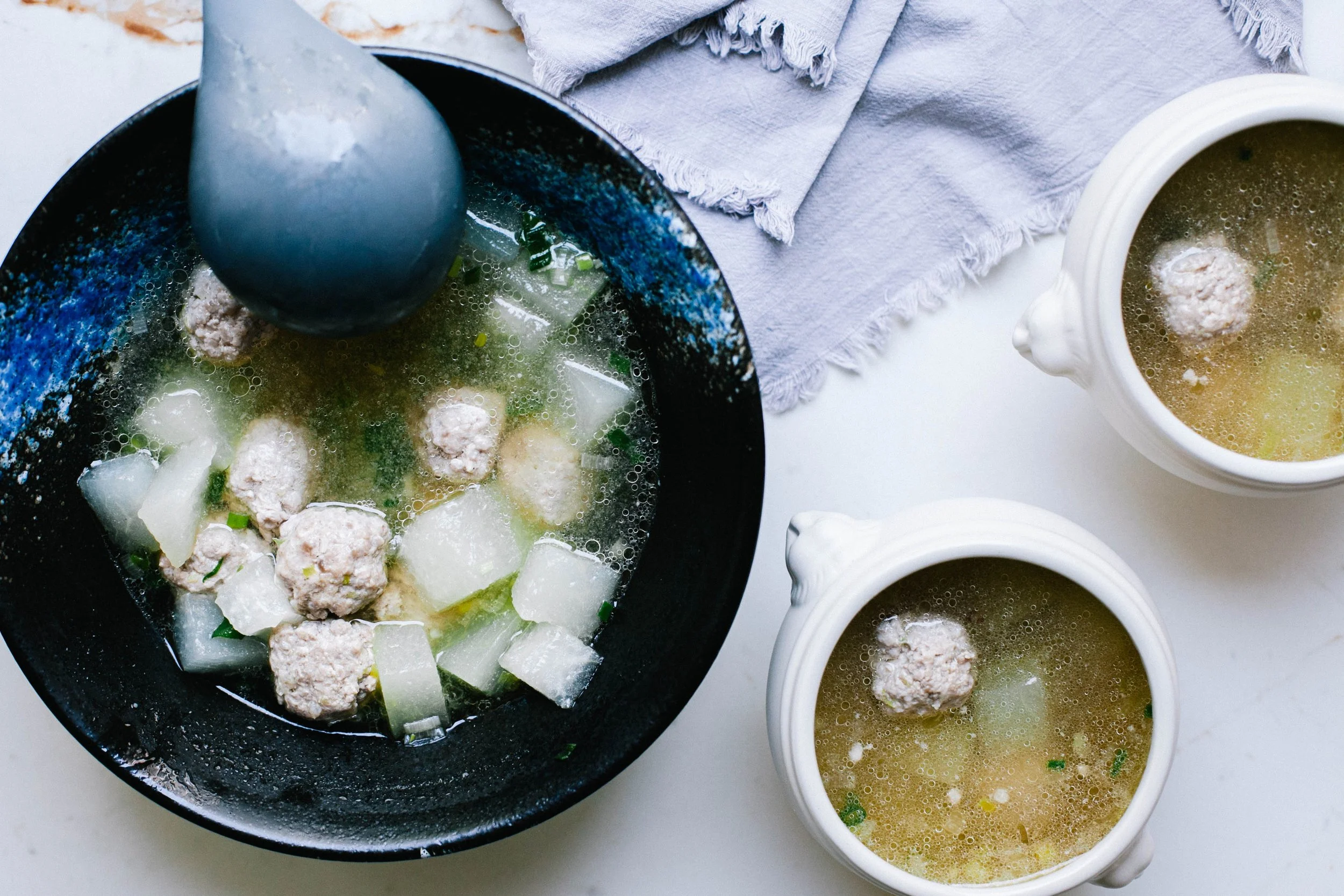
When I made the Winter Melon and Meatballs recipe this month, I dropped the pork meatballs straight into the soup and then skimmed off the scum as they cooked. However, lots of chefs in China will pre-boil the meatballs in a separate pot before adding it to the soup. It takes away any gamey flavour and keeps the broth beautifully clear. That’s a common step in Asian cooking, where clear broths are prized.
In Western cooking, we don’t see this as much - sometimes the stronger, meatier flavour is encouraged, or it just gets balanced out with herbs, wine, or other bold ingredients. But if you’re going for an Asian broth, pre-boiling is essential, as is removing the oily layer of fat on the surface. The easiest way is to let your broth cool in the fridge for a few hours until the fat solidifies. Then you can just lift it off in one easy action, leaving you with a crystal clear Asian broth.
6. The Joys of Century-Eggs
Chinese Century Eggs (also know as Thousands Year Old Eggs or Preserved Eggs) are seen as one of these weird foods that the Chinese eat. They crop up on social media as a kind of ‘dare food’, which completely misses the point. Sure, they certainly look strange: black orbs with a green gooey centre. And if you ate one like you would a boiled egg, it’s not going to be that pleasant. However, ignore all that and use them sparingly, and you’ll be rewarded. They are not necessary strong, but they do have a unique taste and texture that works best complementing subtle ingredients - such as silken tofu or Chinese porridge, but they can also stand up to big flavours like raw garlic, chilli oil and green peppers. My suggestion is give them a try, but just know they’re not a ingredient to snack on without other ingredients.
7. Cooking Fried Rice and Fried Noodles the Right Way
One of my weaknesses in Chinese cooking was fried noodles (chao mian) and fried rice (chao fan) - both usually come out stodgy and wet. After a bit of research - peering into restaurant kitchens as well as reading J. Kenji Lopez-Alt’s The Wok. The solution is to pre-cook the rice or noodles, then let them cool completely. The easiest solution is to do this the day before. This allows the starches to solidify and the moisture to evaporate. For both, you’ll need to drain then coat in a small drizzle of oil and then spread the noodles or rice out on a large tray, allowing them to dry completely. After this, you can add the rice or noodles to your wok and get a perfect fried noodle or fried rice - just note, don’t add too much sauce, otherwise that will make it all wet and stodgy again. Once you’ve added the rice or noodles into the wok, my suggestion is don’t move it too much for the first few minutes. Let the heat dry out the noodle or rice, even crispy it up slightly.
8. How to Pour your Condiments
I’ve recently changed how I pour sauces into my wok. I used to just pour into the centre, watching the soy sauce, vinegar or Shaoxingwine pool at the base then slowly boil. But one day, I drizzled my bottle of soy sauce down the side of the wok and watched it sizzle immediately and meld into the stir-fry. I found the flavour of the overall dish richer and more complex. I was then reading The Wok by Kenji Lopez-Alt and he discusses the same. It turns out, this is the way it should be done. Drizzling the sauces down the size of a hot wok instantly cooks the sauce, changing the flavour and adding depth. Gone is that raw soy sauce taste or overly sour vinegar taste, and instead a subtle complexity to your dish.
9. The Fermented Food You Don’t Hear About
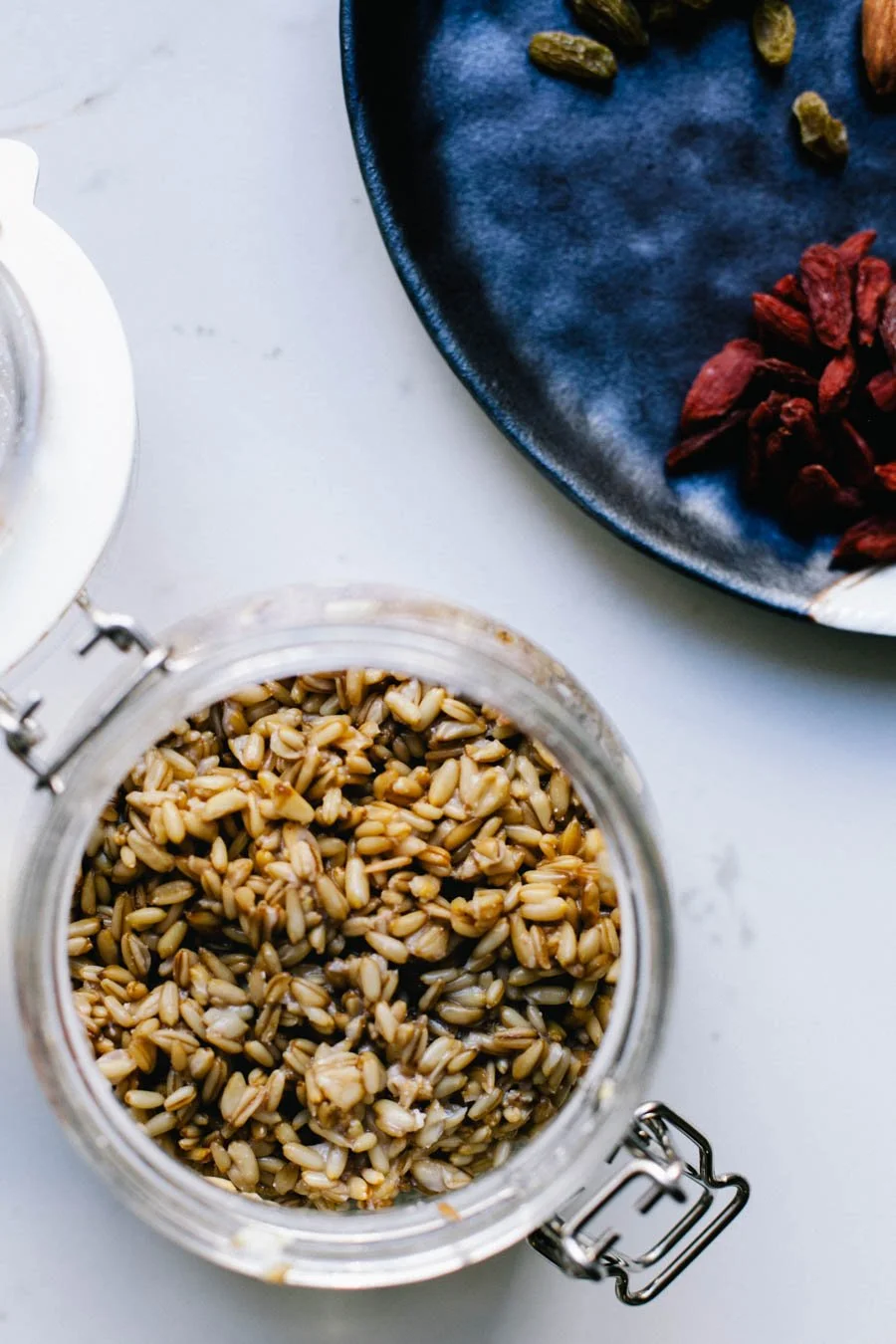
If you follow modern epidemiologists such as Tim Spector, then you know how important fermented foods are for your gut microbiome. They recommend eating three ferments a day, which sounds daunting and impossible to achieve without getting bored of the same old ferments. Tian pei zi, or Fermented Naked Oats is a great option. It was an ingredient I discovered a few months ago when I traveled to Gansu province. The end result, after the ferment, is a slightly tangy and sweet jar of oats with a moreish chewy bite - perfect spooned over yogurt.
10. How to Cook Dumplings
In the past when I cooked dumplings, I piled them into the pot of boiling water, set a timer for 6 minutes and then left them to it. Recently though, my mother-in-law was attentively standing over the pot as they boiled and I discovered that a bit of care in the boiling and you’ll be rewarded. Make sure to drop them into the water one by one quickly and then gently with a slotted spoon, move the boiling water from the edge to the centre, so the water rotates. This allows the dumplings to cook more evenly, avoids clumping together and keeps the water from boiling over. The result is evenly cooked dumplings that are all equally slippery and chewy.
11. Shanxi Black Vinegar
Northern Chinese cooking leans heavily on Shanxi black vinegar for punch and balance. Many cooks add it at the same time as soy sauce, letting it hit the heat of the wok. This builds depth, but it also softens the vinegar’s sharpness. A useful trick is to add a final splash about twenty seconds before the dish comes off the heat, or even just after plating. That last hit keeps the acidity bright, giving the dish a subtle, lively prickle. This does not replace the vinegar added in the middle of cooking - instead, most cooks give a double vinegar hit for different purposes.
12. Cooking Tofu
One of the best things about tofu is it’s creamy, custardy texture. But when it’s fried, which it often is for recipes, it can loose that texture and become crispy. For me, you’ve then lost the essence of tofu. Instead of frying until it’s a deep brown, stop when it’s golden, then you’ll get a nice thin skin with a soft custardy interior. Even in braised tofu dishes, the tofu is started off with fry just to give it a nice exterior. Buy frying too long will block the flavour absorption when braising, so my suggestion: keep your tofu frying shorter.