Mian Cha
面茶
English: Mian Cha
Chinese: 面茶
Pinyin: mian cha
Literal: Millet flour tea
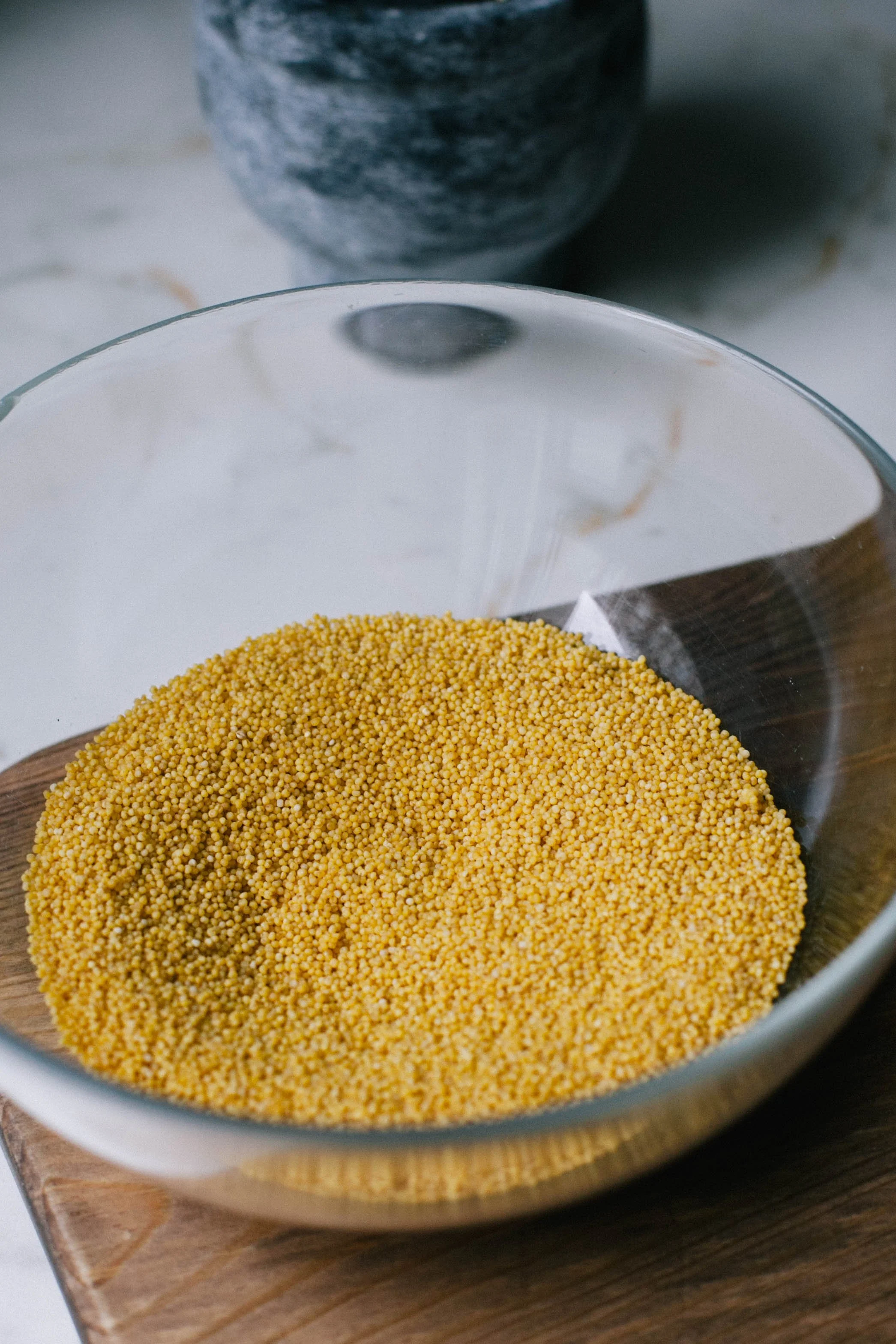
This is a taste of Han Dynasty China. Millet is oldest grain in China, with a history of sustaining dynasty after dynasty in the Northern provinces. Rice is well-known and often celebrated as the grain that helped feed China’s population, famously producing more calories per acre than almost any other grain. However, the reality is there would be no China without millet. Rice would not grow in the arid North and wheat was relatively unpopular until the technology for milling was invented. Thus, it was millet that fed those early civilisations for thousands of years.
Millet has been on a wild ride - necessary for generations and eaten by all, but it’s popularity declined and became an occasional staple in the North, eaten by farmers and never by the wealthy. But it’s slowly making a comeback with the health-conscious middle-classes of China as they move away from refined carbs like white rice or steamed white buns. Millet is packed with nutrients and high in protein so my guess is, it will have it’s day in the sun again.
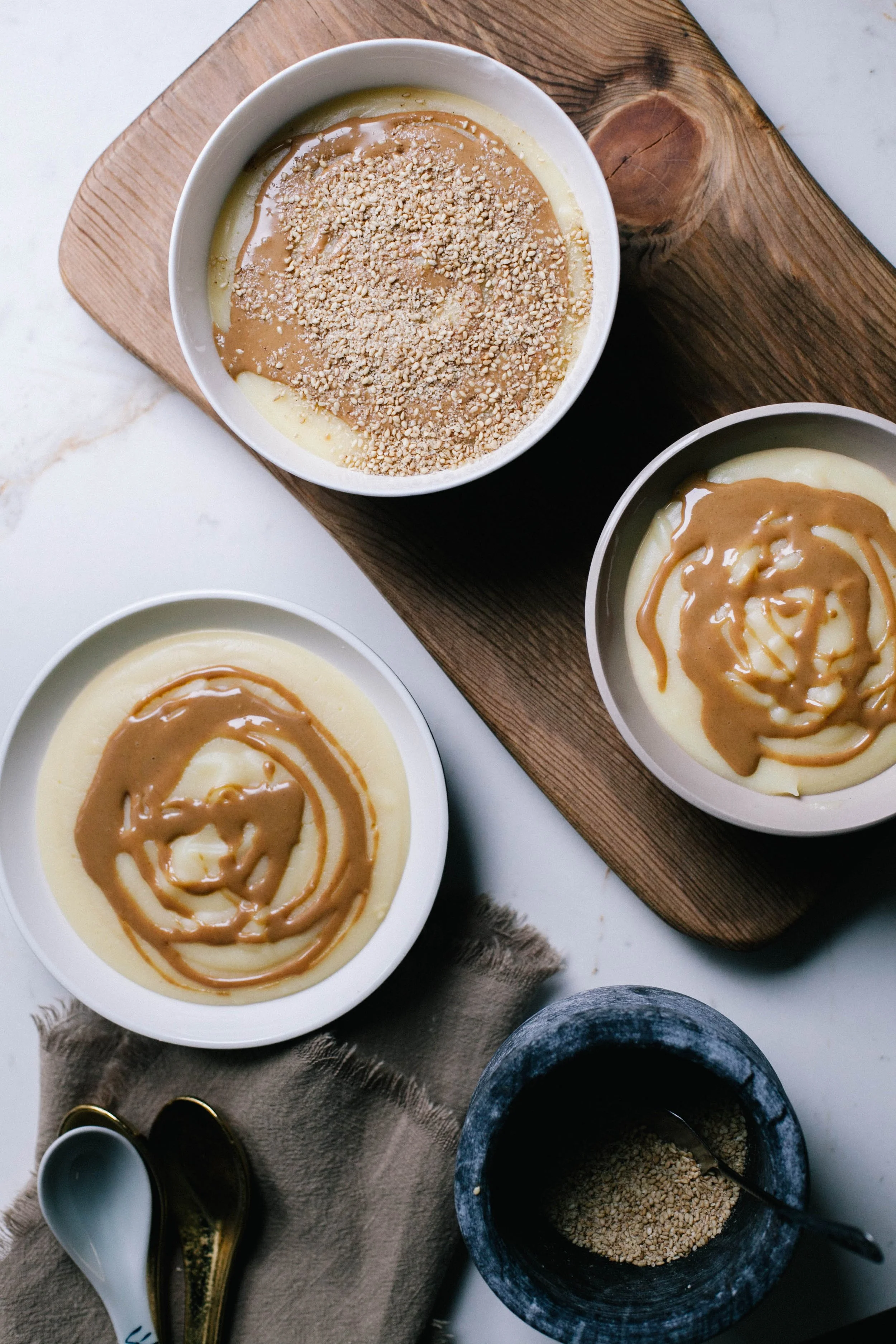
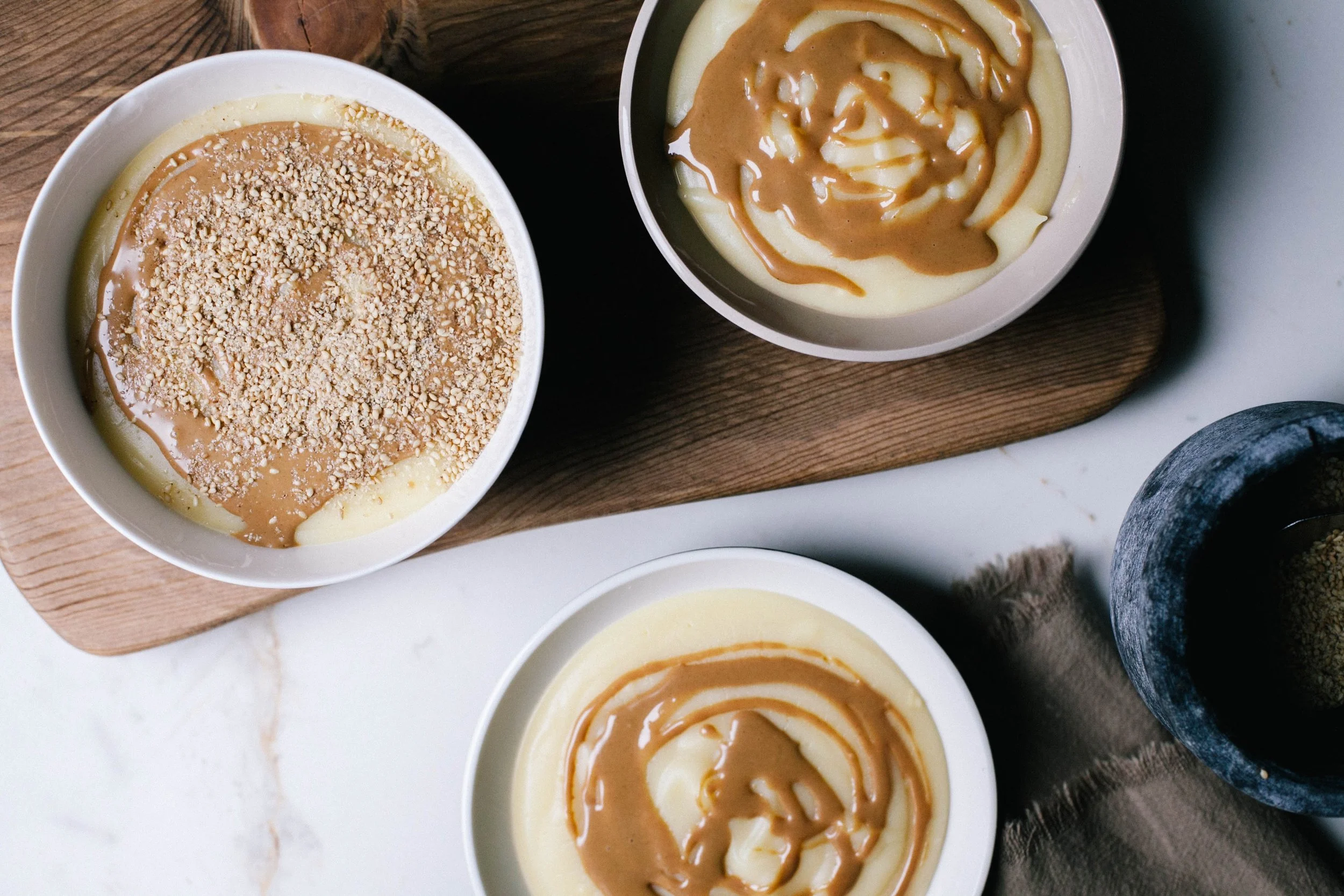
But what is mian cha? A classic Beijing breakfast made from millet flour, cooked until thick like a smooth polenta, then topped with a rich, thick sesame paste sauce. Despite the relatively few ingredients, Beijingers are very particular about mian cha. The millet flour should be cooked just right - not too thin as to be a watery porridge, but not too thick as to be a paste. If you cooked it just right, the bowl will be clean after eating, with no residue left behind (a common joke is that you don’t even need to clean the bowl if it’s cooked correctly). The thick layer of sesame paste drizzled over the top should never be mixed in, and likewise, the dusting of crushed sesame seeds stays on the top. The bowl should be brought hand to mouth, sipped from the edge so that the plain porridge slurps into your mouth with a dose of the rich paste.
Serves 4
Ingredients
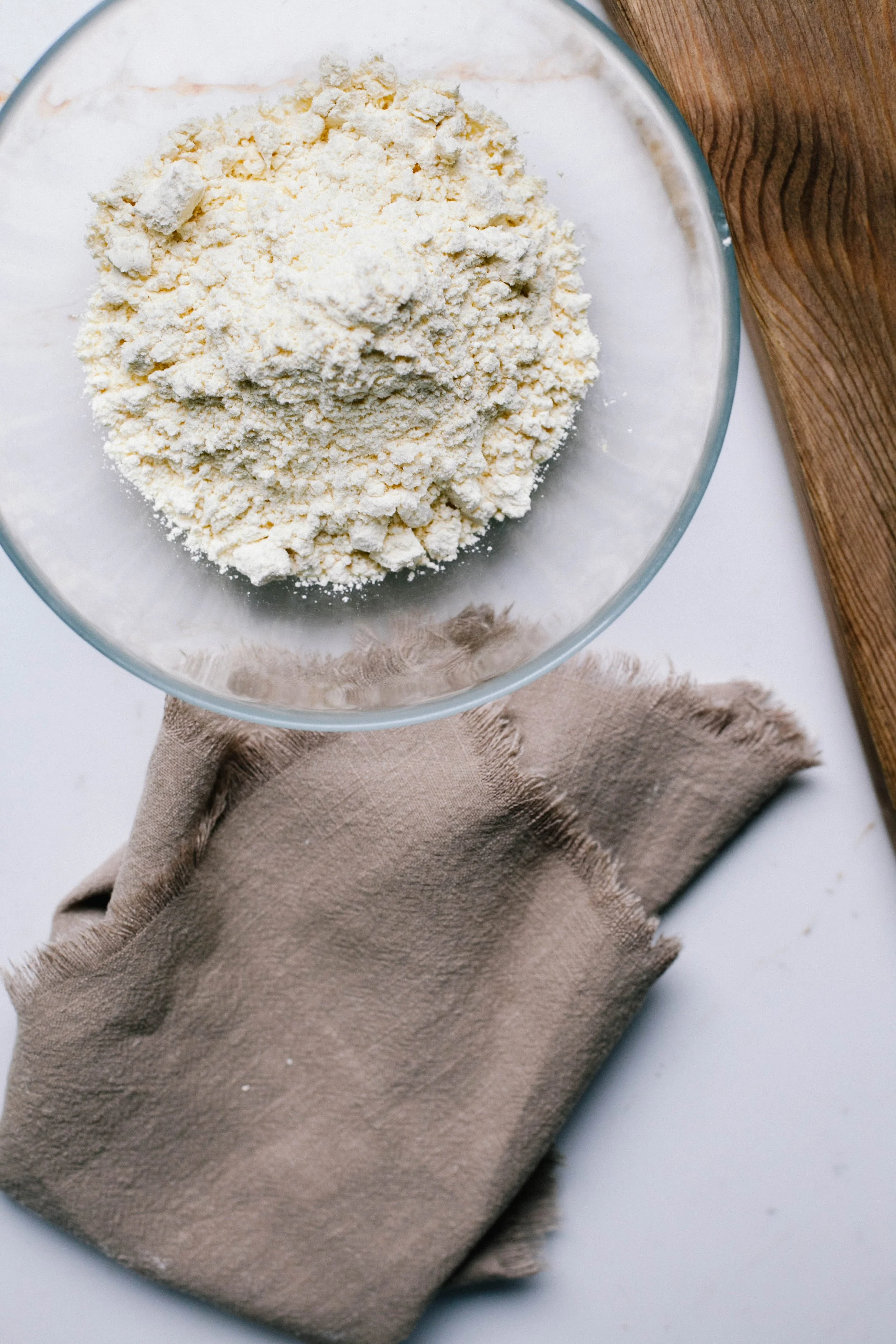
200g millet flour
900ml water
25g white sesame seeds
35g Chinese sesame paste
1.25g salt
Method
Heat a wok over a low heat and dry fry the sesame seeds for 2-4 minutes until toasted but not burnt.
Crush the seeds in a pestle and mortar until they’re coarsely crushed. Add the salt, mix and set aside.
Pour the millet flour into a bowl, then add 200ml of water and mix to a paste.
In a saucepan, heat 700ml of water. When it’s just below boiling point, pour the paste into the water slowly as you whisk.
Turn down the heat and cook the millet, constantly stirring or whisking in the pan as it bubbles, cooking for about 5-10 minutes, or until thick but not too solid - a similar consistency to a blitzed soup.
Ladle out into 4 bowls and then spoon the sesame sauce over, and sprinkle over sesame seeds.