Beijing Lao Bing
烙饼
English: Beijing Lao Bing
Chinese: 烙饼
Pinyin: lao bing
Literal: Flatbread
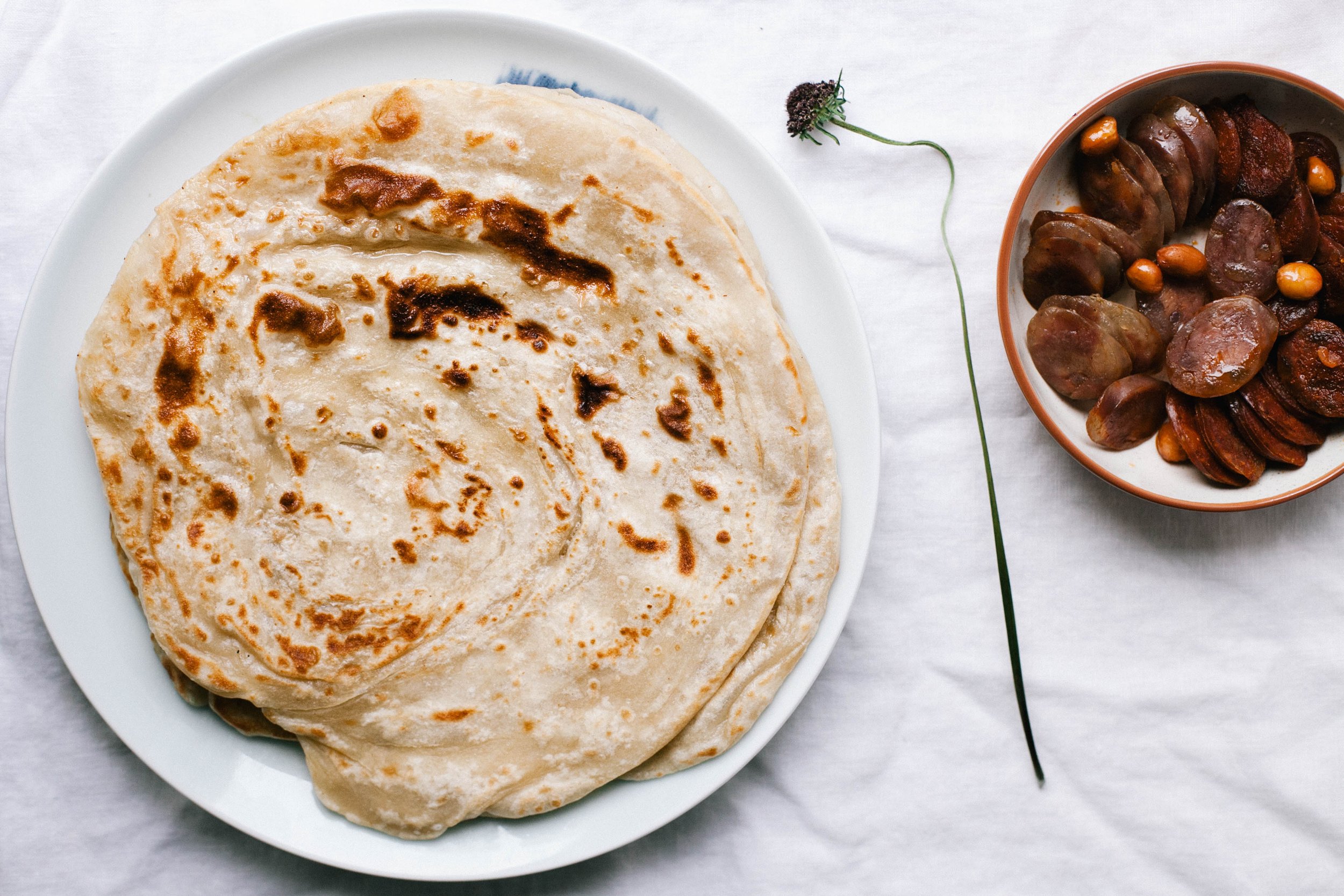
Lao Bing is a beloved stable (perhaps the staple) of Northern Chinese home cooking - simple, rustic and endlessly adaptable. The name literally means "pan-seared pancake," and while it’s often compared to a paratha or tortilla, lao bing is entirely its own thing: Chewy at the centre, golden at the edges, and best eaten hot from the pan.
This flatbread comes from the wheat-rich regions of Northern China - particularly around Beijing, Hebei, and Shandong - where wheat, not rice, is the currency of the kitchen. In these regions, the home cook might make a lao bing as a quick and filling accompaniment to a soup or stir-fry, or even as the main event of a simple meal, which is fine by me. I’d be quite happy munching my way through slice after slice of fresh lao bing.
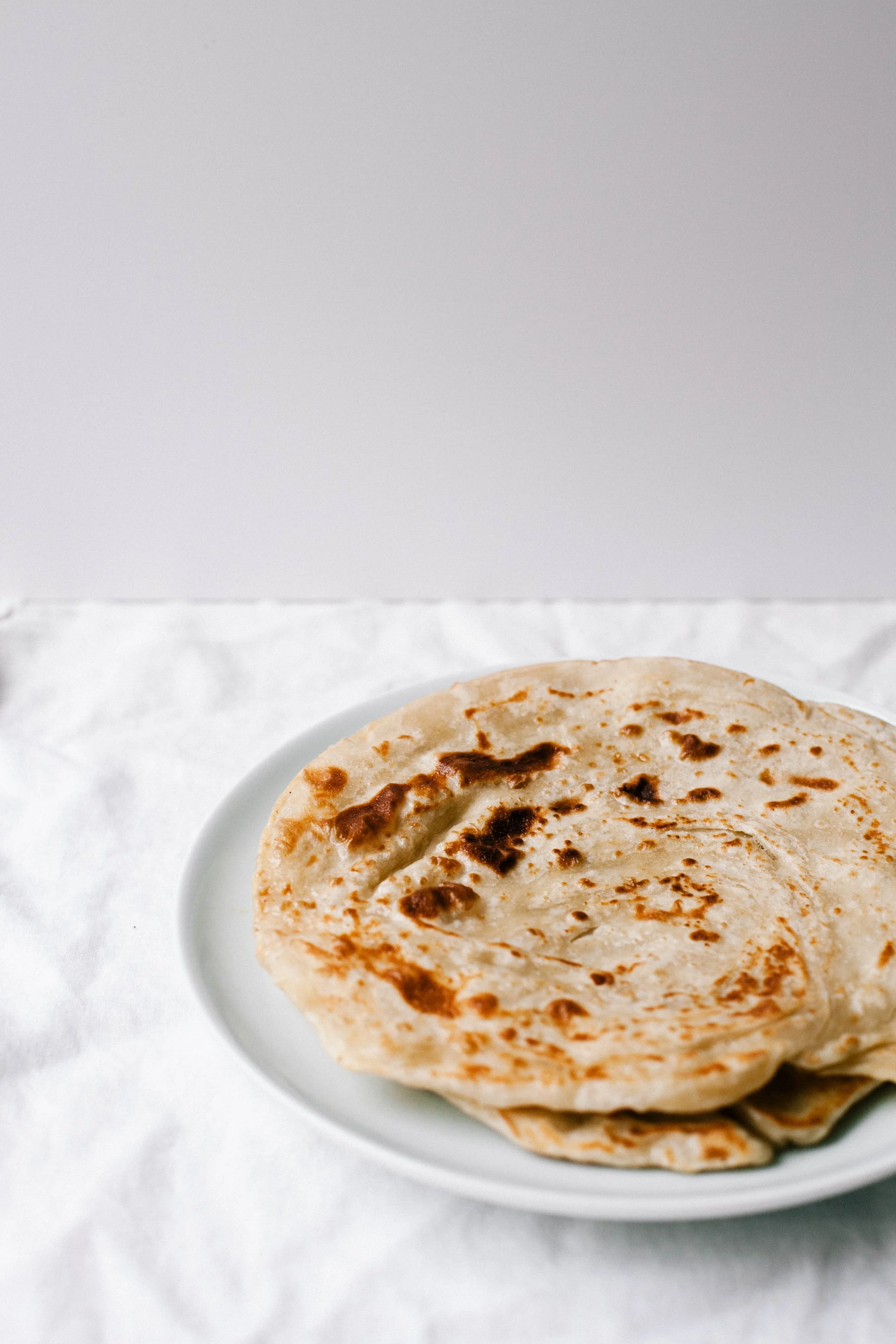
What makes lao bing so well loved is its texture: the dough is soft but layered, sometimes rolled with a swirl of scallions or brushed with sesame oil before being folded and pressed flat again. When it hits the pan, the surface blisters and browns but in Beijing, it’s taken out the pan before it turns crispy. I love the Beijing version: thick, soft and wonderfully plain.
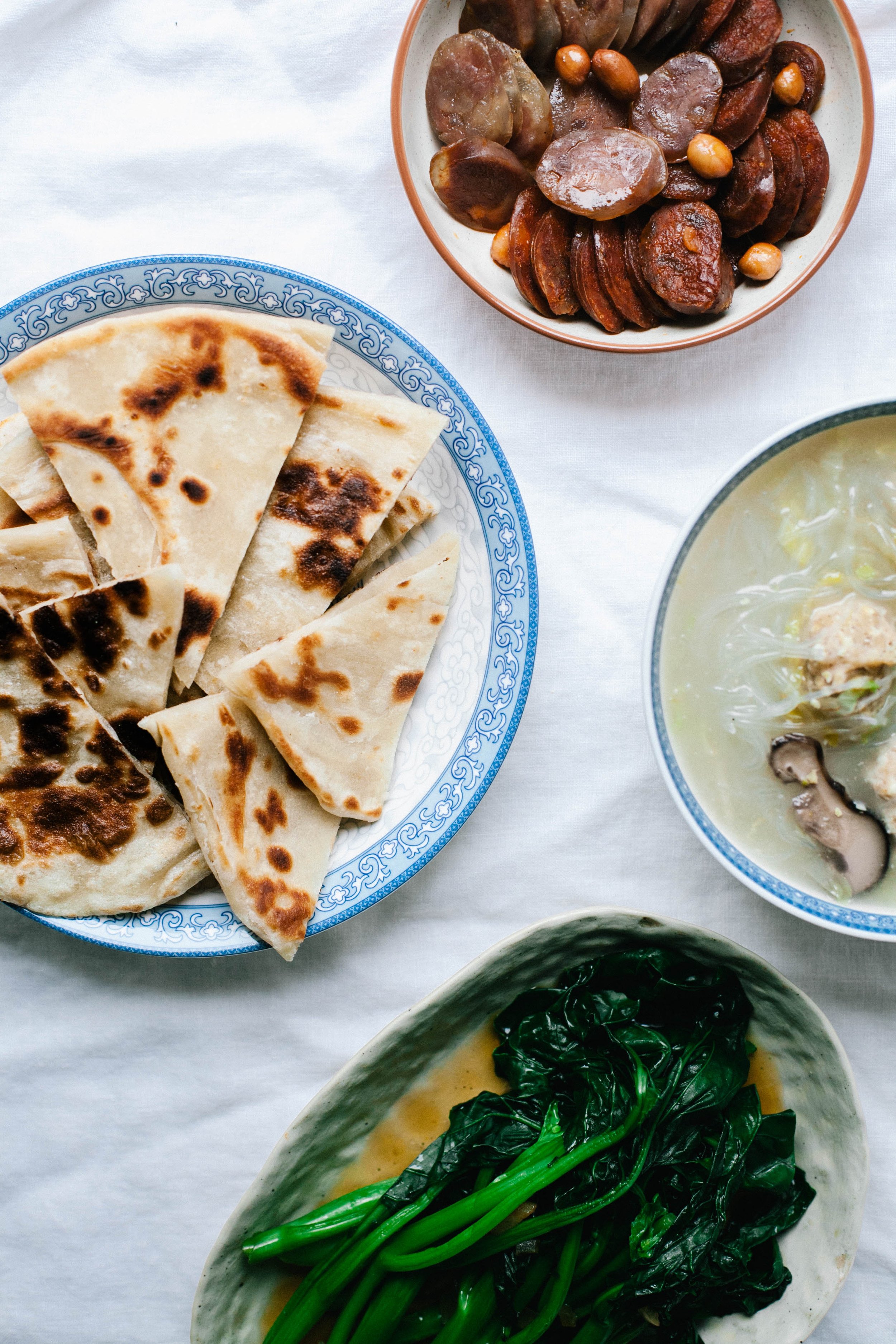
It’s usually cut into wedges before serving, much like a pizza, but feel free to serve the flatbreads whole and let guests tear off chunks. Lao bing is an unfussy side staple that is at home on the breakfast, lunch or dinner table.
Makes 3 breads
Ingredients
350g flour
230g warm water
1 teaspoon salt
⅛ teaspoon white pepper
2 tablespoons of oil
Method
Add the flour to a large mixing bowl. Gradually pour in the water in batches, stirring as you go with a pair of chopsticks to bring the dough together. This slow technique, with warm water, gives lao bing it distinctive chewy texture.
Once it forms a loose dough, use your hands to gather it into a rough ball. Cover and let it rest for 20 minutes - this gives the dough a chance to relax and come to life.
After resting, knead the dough until it becomes soft and elastic. This will take about 20 minutes by hand, or you can use a stand mixer with a dough hook to save some effort.
When the dough feels smooth and pillowy, roll it out on a floured surface into a large, thin rectangle - roughly 50cm x 35cm.
Brush the surface with oil, then sprinkle over the salt and pepper.
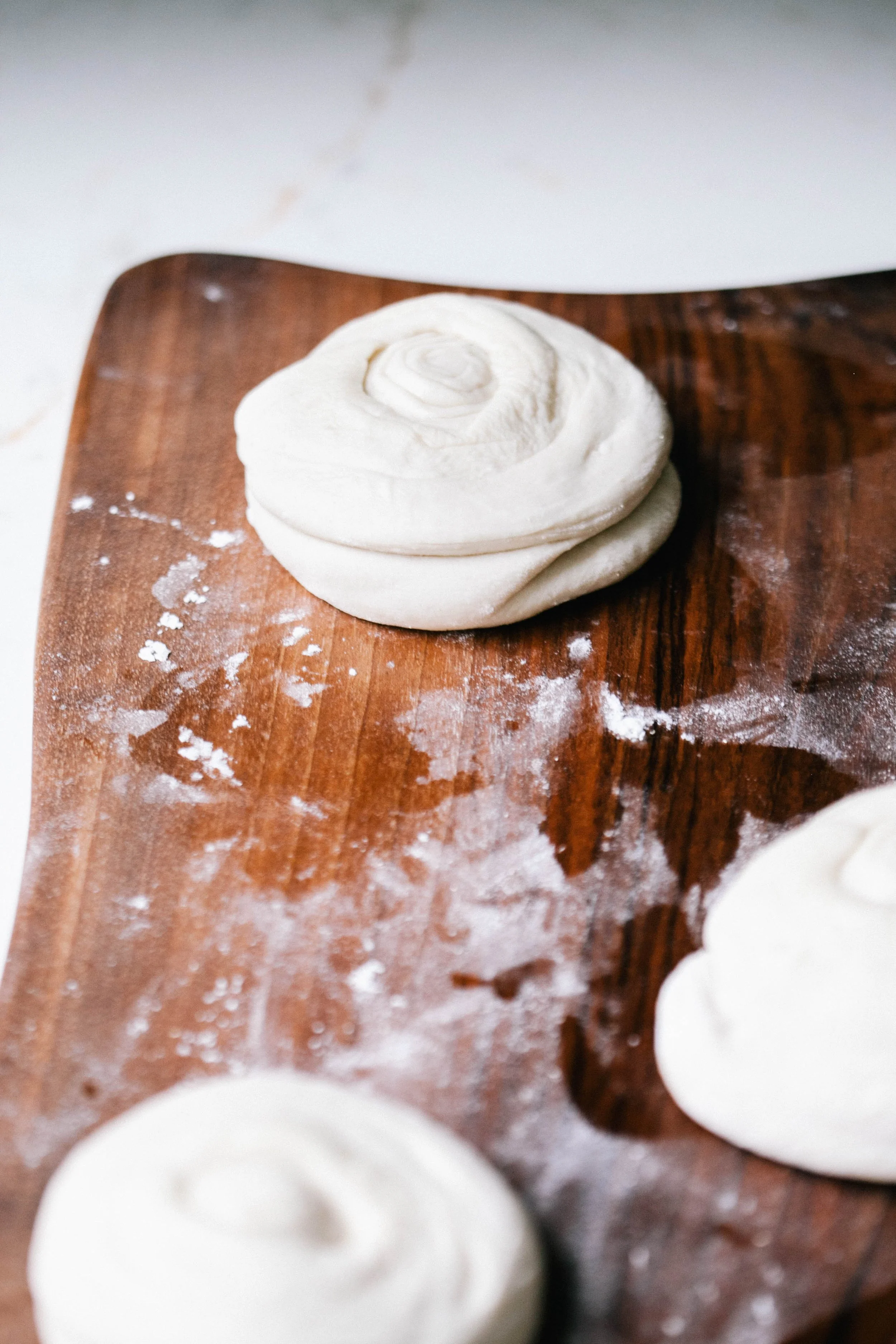
Starting from one of the short edges, loosely roll the dough up like a scroll. Don’t worry about making it perfect - keep it relaxed and uneven. Those little air pockets will give the final pancake a light, layered texture.
Once rolled, cut the log into three equal sections. Pinch the ends of each piece to seal, then stand them upright so you can see the spiral pattern. Gently flatten each one with the palm of your hand, then cover with plastic wrap and let them rest for 20 minutes so they don’t dry out.
After resting, roll each portion out into a circle about 18cm wide.
Heat a flat frying pan over medium heat (with no oil). When hot, add a pancake and let it cook for about 1 minute. While the bottom cooks, brush the top with a little oil, then flip and brush the other side as well.
Continue turning the pancake every so often—it should take about 3 minutes in total. Once golden and cooked through, remove from the pan and repeat with the remaining pancakes.
Cut into wedges like a pizza and serve warm.