
Part 1 explored the northern traditions of wheat dumplings. In part 2, we move to wontons, soup dumplings and xiaolongbao.
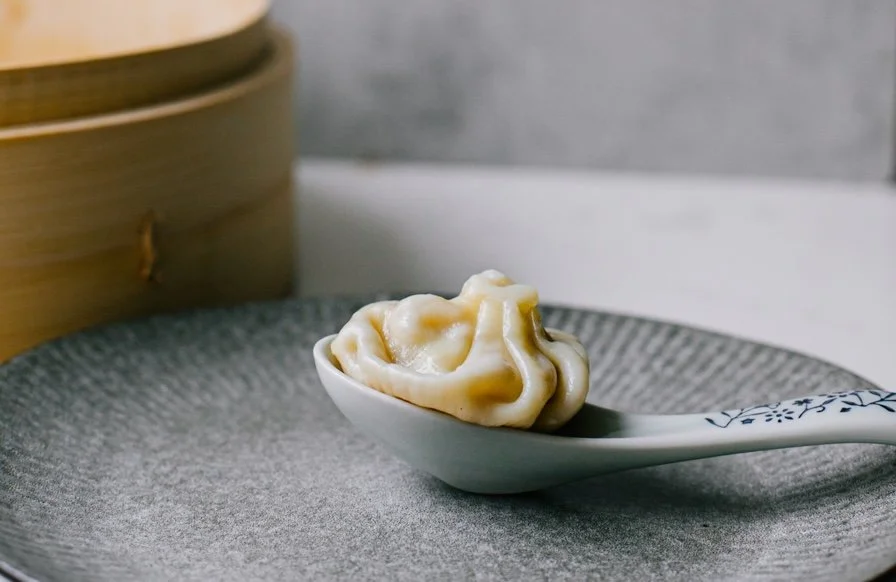
WONTONS & DUMPLINGS FOR SOUP
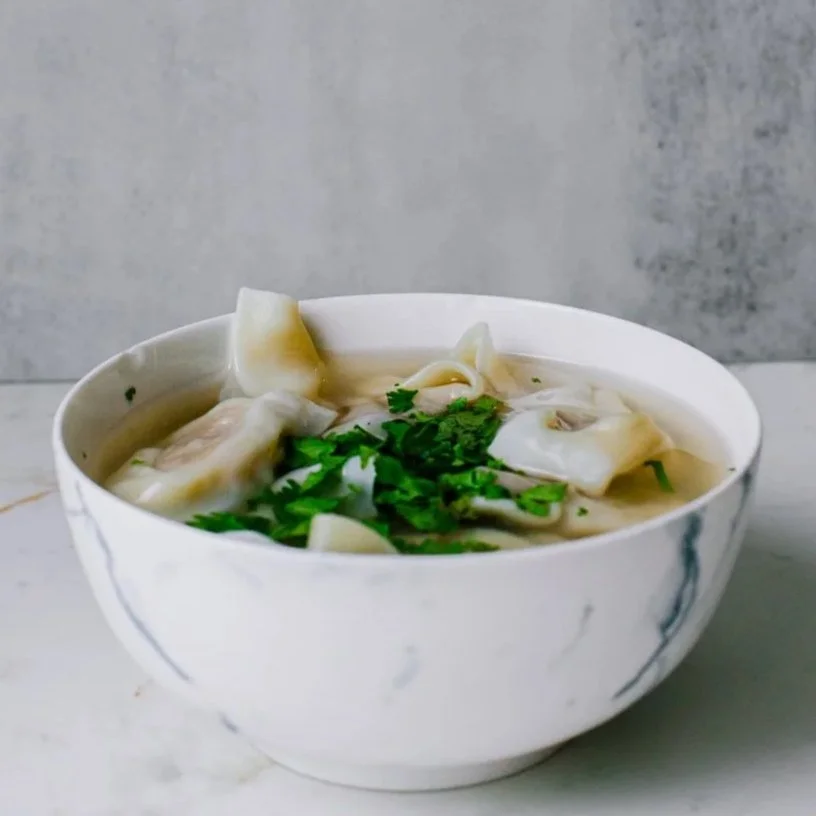
Wontons | 馄饨 / 云吞 | huntun / yuntun
I don’t come across wontons much in the North and like many, I associate the tiny floating jellyfish-like dumplings with southern Chinese cuisine. But in fact, wontons may well have originated in the North. The earliest written reference appears in the Western Han scholar Yang Xiong’s Fangyan (方言), where he described them as a type of stuffed flatbread cooked in soup — what people later called “wonton” (although this may have actually been a flatbread soup, which is still popular in the north).
For a long time, wontons and dumplings (饺子) were essentially the same thing; they were not formally distinguished until the Tang dynasty. Indeed, the only difference between a dumpling and a wonton is that the latter is dropped into soup. If you took a big jiaozi and poured soup over it, we may well call that a wonton. However, nowadays, wontons are designed specifically for soup, usually made smaller and with thin wrappers that becomes silky in soups and with much more delicate stuffing.
In the southern provinces, wontons changed and developed into their own distinct styles, from the Cantonese wonton, to Sichuan’s chaoshou. I’ve come across hundreds of variations, both in sizes and shapes and in the soup and broths they are served in. If you can think of a broth or a stuffing, it probably exists. The list of wontons could go on for pages, but I’ll list some of the more famous and the versions I love the most.
Northern Wontons | 北方馄饨 | beifang huntun
The classic northern style found around Beijing, Tianjin and Shandong. The wrappers are relatively thick and the filling is usually pork, often combined with Chinese chives, napa cabbage, or shrimp. They are typically served in a clear broth and are often larger than southern versions. They are tight little parcels gently wrapped with larger wings.
Beijing Wontons | 北京馄饨 | beijing huntun
A Beijing wonton can be a bit more rustic in shape, sometimes folded into a simple triangle or just folded over. The broth is often flavoured with dried shrimp, seaweed and coriander. Traditionally eaten as a breakfast food or late-night snack.
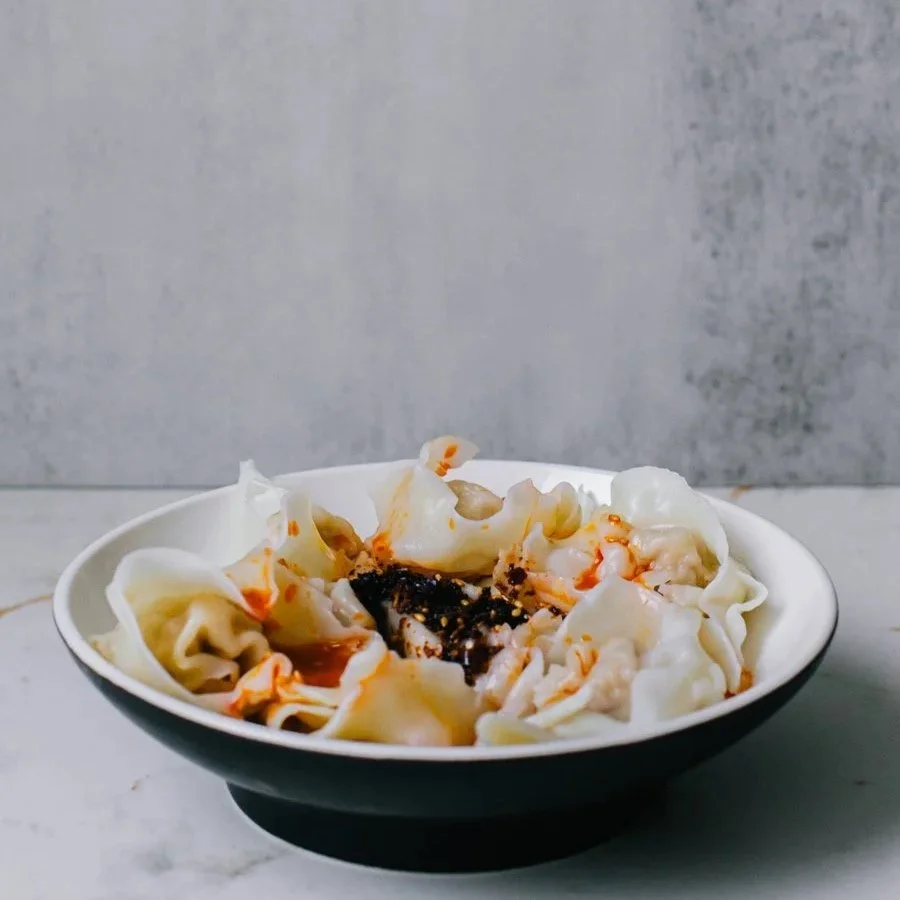
Sichuan Chaoshou | 抄手 | chaoshou
Despite the different name, chaoshou are a type of wonton. The wrappers are delicate and loosely folded so they float like little sails all jammed into a small bowl. Sichuan chaoshou are often less about the soup itself and more about the sauce. The two most common versions are
Hongyou Chaoshou | 红油抄手 – served in a spicy chilli oil sauce. It is definitely not soupy.
Qingtang Chaoshou | 清汤抄手 – served in a light broth perhaps with seaweed or spring onion and a hit of white pepper.
Chongqing Chaoshou | 重庆抄手 | chongqing chaoshou
Closely related to Sichuan chaoshou but often larger and more robustly seasoned. Many versions feature a powerful combination of chilli oil, garlic and Sichuan pepper.
Cantonese Wonton | 广东云吞 | guangdong yuntun
Perhaps the most recognisable wonton in China and the world. Traditionally filled with pork and whole shrimp. The wrappers are extremely thin and become almost translucent when cooked. They are most famously served with egg noodles in wonton noodle soup.
Hong Kong Wontons | 香港云吞 | xianggang yuntun
A refinement of the Cantonese style. The wontons are often quite large, containing whole prawns with a small amount of pork. The broth is carefully made from dried flounder, pork bones and shrimp shells, giving it remarkable depth.
Shanghai Wontons | 上海馄饨 | shanghai huntun
Shanghai cuisine distinguishes between:
Small wontons (小馄饨) – tiny dumplings in a light broth, often eaten for breakfast. These small version is particularly characteristic of the Jiangnan region.
Large wontons (大馄饨) – much bigger dumplings with substantial fillings, often closer in size to jiaozi.
Sanxian Huntun | 三鲜馄饨 | san xian huntun
One of the most popular wonton varieties across eastern and northern China. The name sanxian (”three delicacies”) does not refer to a fixed recipe but usually combines pork with two other ingredients, commonly shrimp, egg, bamboo shoots, mushrooms, or seasonal vegetables. The filling is prized for its freshness and balance rather than strong seasoning. Sanxian wontons are often served in a light, clear broth so it doesn’t dominate.
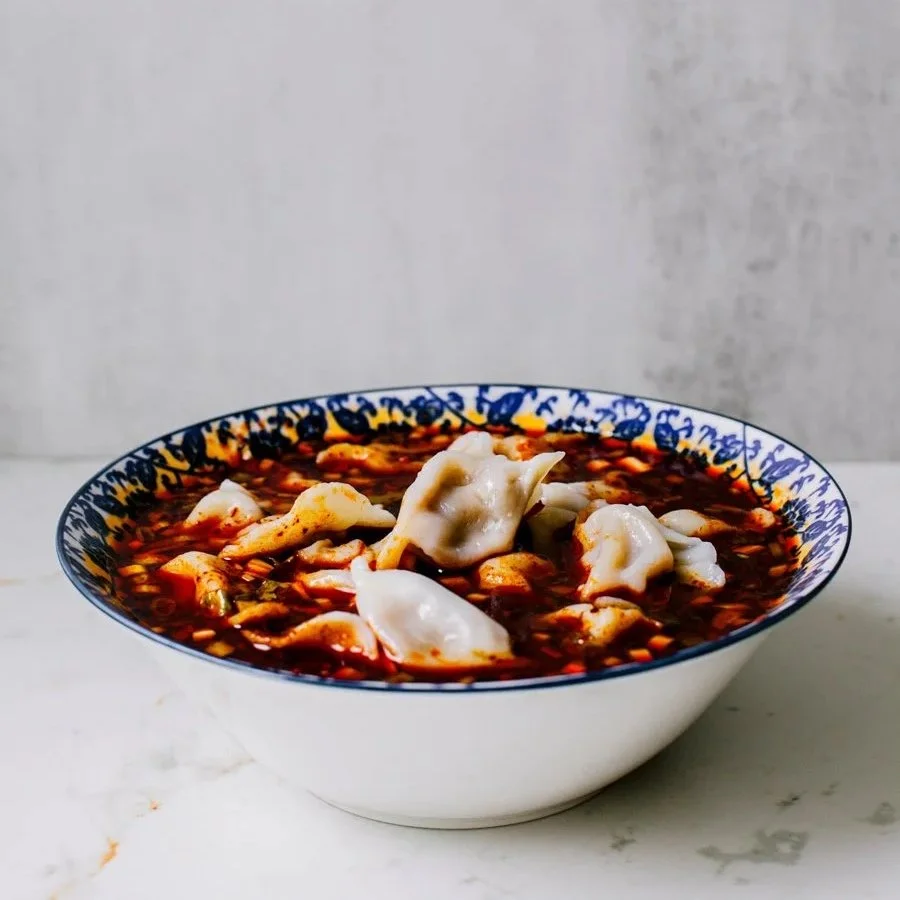
Sour Soup Wontons| 酸汤馄饨 | suantang huntun
A speciality associated with Shaanxi and neighbouring north-western regions. Unlike the delicate broths of Jiangnan or Cantonese wontons, these are served in a vibrant sour soup made with vinegar, chilli oil, garlic, and sometimes sesame oil and coriander. The wontons themselves are often simple pork-filled parcels, but the soup hits the back of your throat. If it’s made correctly, it balances acidity from Shanxi black vinegar, a gentle chilli heat and aromatic richness, but I’ve never finished a whole bowl of the broth (and not sure you’re even supposed to).
Fujian Bianrou | 福建扁肉 | fujian bianrou
The filling is made by pounding pork into a paste rather than mincing it. This creates an unusually springy, almost fish-ball-like texture. The wrappers are also exceptionally thin.
Hubei Bao Mian | 包面 | hubei baomian
Would I call this a distinct type of wonton? Probably not, but locals in Hubei and Wuhan insist that baomian (wrapped noodles) are different from their northern cousin.
Clear Broth Wontons | 清汤馄饨 | qingtang huntun
‘Clear broth wontons’ are a delicate style emphasising a very light, clear broth with delicate seasoning. The goal is subtlety and it takes a chef with restraint to hold back the seasoning and spice.
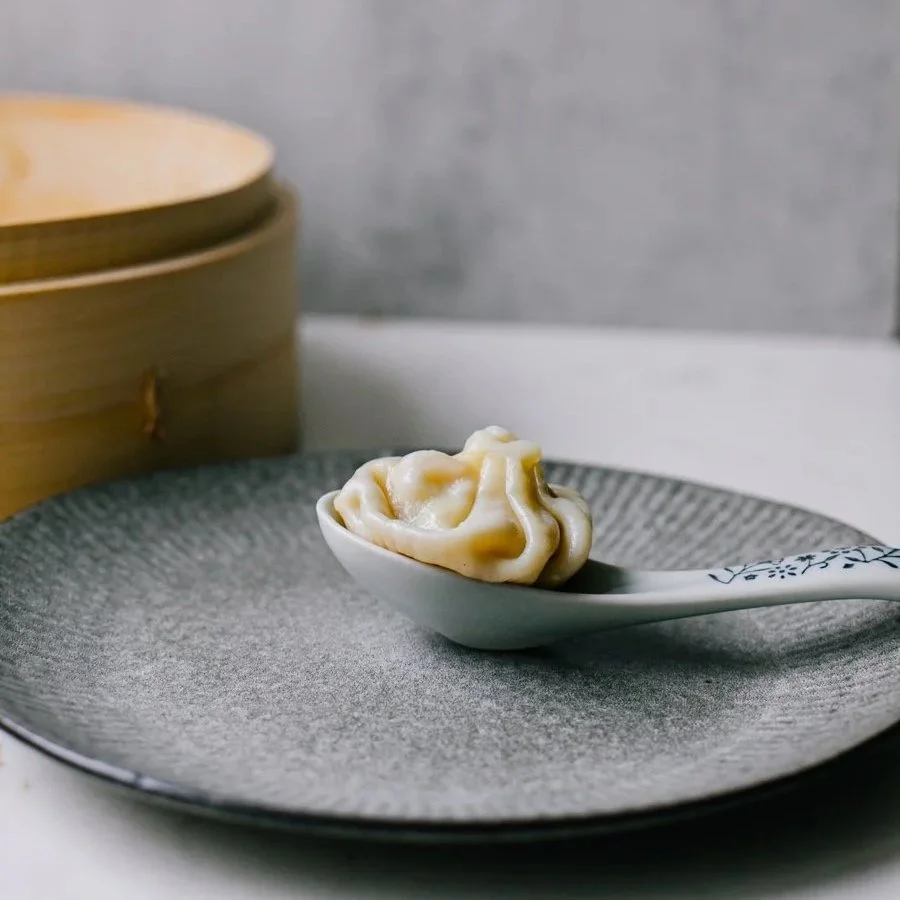
SOUP DUMPLINGS
Soup dumplings are a culinary marvel. The first time tried them, I could not work out how they were made. How does a chef get soup into a thin dumpling wrapper that bulges and swells as you pick it up? The answer is pork gelatin that is chilled and added to the mix as a solid. This then melts as the dumplings steam.
There’s an interesting distinction here between jiao (饺), meaning dumpling, and bao (包), meaning bun. Xiaolongbao are technically buns by name, but their thin, unleavened wrappers make them feel much closer to dumplings. They’re certainly dumplings in my mind.
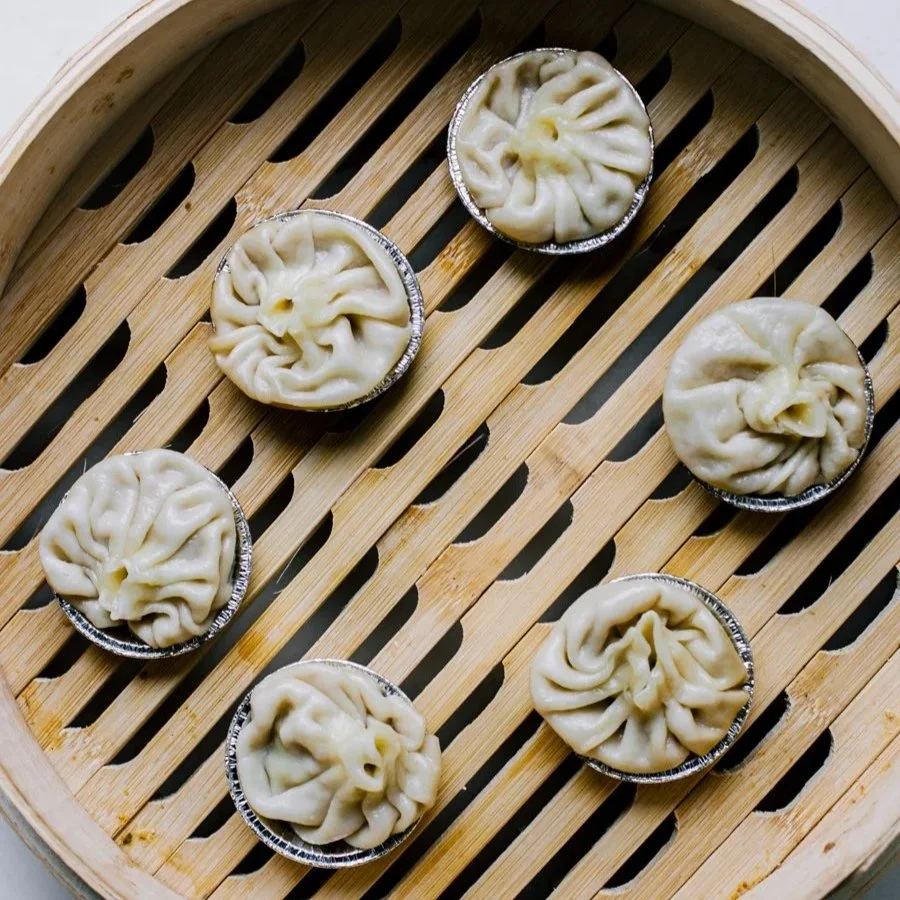
Xiaolongbao | 小笼包
Perhaps China’s most internationally famous dumpling, xiaolongbao are strongly associated with Shanghai, although their origins are usually traced to Nanxiang (南翔), a market town now within Shanghai’s Jiading District. The commonly accepted story dates them to around 1871, when a local pastry shop owner, Huang Mingxian, developed a smaller, thinner-skinned version of the traditional meat bun, incorporating pork jelly to create the distinctive soup-filled centre.
Nanxiang Xiaolong | 南翔小笼
The style most closely associated with the dish’s origins. Traditionally pork-filled, small, delicately pleated and made with a thin but sturdy wrapper. The original is often associated with 14 pleats. The focus is on the balance between the tender pork filling, delicate wrapper and rich broth.
Wuxi Xiaolongbao | 无锡小笼包
Particularly interesting because of its sweeter flavour profile. The filling and broth are noticeably sweeter than the Shanghai versions, often with a generous amount of sugar and soy sauce.
Guan Tang Bao | 灌汤包
Although guan tang bao has become quite trendy on social media these days - a huge soup filled dumpling that requires straws to drink it - they’re actually a traditional dumpling that may even pre-date xiaolongbao. They’re generally associated with the city of Kaifeng, where sometimes chefs would fill steamed buns (mantou) with soup.
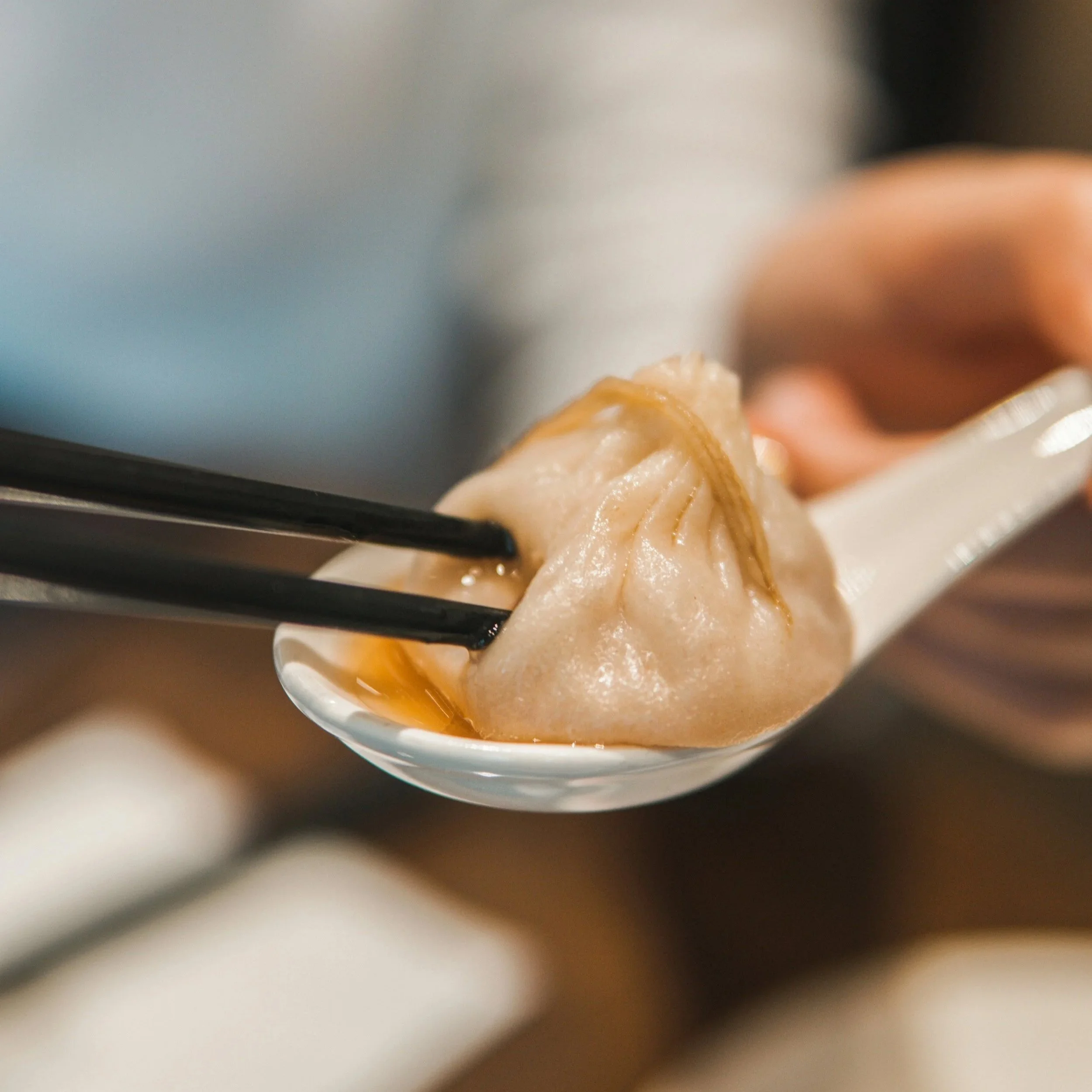
Photo by Jae Park
AND HOW TO EAT A SOUP DUMPLING
A word of warning: don’t just pop the whole thing into your mouth. We’ve all done it, but the broth inside is piping hot, and you’ll quickly regret it.
1. Pick it up carefully. Use your chopsticks to gently lift the dumpling by its pleated top, supporting the bottom if possible. The wrapper is delicate, and you don’t want to lose any precious soup.
2. Rest it on a spoon. Place the dumpling in a Chinese soup spoon. This catches any escaping broth and makes the next step considerably easier.
3. Make a little hole. Gently bite or nibble a small opening in the side of the wrapper. Let some steam escape and carefully sip the hot broth inside.
4. Add your condiments. A little Chinese black vinegar and some finely shredded fresh ginger are the classic accompaniments. I usually add this to the spoon before placing the dumpling on top.
5. Eat the rest. Once you’ve enjoyed the broth, finish the dumpling in a couple of bites.
And remember: the soup is the whole point. Don’t tear the wrapper as you pick it up, otherwise the soup will ooze into the steamer basket and you’ll end up with a soup-less dumpling.
PART 3: RICE DUMPLINGS & REGIONAL SPECIALTIES - COMING NEXT WEEK.