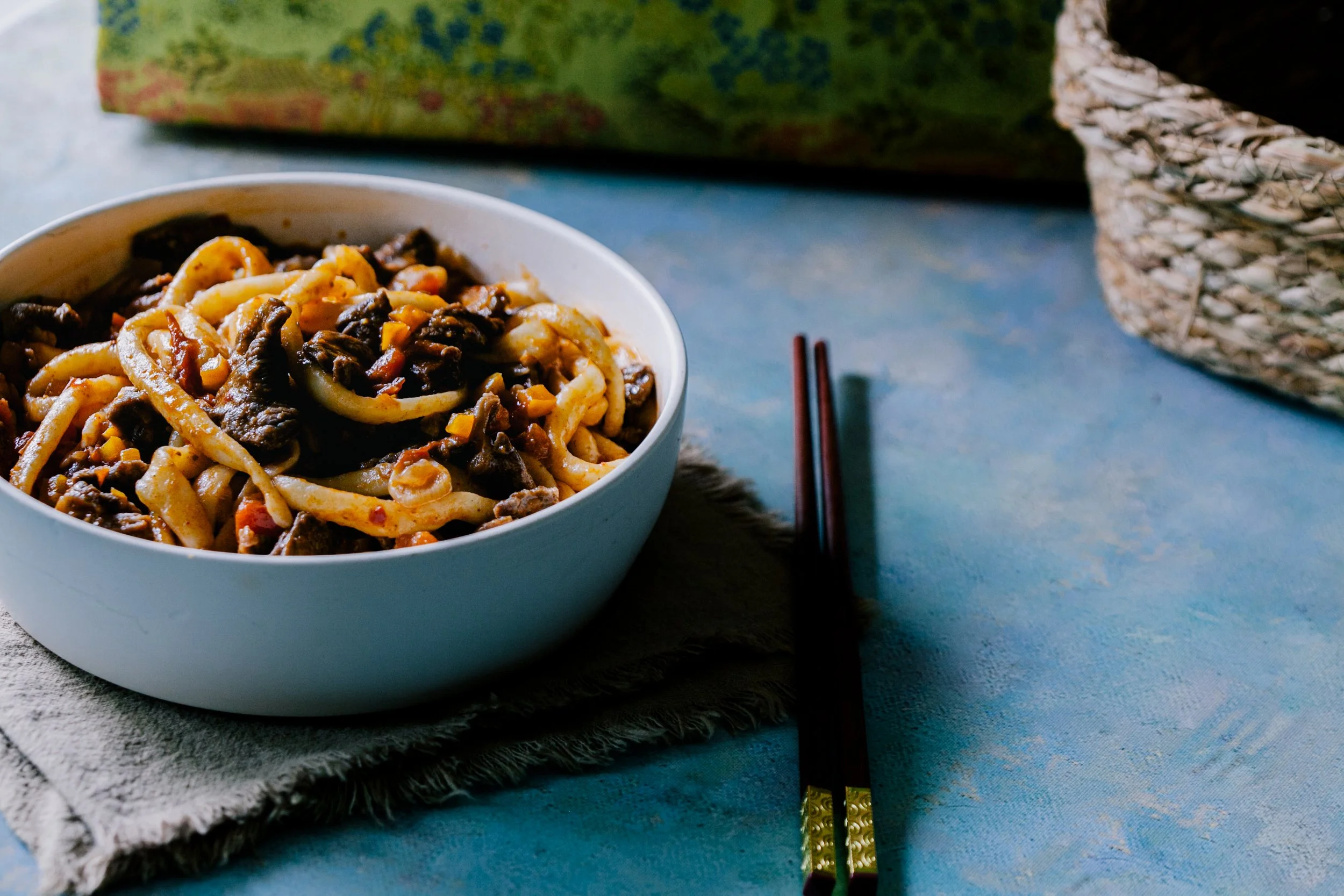
Laghman Noodles
拉条子
English: Laghman Noodles
Chinese: 拉条子
Pinyin: la tiaozi
Literal: Flat strips
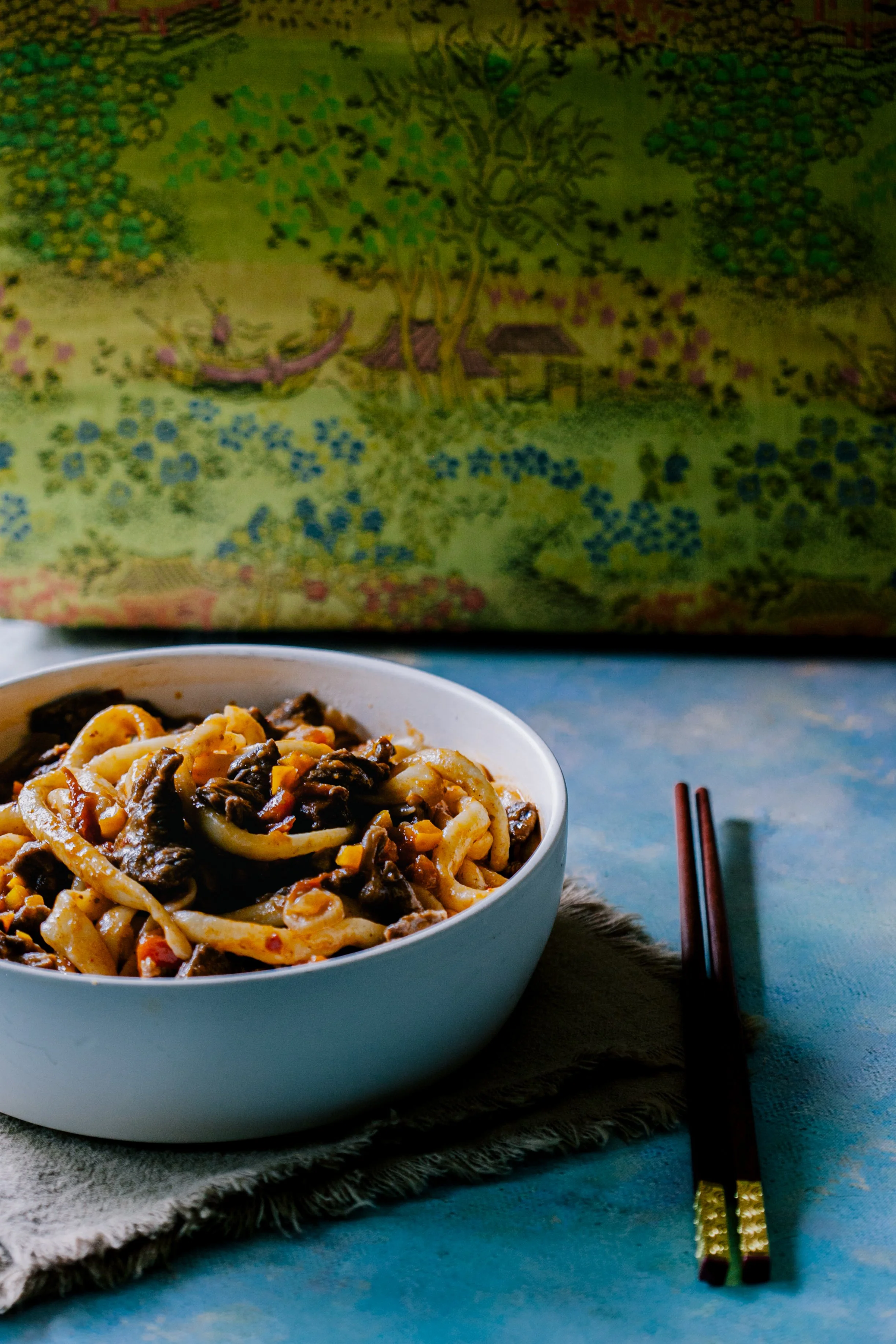
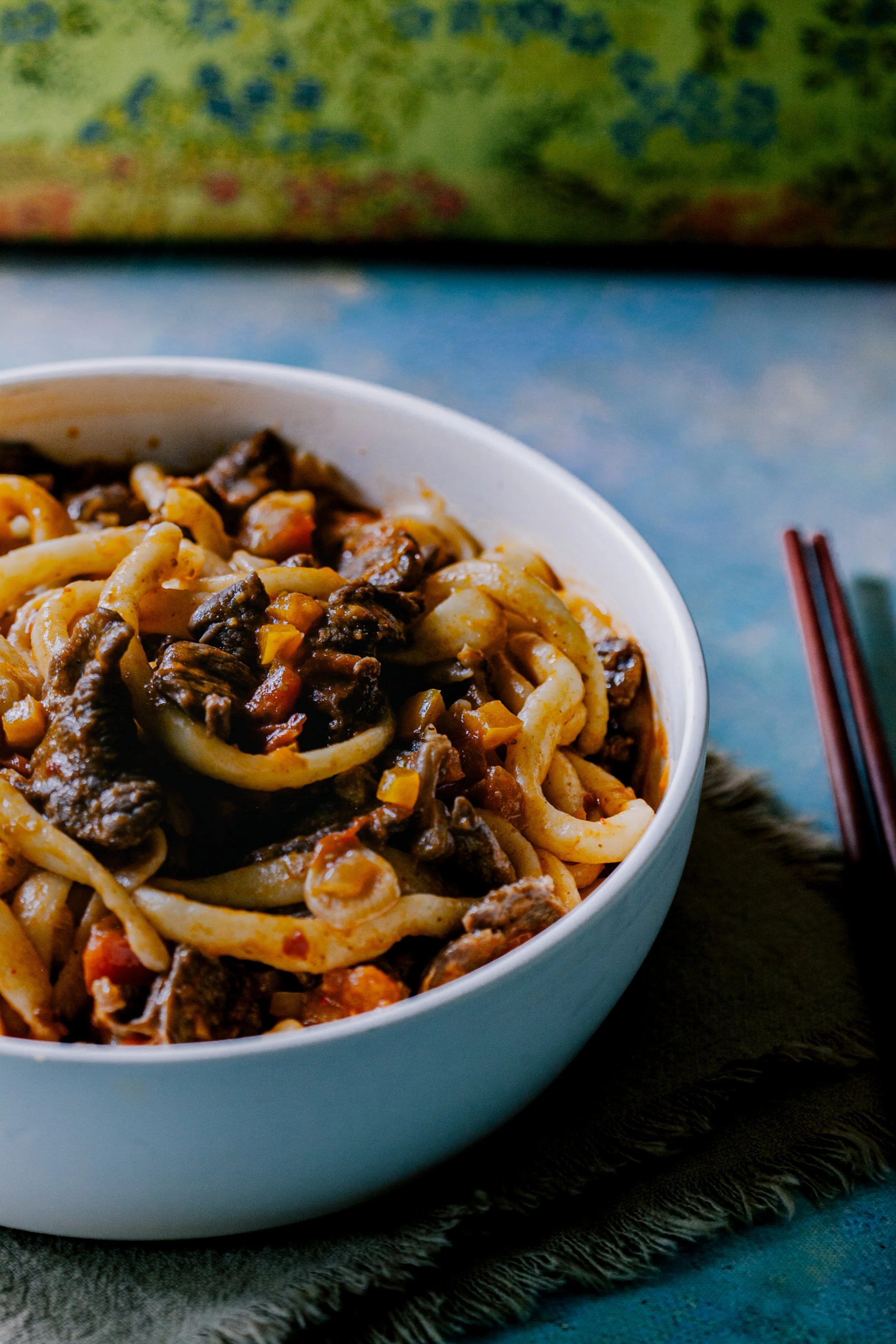
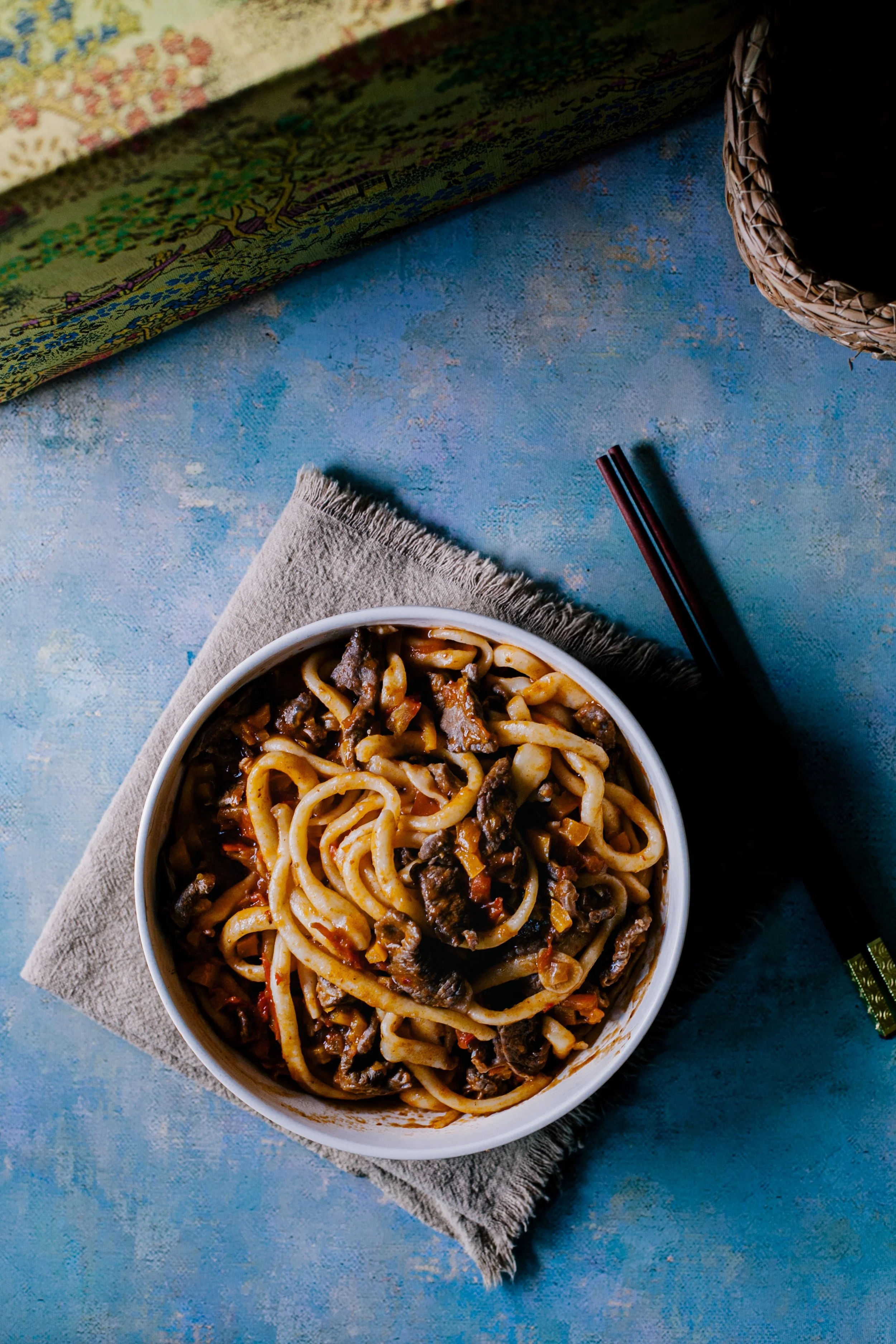
Every lunchtime, I used to eat at a Uyghur restaurant in Beijing, ordering a different bowl of noodles Monday through Friday. Laghman noodles were always in rotation: thick, chewy hand-pulled noodles coated in a spicy sauce of tomato, cumin and lamb. The flavour felt completely different from most Han Chinese noodle dishes and exactly what was needed after the gym in the middle of winter.
Like many dishes that developed along the Silk Road, the exact origins of Laghman noodles are difficult to pin down. Today they’re closely associated with Xinjiang and Uyghur cuisine, but the dish came about after centuries of exchange between Chinese, Turkic and Central Asian food cultures. The noodles themselves were likely influenced by Chinese hand-pulled noodles, and many scholars believe the word “laghman” may be related to lamian (拉面), the Chinese term for pulled noodles, though the exact etymology is debated. Variations of the dish are now eaten across Central Asia, especially in Xinjiang, Kazakhstan and Kyrgyzstan.
The noodle-making process is far simpler than that of Lanzhou Beef Noodles, though the pulling technique still takes a little practice. Traditionally, the dough is rolled into long ropes, coiled with oil, rested, then stretched by hand into thick, hearty noodles. They’re completely different from the thin, highly elastic strands used in Lanzhou noodles, far more rustic, which is perfect for a beginner noodle-maker. If you’re short on time, you can substitute the thickest wheat noodles you can find.
Serves 2
For the Noodle Dough
250g all-purpose flour
¼ tsp salt
120-150ml water (room temperature)
1 tsp of vegetable oil + more for brushing
For the Sauce
450g lamb leg
1 small red onion - finely chopped
4 cloves garlic - sliced
2 tsp Chinese chilli flakes
4 medium tomatoes - diced
2 tbsp cumin powder
2 tbsp tomato paste
2 tbsp light soy sauce
1 tsp sugar
1 pepper - any colour - diced
Salt, to taste
For the Lamb Marinade
1 tsp peanut oil
1 tsp salt
¼ tsp white pepper
2 tsp cornstarch
Method
See pictures below for the dough method
First make the dough. Combine the flour and salt in a large bowl. Gradually add the water, mixing with a spoon until a shaggy dough forms.
Transfer the dough to a clean work surface and knead for 5–10 minutes, until smooth and elastic. Add 1 teaspoon of oil and knead it into the dough. Return the dough to the bowl, drizzle over a little more oil, then cover with a damp cloth or plastic wrap. Let it rest for 30 minutes.
Transfer the dough back to the counter and roll it into a thick rope about 50cm long. Cut it in half, then roll each piece into a thinner rope, around 30cm long. Cut each rope in half again. Brush lightly with oil, cover, and let rest for another 15–20 minutes.Roll each rope again, this time aiming for a thickness roughly the width of your little finger (about 1.5–2cm).
Brush a large plate or tray with oil. Starting from the centre, coil one rope onto the plate like a cinnamon roll or snail shell. Continue coiling the remaining ropes around it. If your plate is too small, simply layer the coils on top of each other. Brush generously with oil, cover, and let rest for 1 hour.
While the dough is resting, prepare the lamb. Slice the meat as thinly as possible. If the lamb feels difficult to cut, place it in the freezer for 30–40 minutes to firm up slightly first.
Combine the lamb with the marinade ingredients and leave to marinate at room temperature for 15 minutes.
Heat 1 tablespoon of oil in a wok over medium-high heat. Add the lamb in a single layer and cook until browned, stirring occasionally. Transfer to a plate and set aside.
Add another tablespoon of oil to the wok, then add the onion. Cook for 5 minutes, until softened. Stir in the garlic and chilli flakes and cook for 30 seconds, until fragrant.
Add the chopped tomatoes, soy sauce, tomato paste, cumin, sugar and salt. Cook, stirring regularly, until the tomatoes break down into a thick sauce. If the sauce becomes too dry, add a few tablespoons of water.
Add the bell pepper and cook for 2–3 minutes, until tender but still slightly crisp. Return the lamb to the wok, stir to combine, then reduce the heat to low and keep warm.
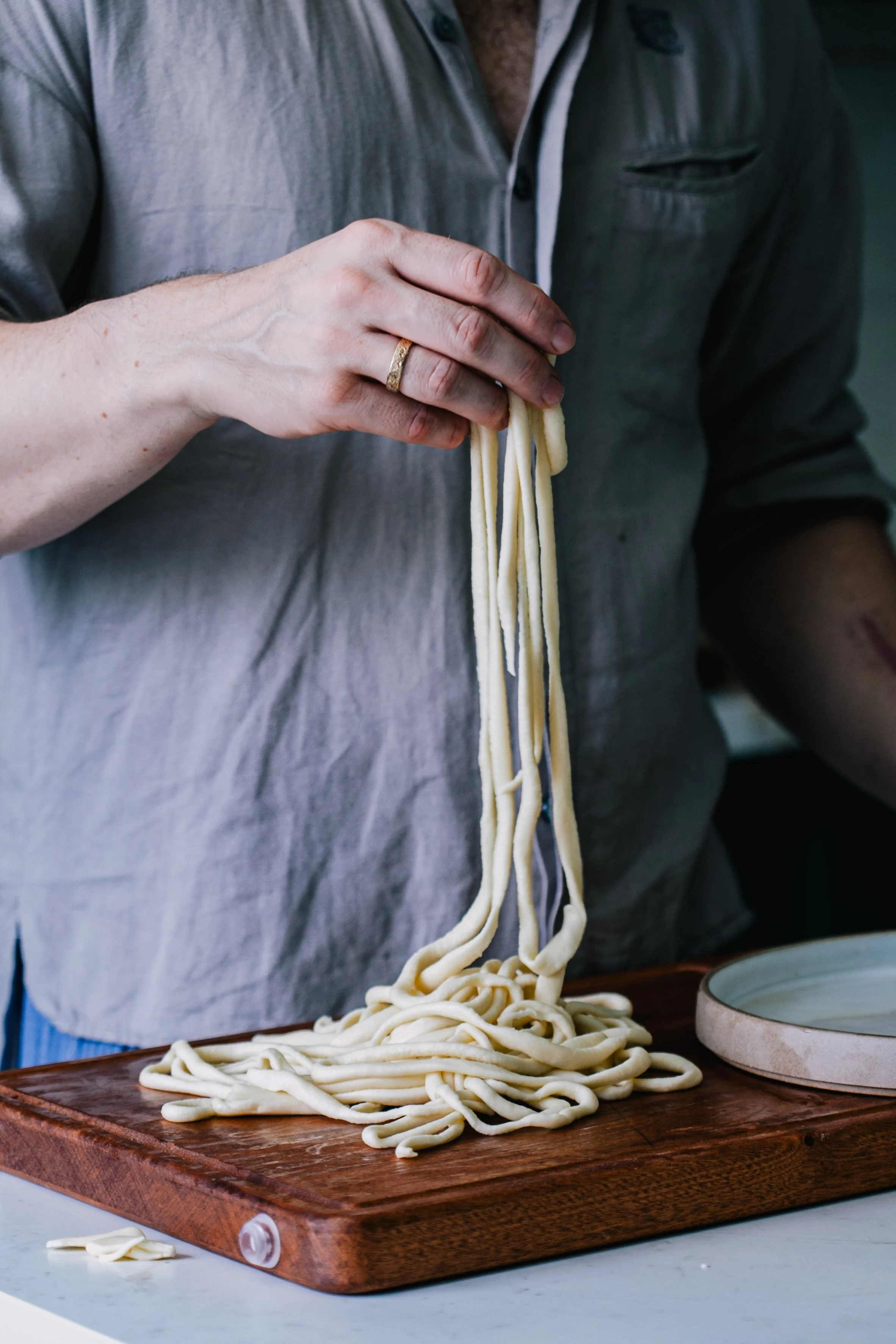
Bring a large pot of salted water to the boil. Take one coil of dough and gently stretch it between your hands. The dough should feel soft and elastic. Aim for noodles around 3–4mm thick. Don’t worry if some break as you pull them — that takes practice.
As each noodle is stretched, drop it directly into the boiling water. Cook for 2–3 minutes, or until the noodles float and are tender.
If the sauce looks too thick, add a ladleful of the noodle cooking water. Drain the noodles, add them to the wok, and toss everything together until well coated. Divide between two bowls and serve immediately.
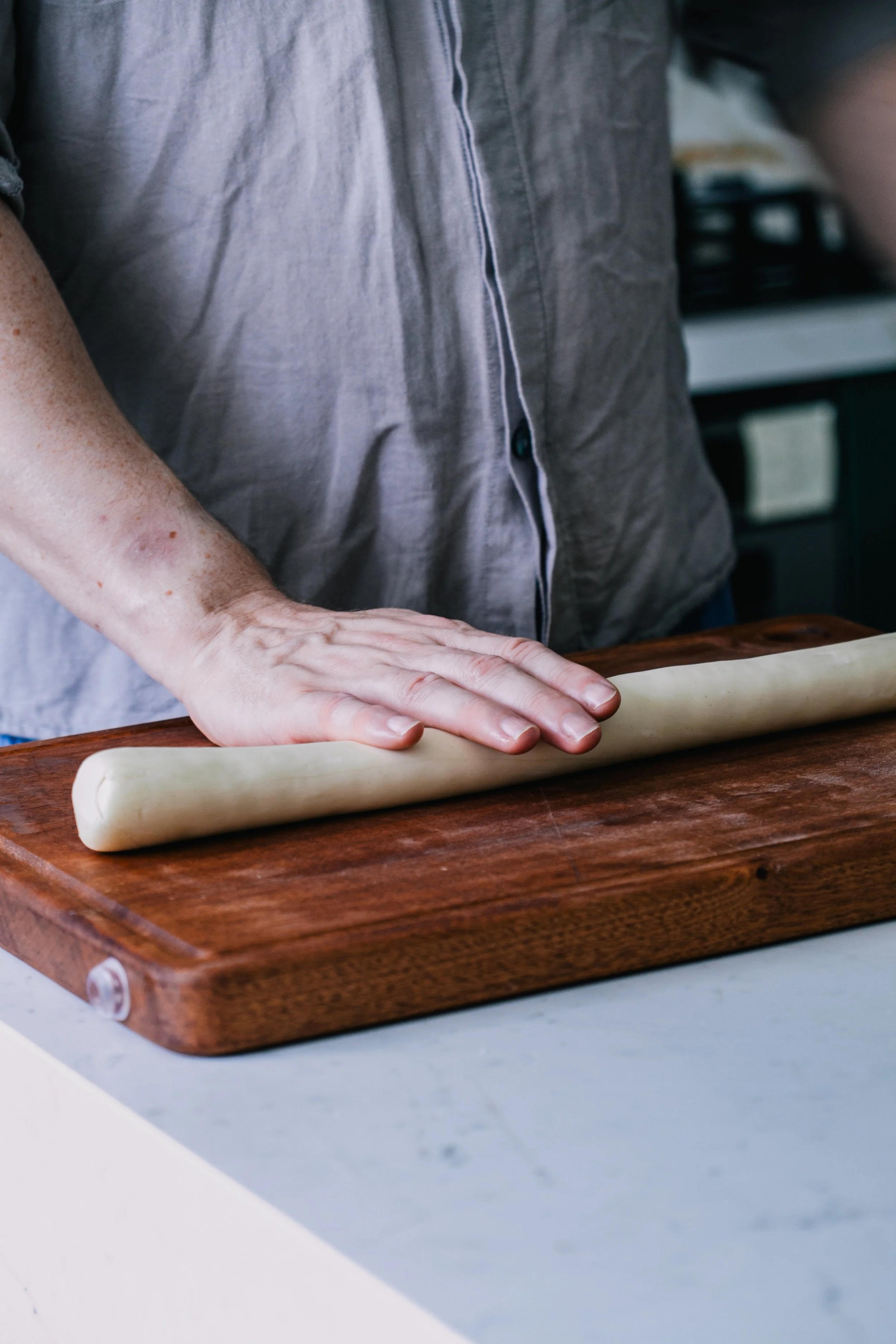
1. Roll dough into a thick rope about 50cm long
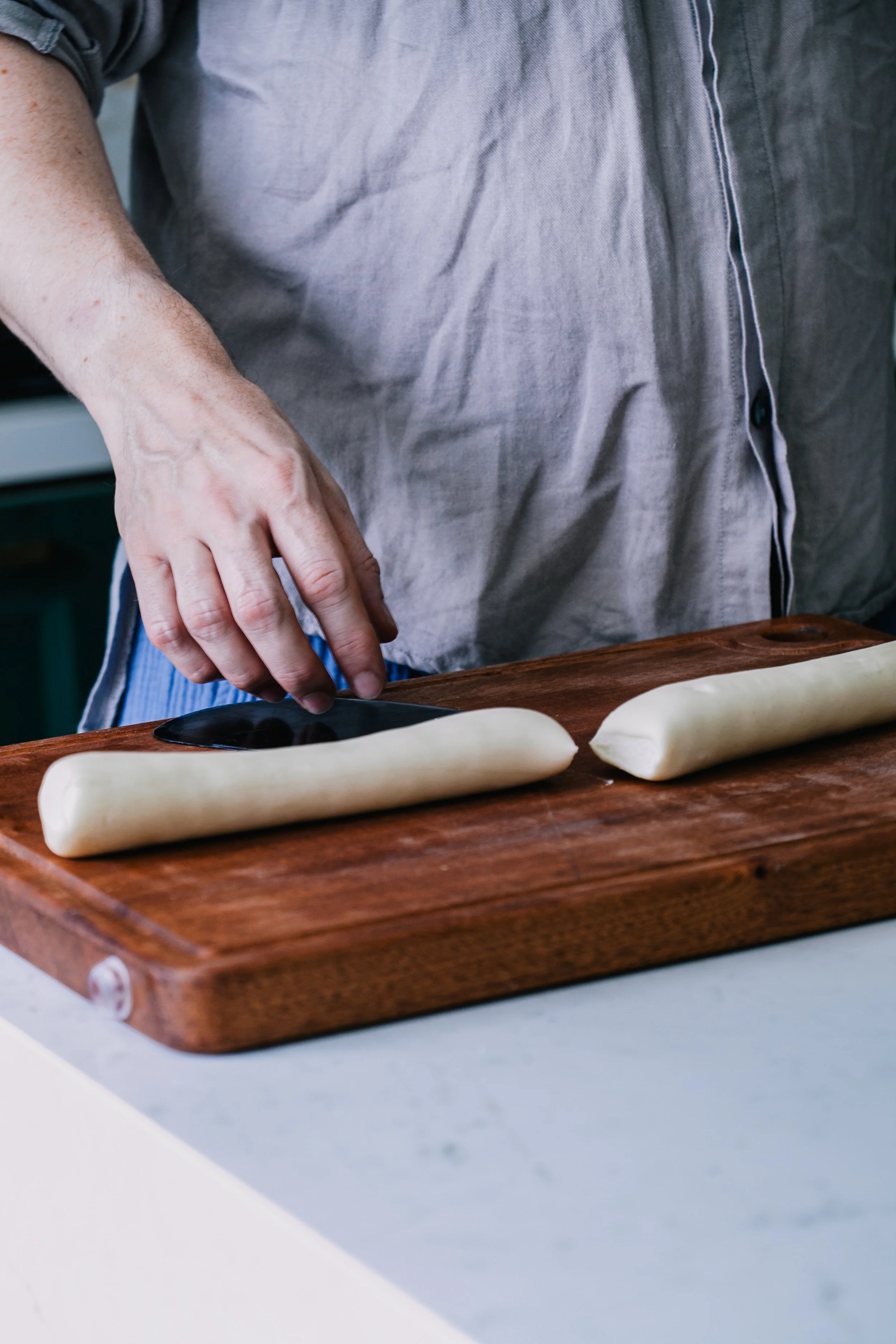
2. Cut the dough in half
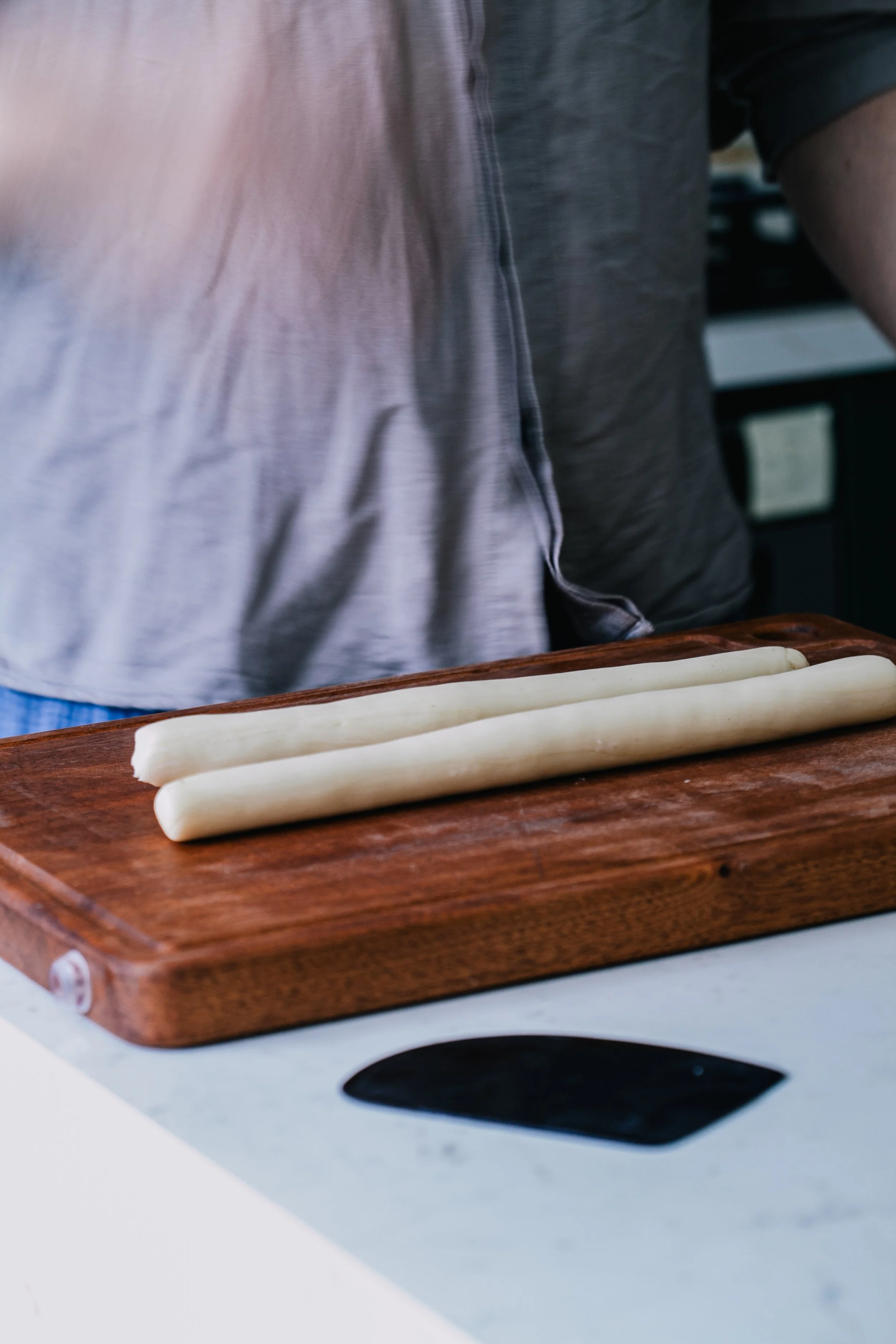
3. Roll each piece into a thinner rope, around 30-40cm long.
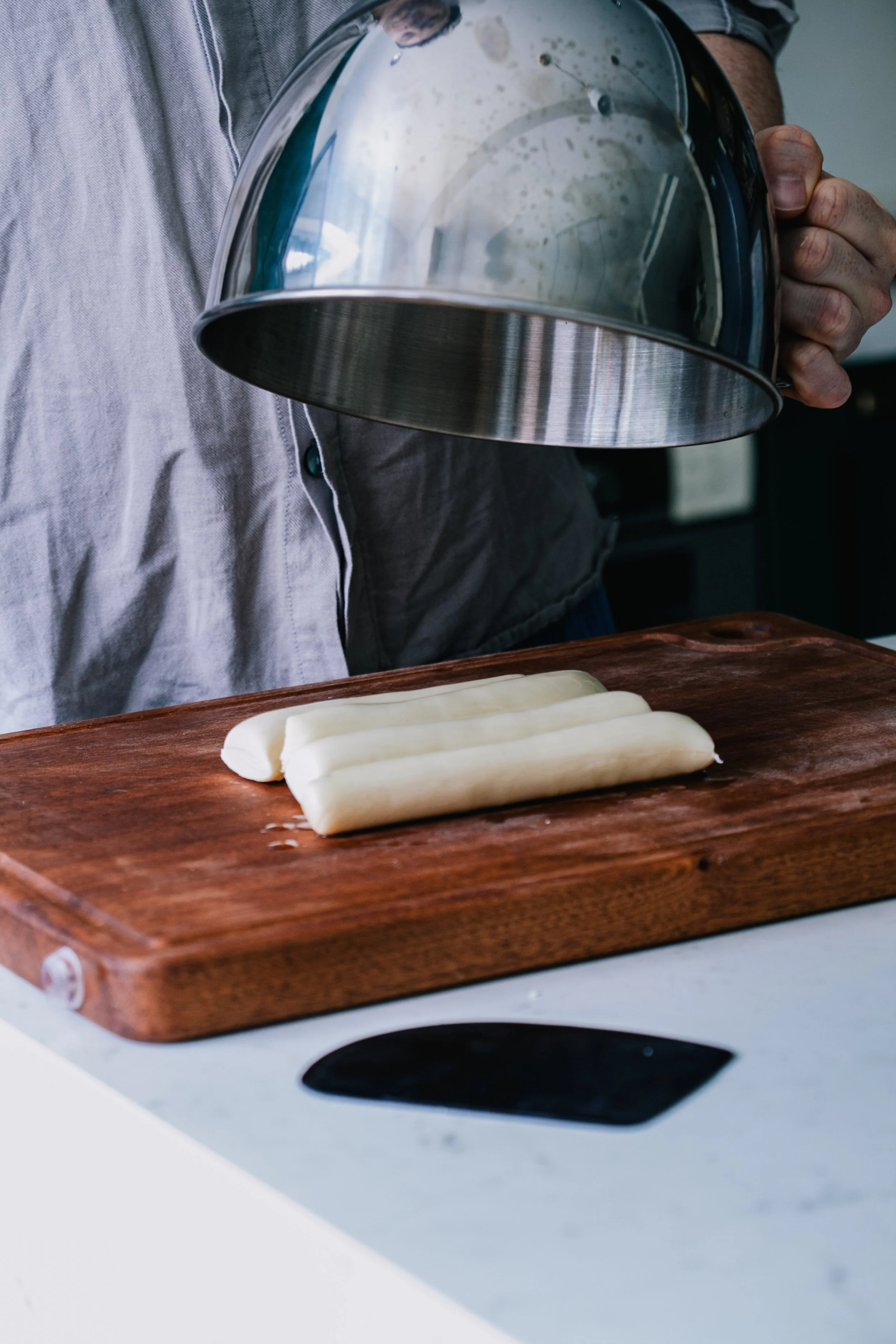
4. Cut into 4, brush with oil and let rest.
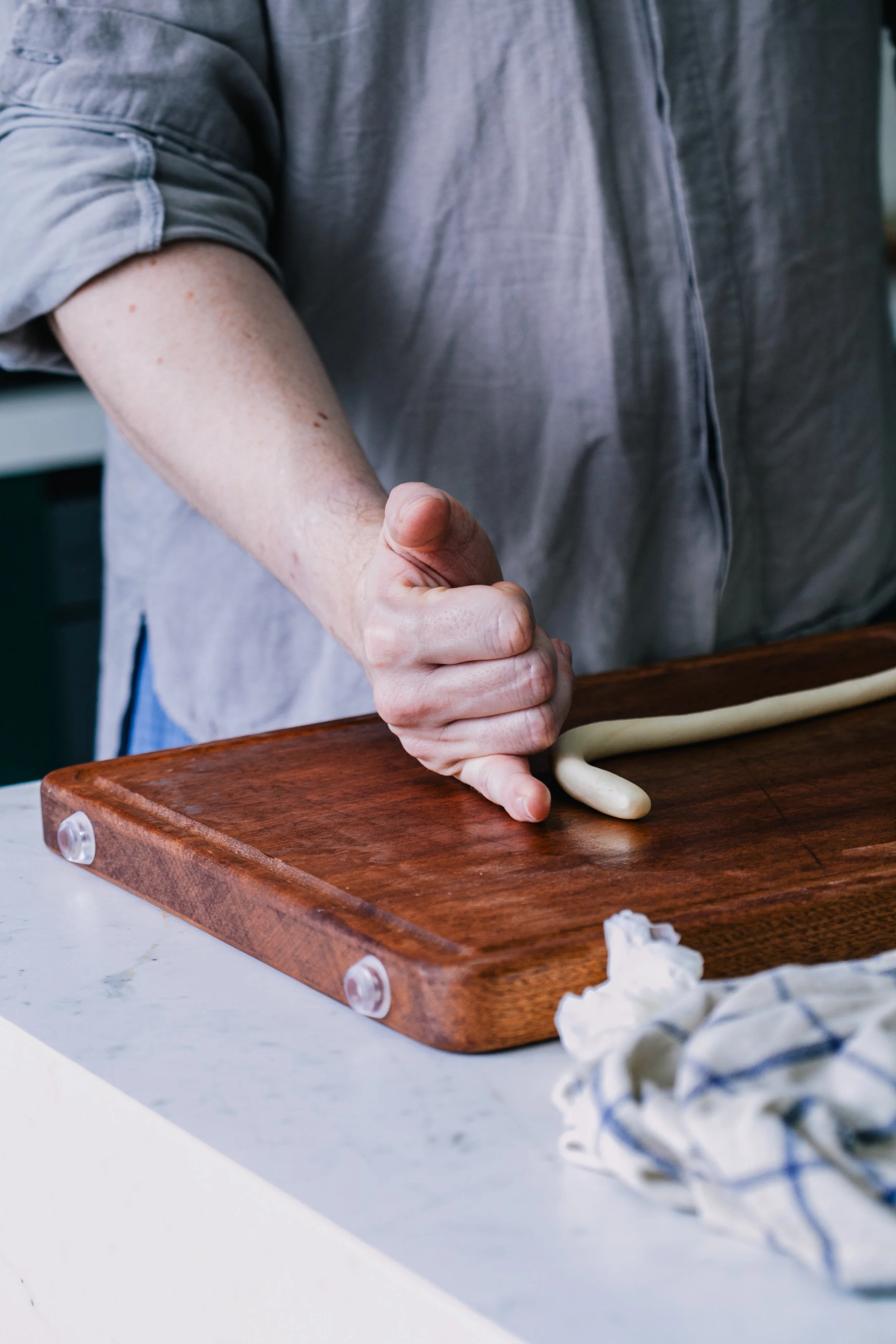
5. Roll each rope until it's about the width of your little finger
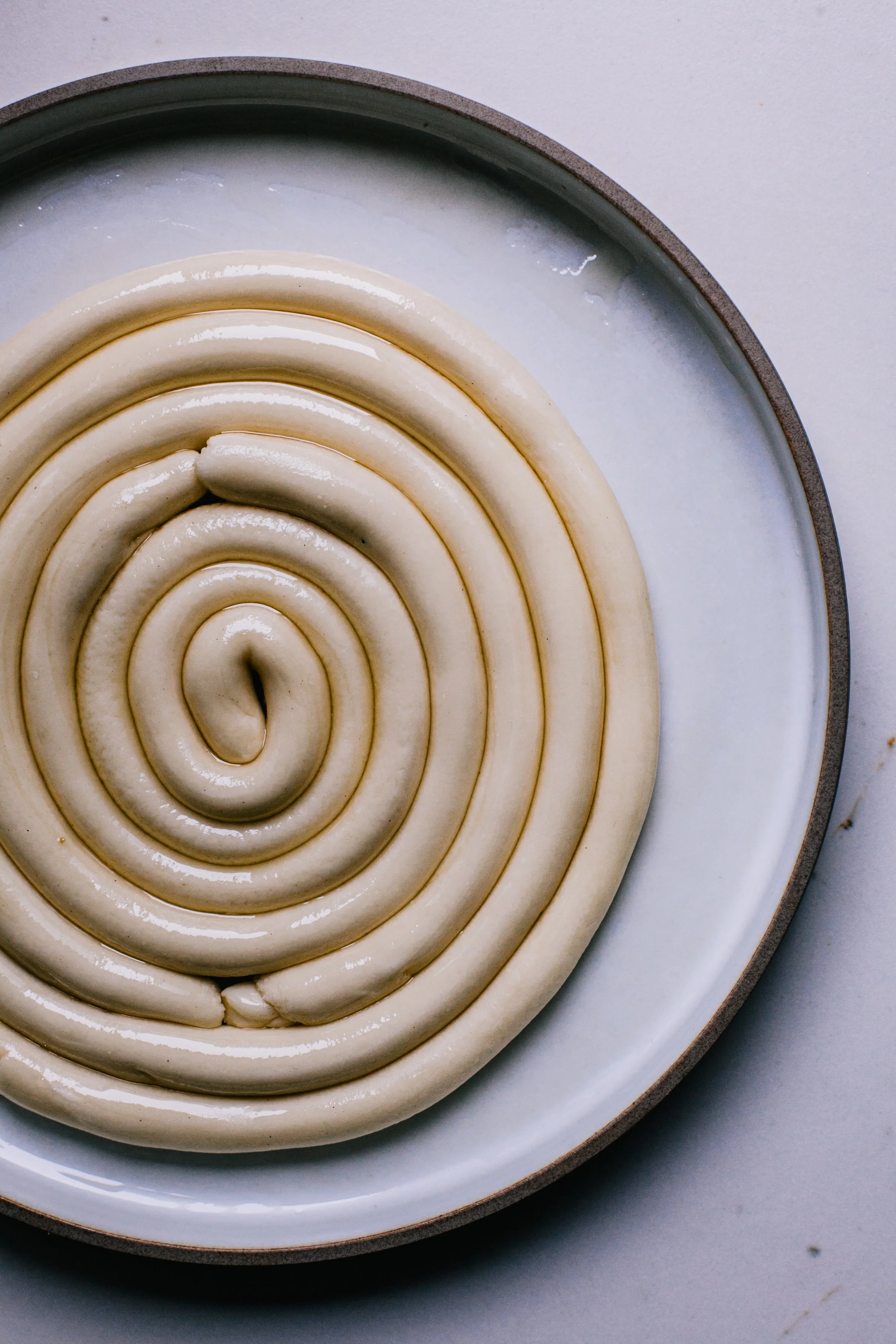
6. Coil the ropes onto an oiled plate and rest
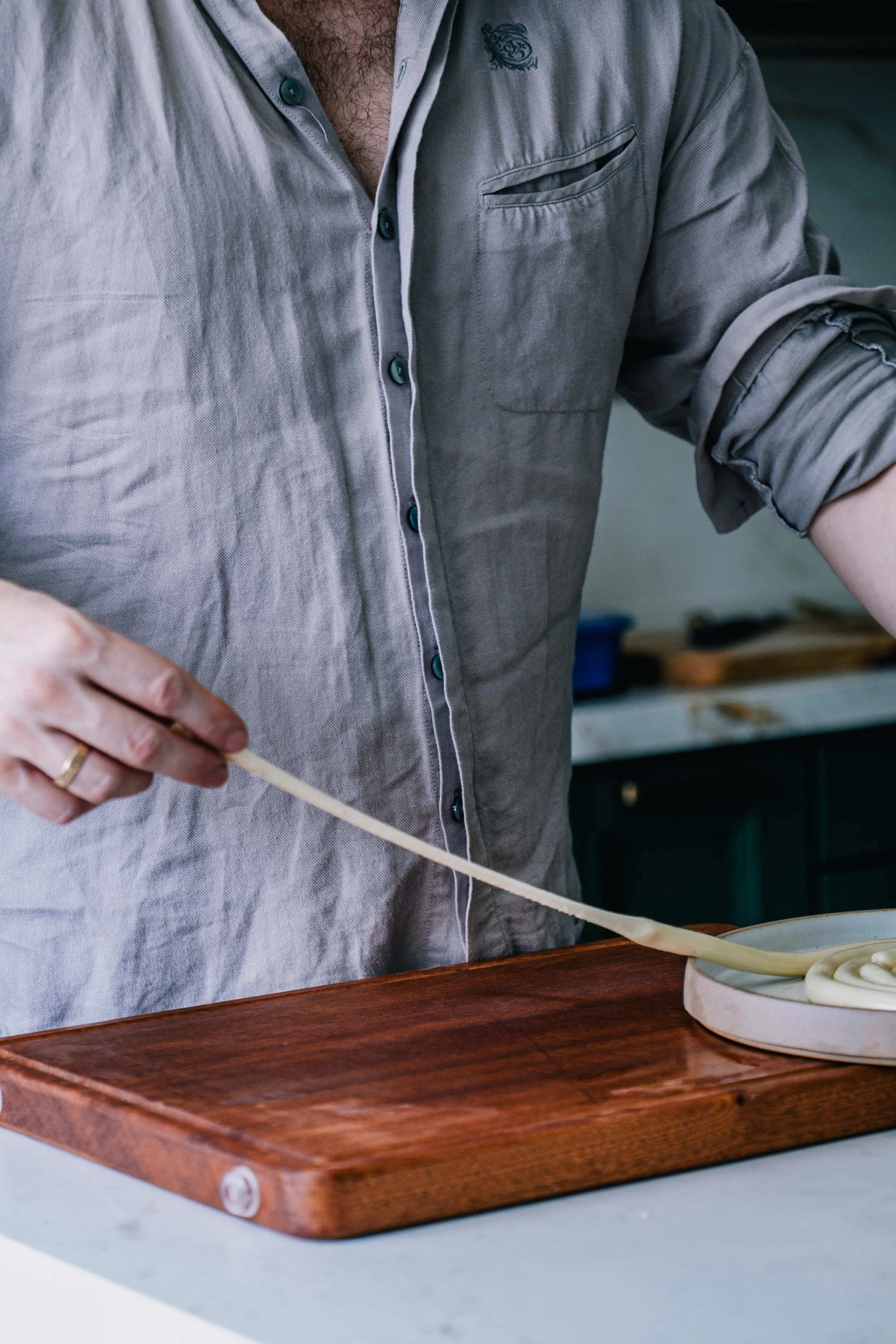
7. Pull the dough slowly, stretching into long noodles.
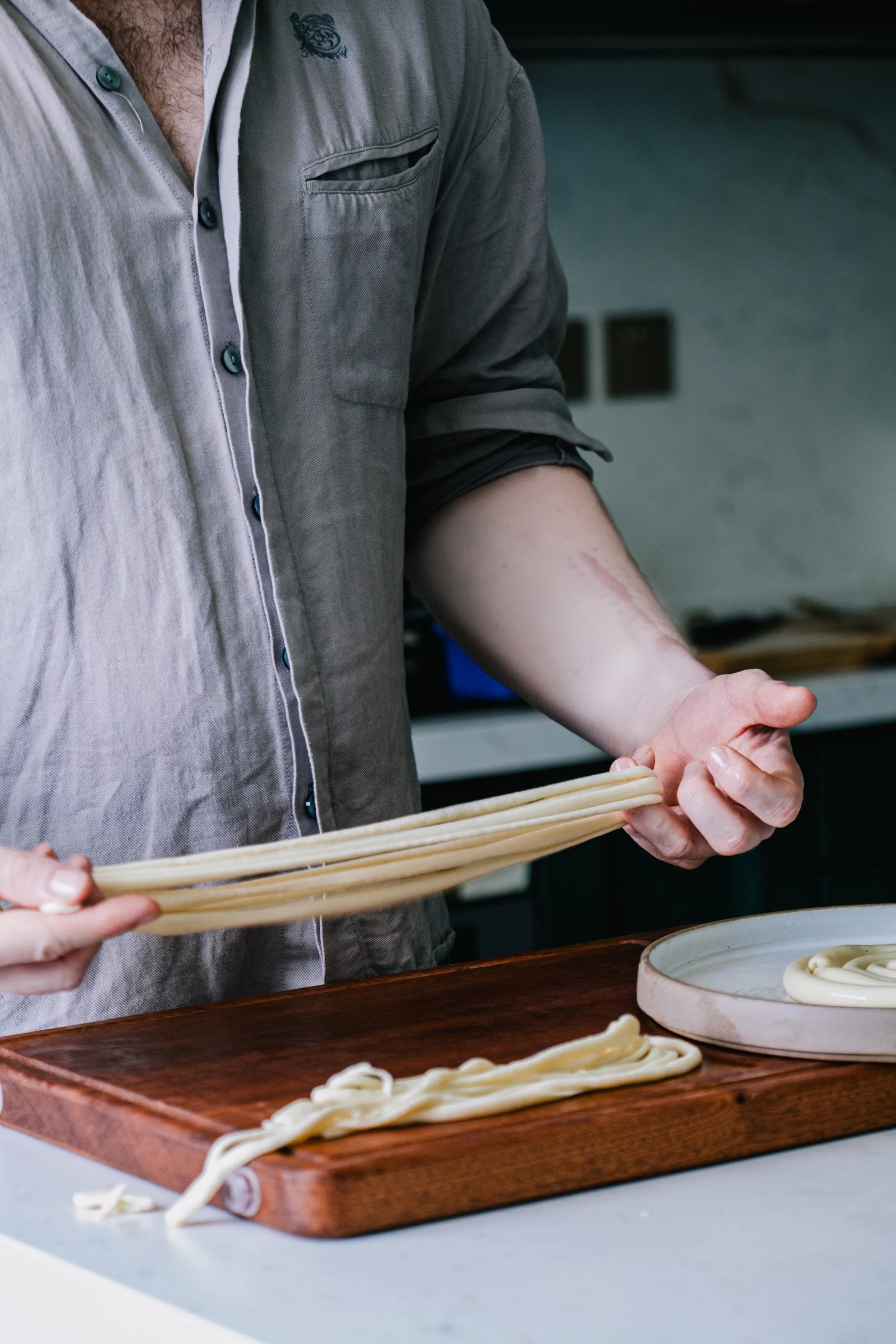
8. Don’t worry if some break as you pull them, that takes practice.